October 22: On This Day in World History … briefly
Food colourings are tested for safety by various bodies around the world and sometimes different bodies have different views on food colour safety.

1976: Red dye no. 4 is banned after causing tumours in dogs
Scarlet GN, or CI Food Red 1, Ponceau SX, FD&C Red No. 4, or CI 14700 is a red azo dye once used as a food dye. As a food additive, it has the E number E125. It usually used as a disodium salt.
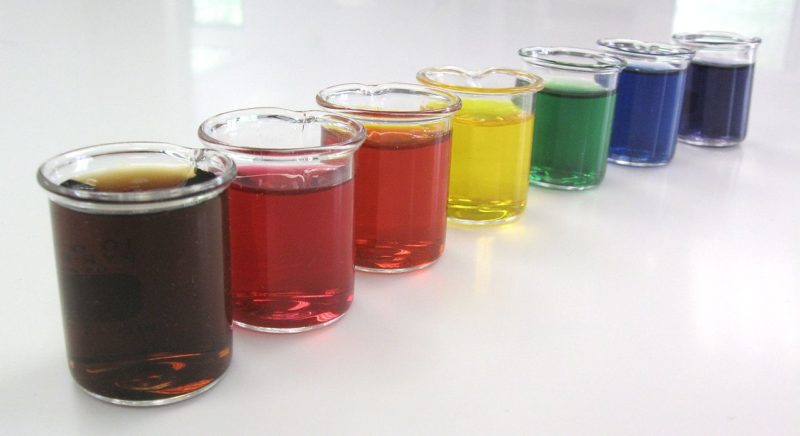
Azo dyes are organic compounds widely used to treat textiles, leather articles, and some foods. Chemically related to azo dyes are azo pigments, which are insoluble in water and other solvents.
In the United States, it is not permitted for use in food or ingested drugs and may only be used in externally applied drugs and cosmetics. An exception was added in 1965 to allow the colouring of maraschino cherries, which then were considered mainly decorative and not a foodstuff. This exception was repealed in 1976 due to mounting evidence over its safety concerns. In the European Union, it is not permitted as a food additive.
Most notable historic snippets or facts extracted from the book ‘On This Day’ first published in 1992 by Octopus Publishing Group Ltd, London, as well as additional supplementary information extracted from Wikipedia.
HAVE YOUR SAY
Like the South Coast Herald’s Facebook page, follow us on Twitter and Instagram
To receive our FREE email newsletter, click HERE