October 24: On This Day in World History … briefly
Sometimes known by the nickname 'Scarface', Al Capone was an American gangster and businessman who attained notoriety during the Prohibition era as the co-founder and boss of the Chicago Outfit. His seven-year reign as crime boss ended when he went to prison at age 33.
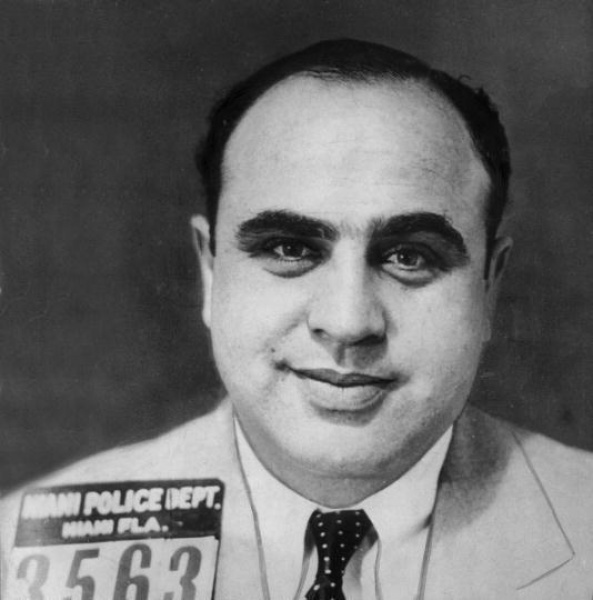
1931: Notorious gangster Capone cornered on tax charge
The American legal system proved on October 23, 1931, that there is more than one way of skinning a cat – the cat in question being notorious Chicago gangster Al Capone. The 32-year old New Yorker dominated organised crime for seven years. The famous St Valentine’s Day massacre in 1929 was one of many inter-mob killings masterminded by Capone. The law finally managed to make a charge against Capone stick. He received an 11-year sentence and an $80 000 (£43 000) fine for tax evasion.
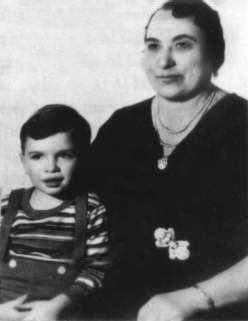
Capone was born in New York City in 1899 to Italian immigrant parents. He joined the Five Points Gang as a teenager, and became a bouncer in organized crime premises such as brothels. In his early twenties, he moved to Chicago and became a bodyguard and trusted factotum for Johnny Torrio, head of a criminal syndicate that illegally supplied alcohol—the forerunner of the Outfit—and was politically protected through the Unione Siciliana. A conflict with the North Side Gang was instrumental in Capone’s rise and fall. Torrio went into retirement after North Side gunmen almost killed him, handing control to Capone. Capone expanded the bootlegging business through increasingly violent means, but his mutually profitable relationships with mayor William Hale Thompson and the city’s police meant he seemed safe from law enforcement.
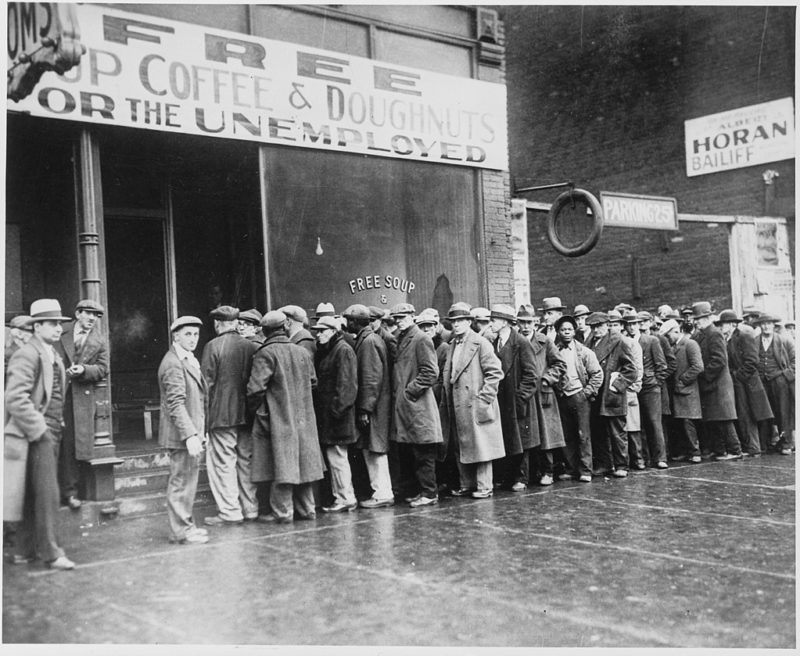
Capone apparently reveled in attention, such as the cheers from spectators when he appeared at ball games. He made donations to various charities and was viewed by many as ‘modern-day Robin Hood’. However, the Saint Valentine’s Day Massacre, in which seven gang rivals were murdered in broad daylight, damaged Chicago’s and Capone’s image, leading influential citizens to demand government action and newspapers to dub Capone ‘Public Enemy No. 1’.

The federal authorities became intent on jailing Capone and prosecuted him in 1931 for tax evasion. During a highly publicised case, the judge admitted as evidence Capone’s admissions of his income and unpaid taxes during prior (and ultimately abortive) negotiations to pay the government taxes he owed. He was convicted and sentenced to 11 years in federal prison. After conviction, he replaced his defense team with experts in tax law, and his grounds for appeal were strengthened by a Supreme Court ruling, but his appeal ultimately failed.
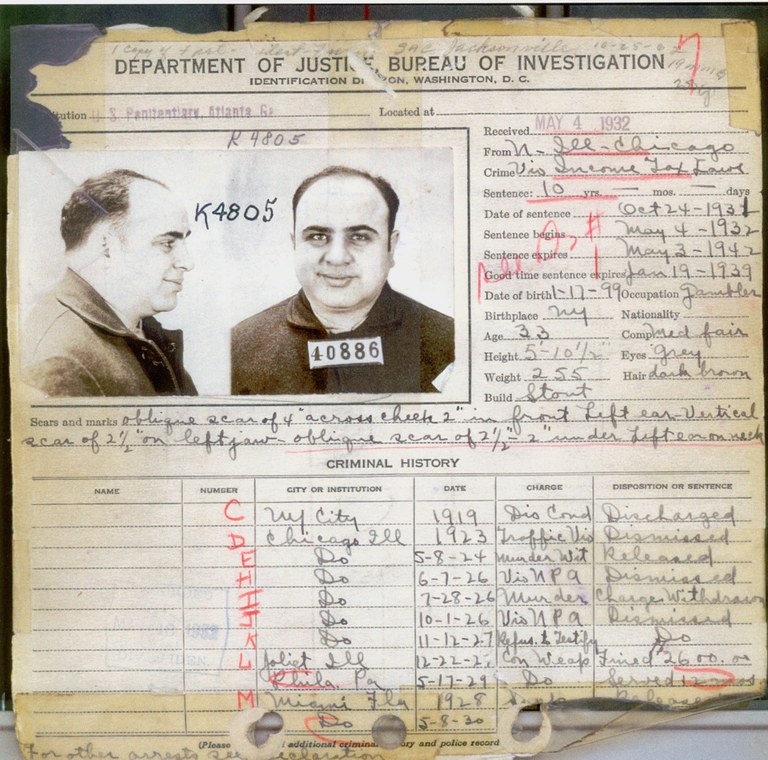
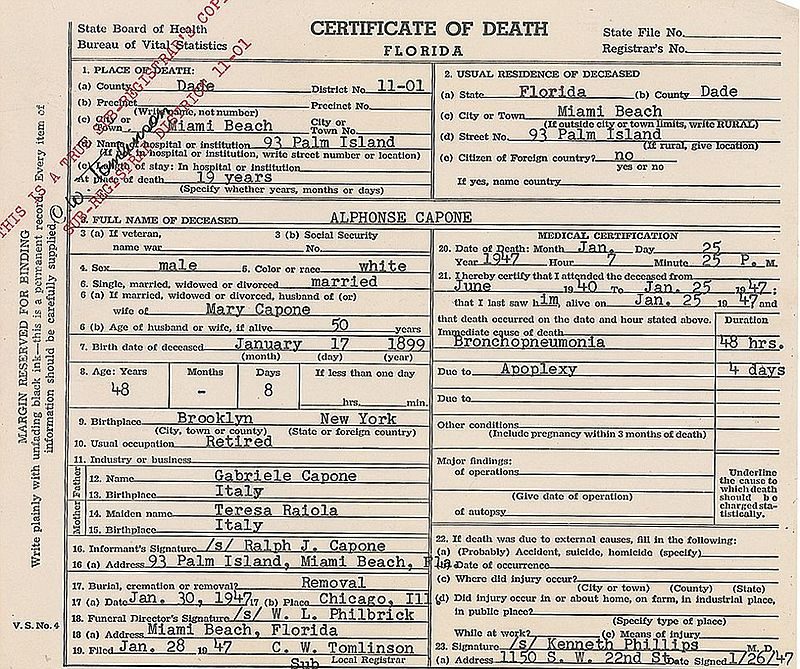
Capone showed signs of neurosyphilis (refers to infection of the central nervous system in a patient with syphilis and can occur at any stage. The majority of neurosyphilis cases have been reported in HIV-infected patients. Meningitis is the most common neurological presentation in early syphilis. Tertiary syphilis symptoms are exclusively neurosyphilis, though neurosyphilis may occur at any stage of infection.) early in his sentence and became increasingly debilitated before being released after almost eight years of incarceration. On January 25, 1947, Capone died of cardiac arrest after suffering a stroke.
Most notable historic snippets or facts extracted from the book ‘On This Day’ first published in 1992 by Octopus Publishing Group Ltd, London, as well as additional supplementary information extracted from Wikipedia.
HAVE YOUR SAY
Like the South Coast Herald’s Facebook page, follow us on Twitter and Instagram
To receive our FREE email newsletter, click HERE