October 26: On This Day in World History … briefly
Martha J King was in Bauer's butcher shop located on Fremont Street. She testified that when the Earp party passed by her, one of the Earps on the outside of the group looked across and said to Doc Holliday nearest the store, "... let them have it!" to which Holliday replied "All right."
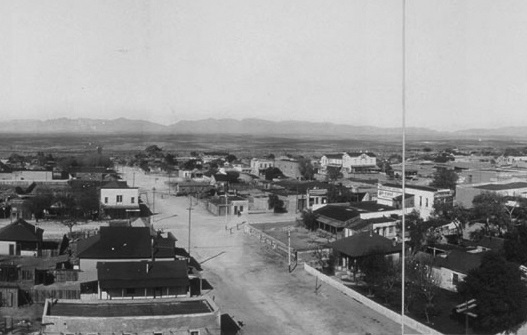
1881: Gunfight at OK Corral
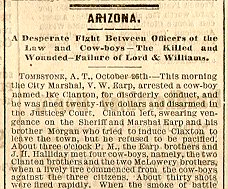
The Gunfight at OK Corral was a 30-second shootout between lawmen and members of a loosely organized group of outlaws called the cowboys that took place at about 3pm on Wednesday, October 26, 1881, in Tombstone, Arizona Territory. It is generally regarded as the most famous shootouts in the history of the American Wild West.
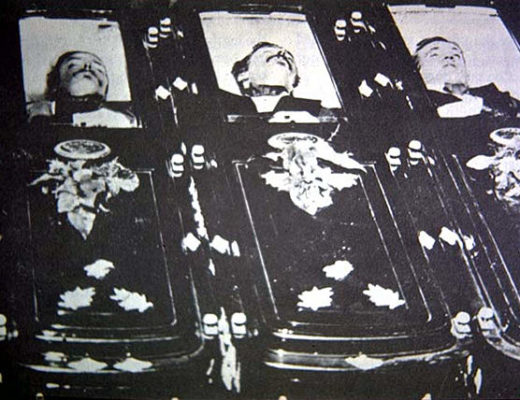
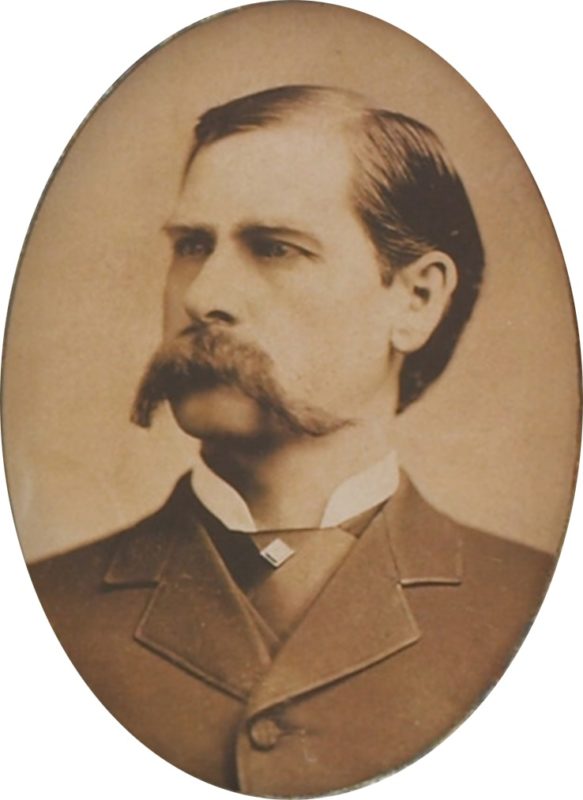
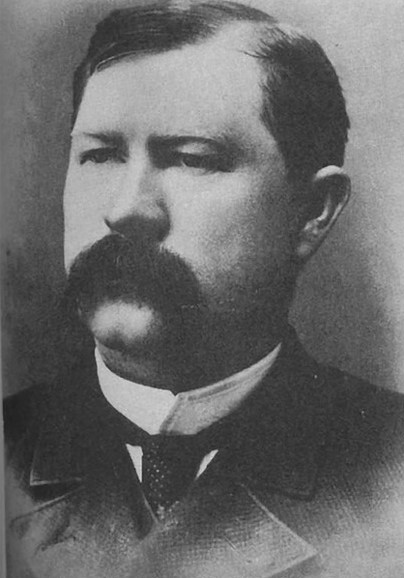
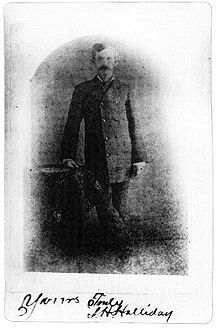
The gunfight was the result of a long-simmering feud, with Cowboys Billy Claiborne, Ike and Billy Clanton, and Tom and Frank McLaury on one side and town Marshal Virgil Earp, Special Policeman Morgan Earp, Special Policeman Wyatt Earp, and temporary policeman Doc Holliday on the other side. Billy Clanton and both McLaury brothers were killed. Ike Clanton, Billy Claiborne, and Wes Fuller ran from the fight. Virgil, Morgan, and Doc Holliday were wounded, but Wyatt Earp was unharmed. Wyatt is often erroneously regarded as the central figure in the shootout, although his brother Virgil was Tombstone city marshal and deputy US marshal that day and had far more experience as a sheriff, constable, marshal, and soldier in combat.
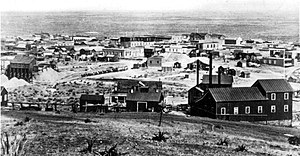
The shootout has come to represent a period of the American Old West when the frontier was virtually an open range for outlaws, largely unopposed by law enforcement officers who were spread thin over vast territories. It was not well known to the American public until 1931, when Stuart Lake published the initially well-received biography ‘Wyatt Earp: Frontier Marshal’ two years after Earp’s death.
The book was the basis for the 1946 film ‘My Darling Clementine’, directed by John Ford, and the 1957 film ‘Gunfight at the OK Corral’, after which the shootout became known by that name. Since then, the conflict has been portrayed with varying degrees of accuracy in numerous Western films and books, and has become an archetype for much of the popular imagery associated with the Old West.
Despite its name, the gunfight did not take place within or next to the OK Corral, which fronted Allen Street and had a rear entrance lined with horse stalls on Fremont Street. The shootout actually took place in a narrow lot on the side of CS Fly’s Photographic Studio on Fremont Street, six doors west of the OK Corral’s rear entrance. Some members of the two opposing parties were initially only about 6 feet (1.8m) apart. About 30 shots were fired in 30 seconds. Ike Clanton subsequently filed murder charges against the Earps and Doc Holliday. After a 30-day preliminary hearing and a brief stint in jail, the lawmen were shown to have acted within the law.
The gunfight was not the end of the conflict. On December 28, 1881, Virgil Earp was ambushed and maimed in a murder attempt by the Cowboys. On March 18, 1882, a Cowboy fired from a dark alley through the glass door of a Campbell & Hatch’s saloon and billiard parlor, killing Morgan Earp.
The suspects in both incidents furnished alibis supplied by other Cowboys and were not indicted. Wyatt Earp, newly appointed as Deputy US Marshal in Cochise County, then took matters into his own hands in a personal vendetta. He was pursued by county sheriff Johnny Behan, who had received a warrant from Tucson for Wyatt’s shooting of Frank Stilwell.
Most notable historic snippets or facts extracted from the book ‘On This Day’ first published in 1992 by Octopus Publishing Group Ltd, London, as well as additional supplementary information extracted from Wikipedia.
HAVE YOUR SAY
Like the South Coast Herald’s Facebook page, follow us on Twitter and Instagram
To receive our FREE email newsletter, click HERE