November 13: On This Day in World History … briefly
The volcano continues to pose a threat to the nearby towns and villages, and it is estimated that up to 500 000 people could be at risk from lahars from future eruptions.
1985: Thousands feared dead in Colombia
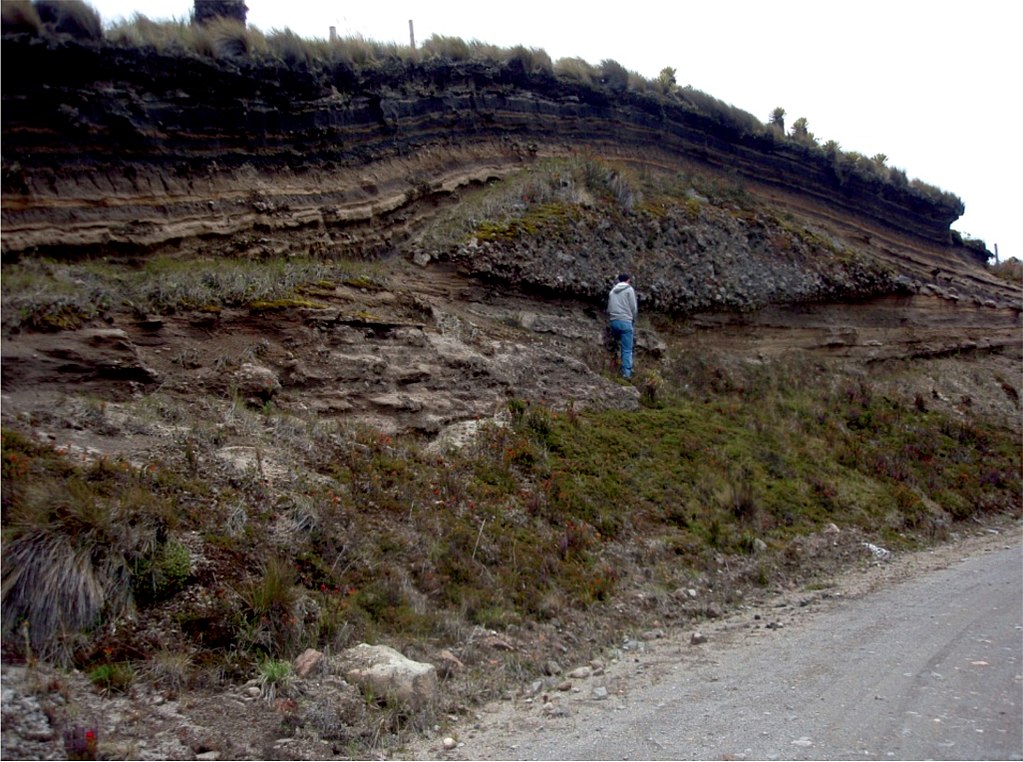
Nevado del Ruiz, the 17 717ft (5 400m) Colombian volcano dormant since 1845, erupted in a ferocious explosion on November 13, 1985. Melted snow swept down the mountain in huge torrents, creating a mud avalanche which completely buried the town of Armero huddled below. The volcano usually generates Vulcanian to Plinian eruptions, which produce swift-moving currents of hot gas and rock called pyroclastic flows. These eruptions often cause massive lahars (mud and debris flows), which pose a threat to human life and the environment. The impact of such an eruption is increased as the hot gas and lava melt the mountain’s snowcap, adding large quantities of water to the flow.
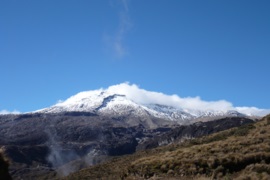
There were very few survivors from the town’s 25 000 population. A 28-inch (11cm) layer of ash and rock covered a 70-square mile (181 square km) area around the volcano, 80 miles (128km) west of Bogota.
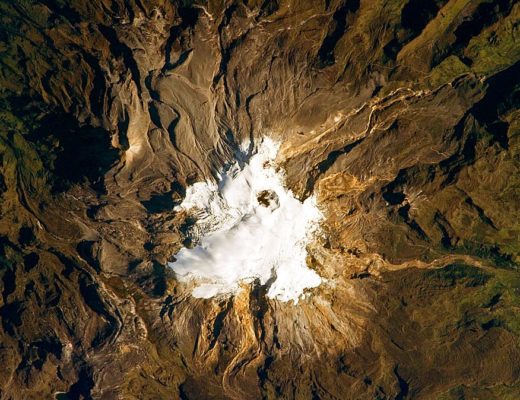
Expert warnings of an imminent eruption were largely ignored and there was no attempt to evacuate the area, which had become a sea of mud in which thousands of people were entombed forever.
Most notable historic snippets or facts extracted from the book ‘On This Day’ first published in 1992 by Octopus Publishing Group Ltd, London, as well as additional supplementary information extracted from Wikipedia.
HAVE YOUR SAY
Like the South Coast Herald’s Facebook page, follow us on Twitter and Instagram
To receive our FREE email newsletter, click HERE