November 14: On This Day in World History … briefly
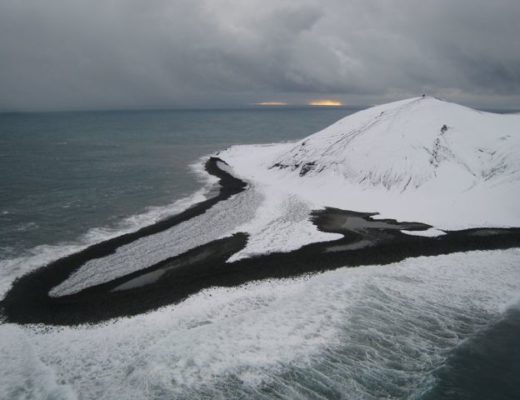
was formed in a volcanic eruption which began 130 metres (430 feet) below sea level, and reached the surface on 14 November 1963. The eruption lasted until 5 June 1967, when the island reached its maximum size of 2.7 km2.
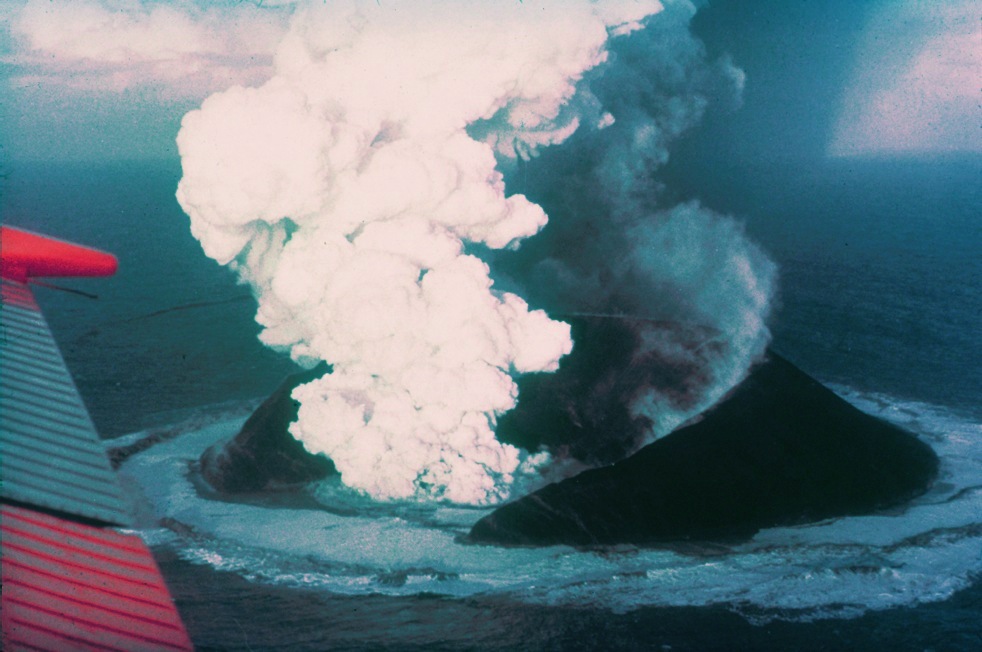
1963: Iceland ‘grows’ a new island
Iceland is constructed of volcanic rock and there is volcanic activity around her shores as well. As a result, an entirely new island appeared about 5 miles (8km) off her southern coastline on November 14, 1963. The island, which was named Surtsey, was 30ft (10m) high and was growing, throwing ash thousands of feet into the air.
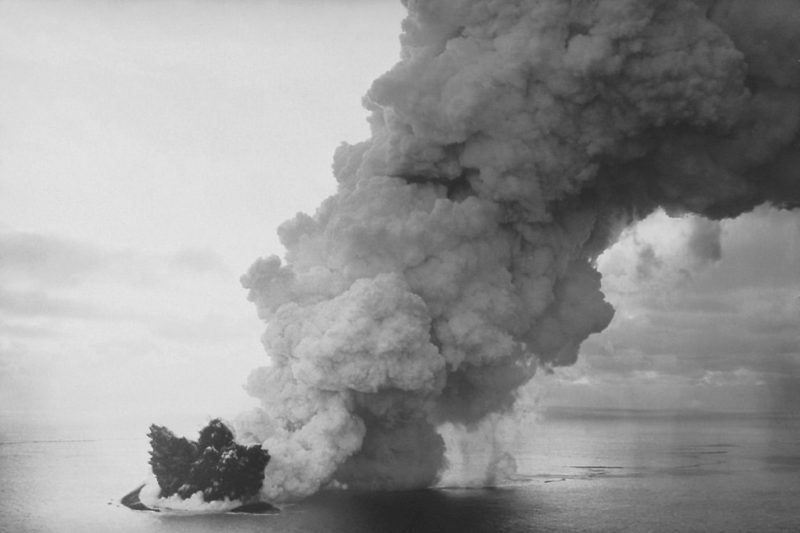
Sightseers queued up in Reykjavik for flights over the spectacular new island, which was not hard to find – a plume of smoke 24 000 ft (7 800m) high marked the spot.
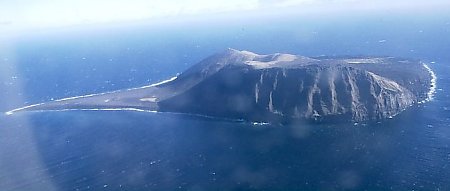
Vulcanologists warned of the dangers of getting too close, however, since the rapid cooling effect of seawater on red-hot lava created a much greater explosive force than that of land-based volcanoes.
A Japanese research vessel which was directly above an ocean-floor eruption in 1952 was blown to bits.
Most notable historic snippets or facts extracted from the book ‘On This Day’ first published in 1992 by Octopus Publishing Group Ltd, London, as well as additional supplementary information extracted from Wikipedia.
HAVE YOUR SAY
Like the South Coast Herald’s Facebook page, follow us on Twitter and Instagram
To receive our FREE email newsletter, click HERE