January 11: On This Day in World History … briefly
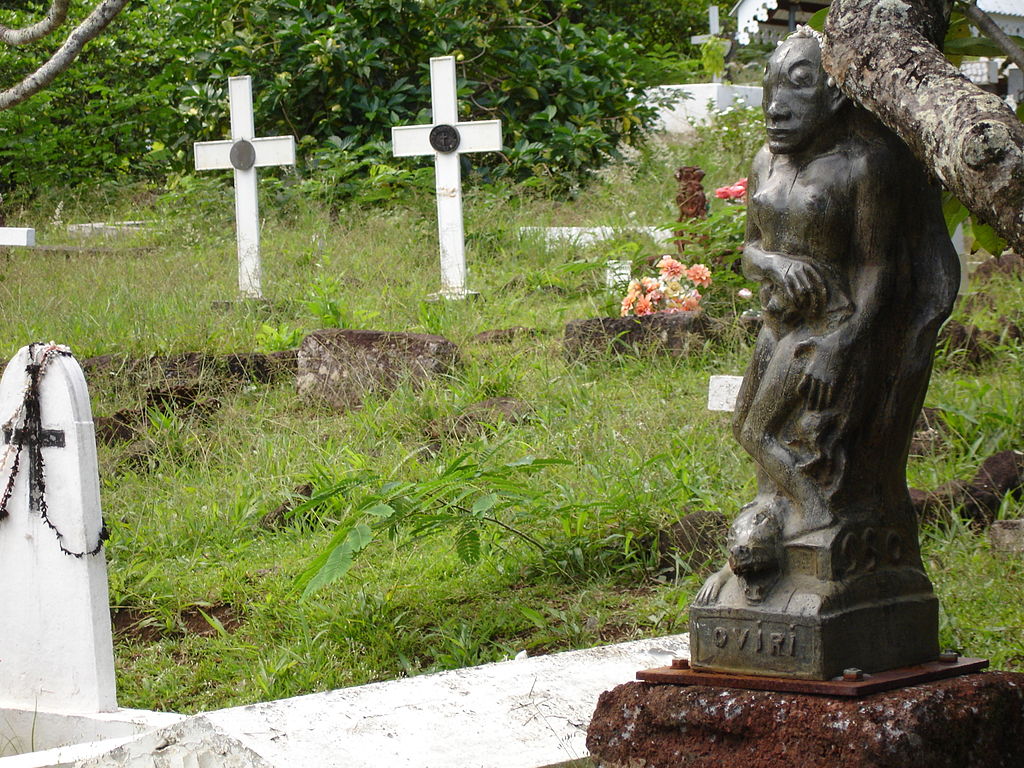
In recent years, Gauguin has become a controversial figure at art galleries due to criticism of his voyeuristic artwork created in French Polynesia and his relationships with underage girls.
1892: 13-Year-old bride for painter Gauguin
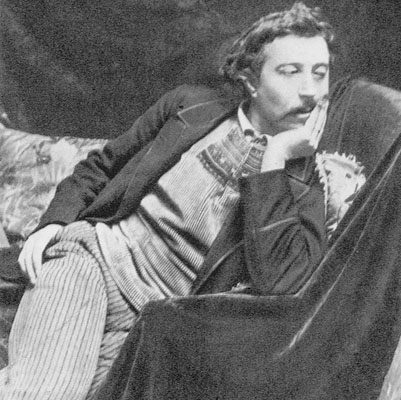
French Impressionist painter Paul Gauguin, 44 at the time, marries a 13-year-old Tahitian girl. Gauguin, who abandoned his Danish wife and four children in Copenhagen eight years before, arrived in Tahiti in 1891 and started a series of paintings of the islanders and their religious myths. Gauguin later wrote a travelogue (first published 1901) titled Noa Noa, originally conceived as commentary on his paintings and describing his experiences in Tahiti. Modern critics have suggested that the contents of the book were in part fantasised and plagiarised. In it he revealed that he had at this time taken a 13-year-old girl as native wife or vahine (the Tahitian word for woman), a marriage contracted in the course of a single afternoon. This was Teha’amana, called Tehura in the travelogue, who was pregnant by him by the end of summer 1892.
The painter was riding in the hills when he was invited to eat with a group of villagers – and was offered a wife! Finding the girl in question charming, Gauguin asked “Would you like to live always in my hut?” “Yes.” she answered and the couple then rode off together and by the time they reached his home Gauguin had fallen in love with her. In accordance with local traditions, if the girl is not happy after eight days, she would leave the French painter.
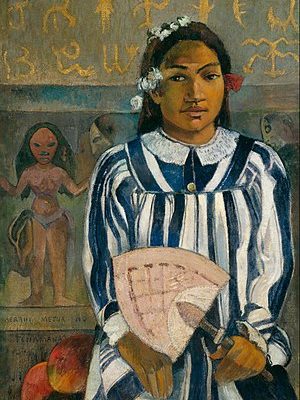
Teha’amana was the subject of several of Gauguin’s paintings, including Merahi metua no Tehamana and the celebrated Spirit of the Dead Watching, as well as a notable woodcarving Tehura now in the Musée d’Orsay. By the end of July 1893, Gauguin had decided to leave Tahiti and he would never see Teha’amana or her child again even after returning to the island several years later.
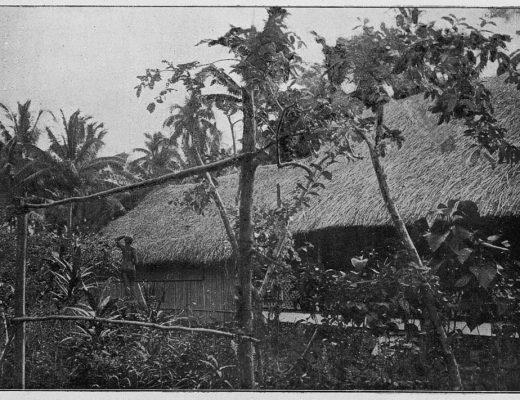
At the beginning of 1903, Gauguin engaged in a campaign designed to expose the incompetence of the island’s gendarmes, in particular Jean-Paul Claverie, for taking the side of the natives directly in a case involving the alleged drunkenness of a group of them. Claverie, however, escaped censure. At the beginning of February, Gauguin wrote to the administrator, François Picquenot, alleging corruption by one of Claverie’s subordinates.
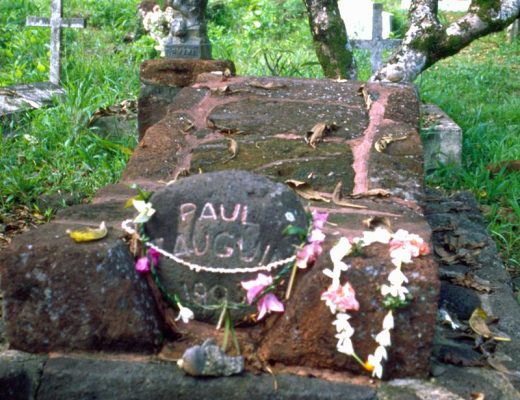
Picquenot investigated the allegations but could not substantiate them. Claverie responded by filing a charge of libeling a gendarme against Gauguin, who was subsequently fined 500 francs and sentenced to three months’ imprisonment by the local magistrate on March 27, 1903. Gauguin immediately filed an appeal in Papeete and set about raising the funds to travel to Papeete to hear his appeal. At this time Gauguin was very weak and in great pain, and resorted once again to using morphine. He died suddenly on the morning of May 8, 1903
Most notable historic snippets or facts extracted from the book ‘On This Day’ first published in 1992 by Octopus Publishing Group Ltd, London, as well as additional supplementary information extracted from Wikipedia.
HAVE YOUR SAY
Like the South Coast Herald’s Facebook page, follow us on Twitter and Instagram
To receive our FREE email newsletter, click HERE