
Women at the centre of peace: Peace dialogue held at Karridene
Women from civil society, academia, and community peace-building networks came together for a provincial dialogue on peace-building.
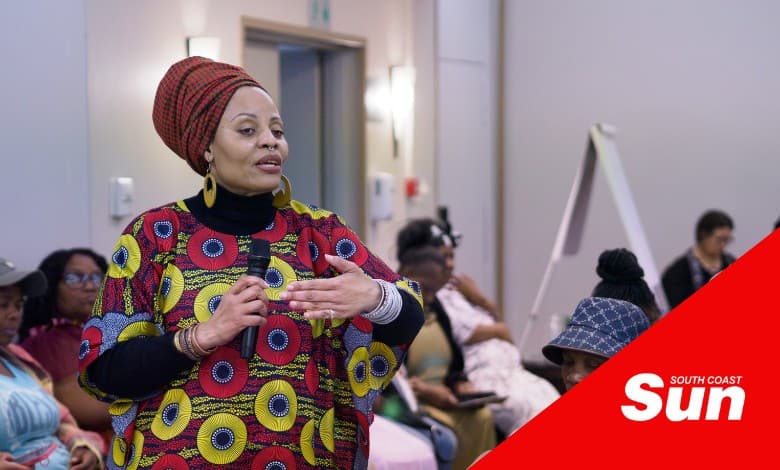
Peace-building has never looked as united when over 100 women drawn from faith-based organisations, civil society, traditional authorities, academia and community peace-building networks came together on August 7 at Protea Karridene Hotel for the KZN Provincial Dialogue, hosted by the Institute for Justice and Reconciliation (IJR), in partnership with SA Women in Dialogue (SAWID), and supported by the Embassy of Ireland in SA.
Also read: Amanzimtoti Library roof restoration to begin this month
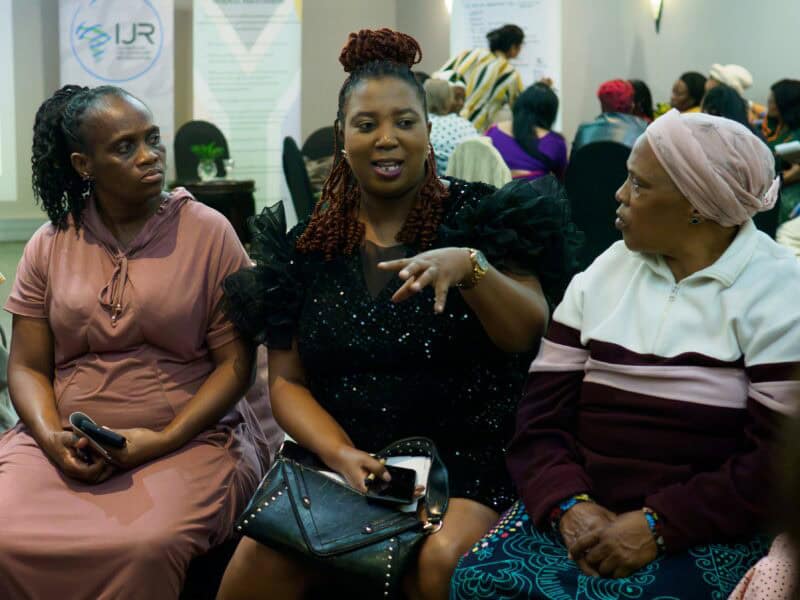
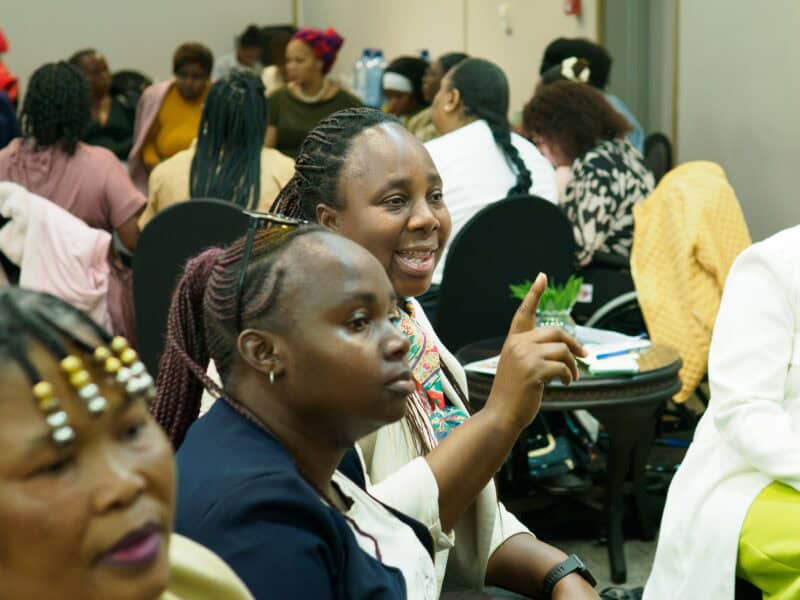
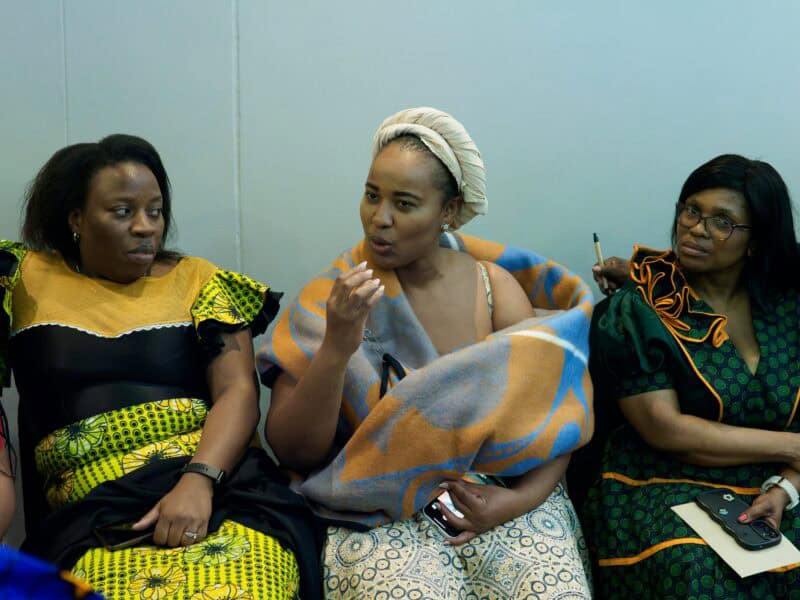
SAWID KZN co-ordinator, Nokuthula Makhanya-Sibiya, said the theme of the dialogue was peace-building, centering around building an infrastructure for peace. It forms part of the Ireland-funded project, “Promoting the Women and Youth Peace and Security Agendas”.
This was the first in a series of dialogues which will span the country over the next few months. The dialogues are part of the NAP (National Action Plan) which contains peace strategies for the next five years, the last one having run its course up to 2025.
“This dialogue forms part of a broader effort to strengthen community-based peace infrastructure and advance the localisation of South Africa’s national action plan on women, peace and security, anchored in United Nations Security Council Resolution 1325. It builds on IJR’s continuum of work, which recognises that women and youth play a critical role in community-level conflict prevention, social cohesion, and peacebuilding,” explained Makhanya-Sibiya.
Women in attendance took to the inclusive platform with the shared goal of contributing toward strengthening peace infrastructure in KZN. Each bringing their own schools of thought, culture, education and insights, attendees were split into large groups, where they collaborated as teams to tackle barriers to peace-building, solutions and historical contexts surrounding the current landscape across the province.
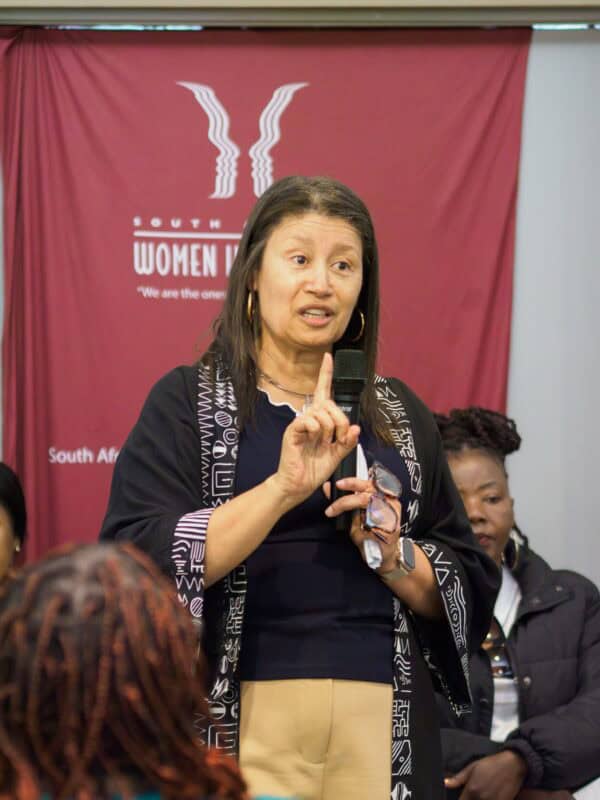
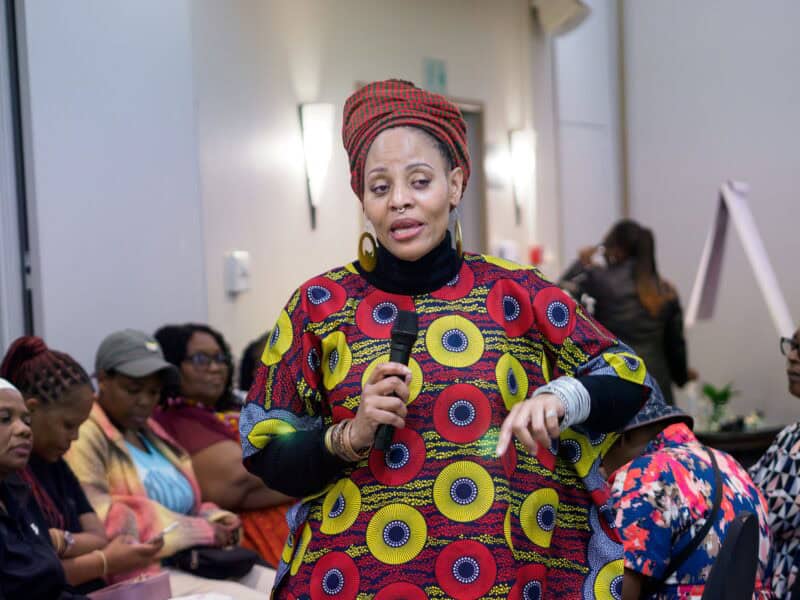
Women as the centre that holds
“A key outcome of the dialogue was a recognition of the critical role women continue to play as the centre that holds families and communities together, particularly during periods of social, economic and political uncertainty. However, participants emphasised that women cannot continue to carry the burden of holding families and communities together while neglecting their own well-being,” said Makhanya-Sibiya.
Peace for others must begin with peace for women themselves
“The women called for greater recognition of women’s emotional, social, economic and physical well-being as an essential foundation for sustainable peace. In war, as in peace, it is women that are most impacted. Women need spaces in which they can heal, speak freely, support one another and exercise agency over decisions that affect their lives,” said Makhanya-Sibiya.
Culture, tradition and religion: confronting what is weaponised against women
The dialogue identified culture, tradition and religion as critical areas requiring deeper and more deliberate engagement in the promotion of peace. While these institutions and belief systems can provide identity, belonging, values and social cohesion, participants also highlighted the ways in which they can sometimes be interpreted or weaponised against women, reinforcing patriarchy and inequality, and limiting women’s agency while perpetuating harmful practices.
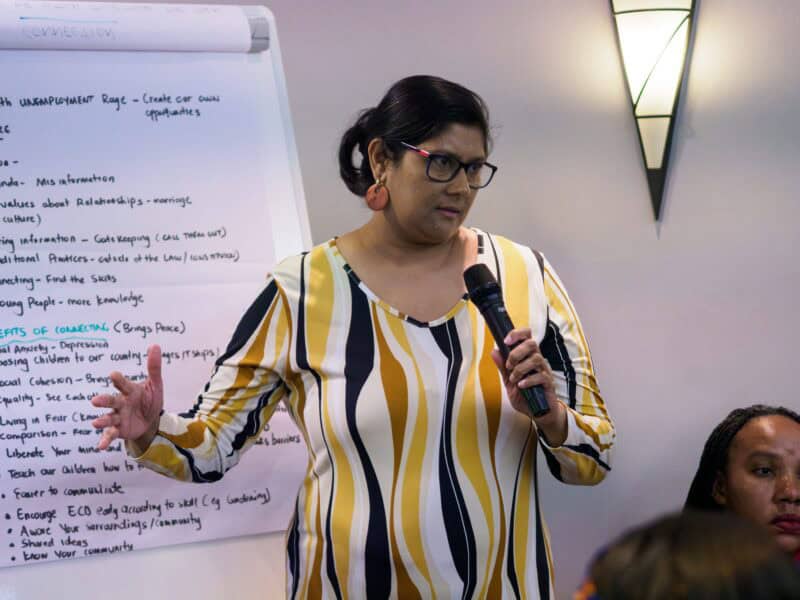
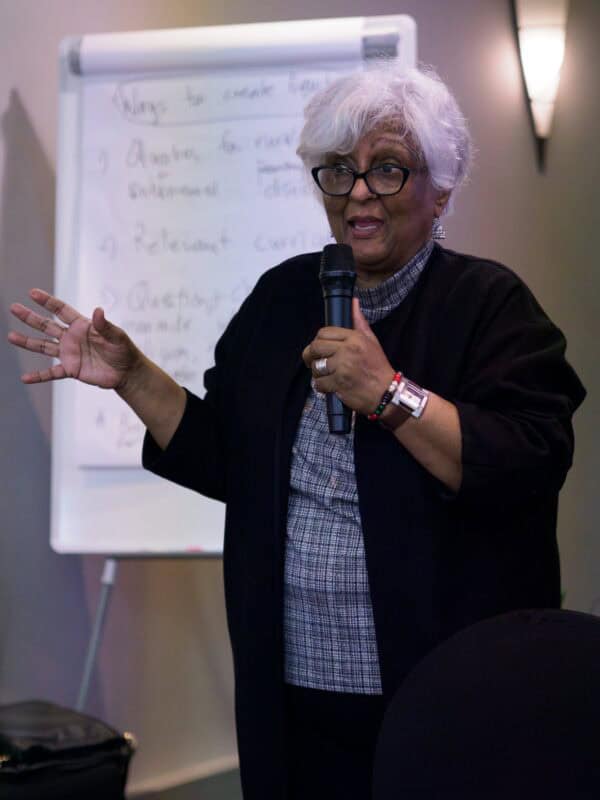
The dialogue therefore called for constructive engagement with cultural, traditional and religious institutions to ensure that these powerful social forces become part of the solution rather than being used to undermine women’s rights, dignity and safety.
Poverty, natural resources and the changing climate
“Participants further recognised that poverty is a significant driver of social disease and the absence of peace. They emphasised that peace cannot be separated from the economic and environmental conditions in which people live. Climate change and increasingly frequent or severe natural disasters have direct consequences for people’s access to and use of natural resources and land. For communities whose livelihoods and sustenance depend on these resources, environmental pressures can deepen poverty, increase competition over resources and undermine household and community stability,” said Makhanya-Sibiya.
The dialogue highlighted the need to understand these factors as important power bases for both sustenance and poverty elimination.
Breaking the divide
“The participation of women across generations was central to the dialogue. The gathering created an important space for younger and older women to share knowledge, experiences and perspectives, while recognising that peacebuilding requires both the wisdom of experience and the energy and vision of younger generations. The dialogue reaffirmed that women are peacebuilders, leaders, decision-makers and agents of social transformation, not simply victims or recipients of peace initiatives. Participants called for solidarity between young and old to develop practical responses to the factors that undermine peace,” said Makhanya-Sibiya.
Areas of discussion
- Women’s participation in peacebuilding
- Conflict prevention and community safety
- Social cohesion and reconciliation
- Localisation of the Women, Peace and Security (WPS) Agenda
- Peace infrastructure and community peace mechanisms
- Women’s priorities within the National Dialogue process
Key messages from the dialogue
The peace dialogue highlighted several critical messages including:
- Women must remain at the center of peacebuilding, but women must also have peace and safety in their own lives.
- The well-being of women is foundational to family and community peace. Women cannot be expected to carry the burden of social cohesion without addressing the challenges they themselves face.
- Culture, tradition and religion must be engaged as part of peacebuilding, particularly where interpretations or practices are used to undermine women’s rights and agency.
- Poverty is a threat to peace. Economic insecurity and inequality must therefore be addressed as part of efforts to build sustainable peace.
- Climate change and natural disasters are peace and development issues. Their impact on land, natural resources, livelihoods and household security must be recognised.
- Access to land and natural resources is fundamentally connected to power, sustenance and poverty elimination, and women must have a meaningful voice in decisions concerning these resources.
- Intergenerational dialogue matters. Women of different generations must continue creating spaces to share knowledge, challenge harmful norms and collectively shape solutions.
For more South Coast Sun news, follow us on Facebook, Twitter and Instagram. You can also check out our videos on our YouTube channel or follow us on TikTok.
Subscribe to our free weekly newsletter and get news delivered straight to your inbox.

Do you have more information pertaining to this story? Feel free to let us know by commenting on our Facebook page or you can contact our newsroom on 031 903 2341 and speak to a journalist.