
Elder abuse awareness day shines spotlight on rights and neglect
Residents, activists and officials gather in Moffatview to raise concerns over elder abuse, retirement home conditions and caregiver accountability.
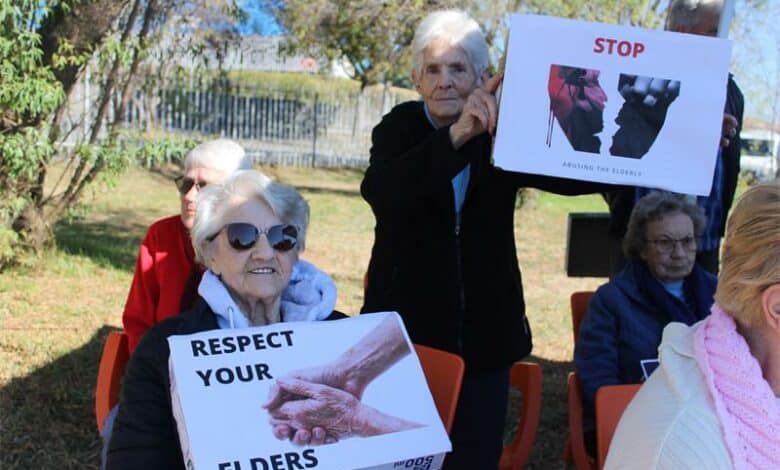
Community members gathered opposite Moffatview SAPS on June 15 to mark International Elder Abuse Awareness Day, an event aimed at educating older persons about their rights, raising awareness about abuse and neglect, and encouraging communities to stand up against all forms of mistreatment of the elderly.
Hosted by the Directorate Enforcing Older Person Rights, the event brought together older residents, community leaders, government representatives and activists who spoke about the challenges facing older persons and the need to protect their dignity and well-being.
Concerns over the treatment of older persons in retirement villages
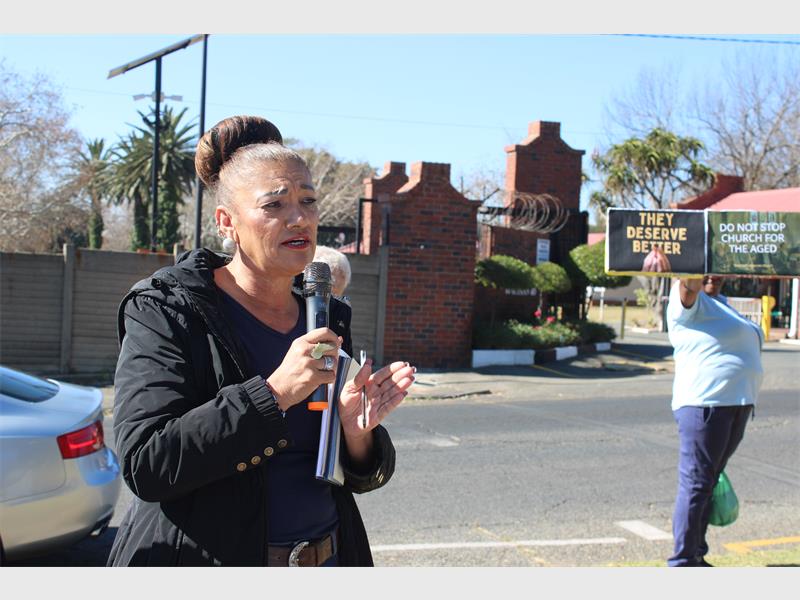
Ward 57 Clr Faaeza Chame said Johannesburg South has a large number of retirement villages and old age homes, but many older persons continue to face neglect and abuse.
Chame said Waterloo is home to several facilities for the elderly, noting that there are about seven in total, including two private and five government-run homes. He prefers to refer to them as retirement villages rather than old-age homes.
He expressed concern that elderly residents are often neglected and, in some cases, abused. According to him, many are left alone in their units for long periods and do not receive adequate government support. He also added that some residents are seldom visited by their families.
“People must speak up because if they don’t come to us, where else are they going to go and complain? If they have any issues, they need to come to the police station. If they are being abused, that’s why the police station is there. You can speak to your ward councillor, you can speak to the church people that you can trust. Our elderly people believe in God. Church comes first with them. If you are preventing them from speaking to church people, that becomes a problem to me,” she added.
The councillor further expressed concern that some retirement facilities allegedly restrict access to residents during election periods, making it difficult for older persons to engage with political representatives and exercise their democratic rights.
“People have a right to vote no matter who they are. But now they prevent political parties from going inside retirement villages to register people. How are elderly people going to speak up for their rights if political parties are not allowed to speak to them?” she asked.
Allegations regarding Queenshaven Old Age Home
Directorate Enforcing Older Person Rights chief executive officer Hennie Els said the organisation had received complaints regarding conditions at Queenshaven Old Age Home.
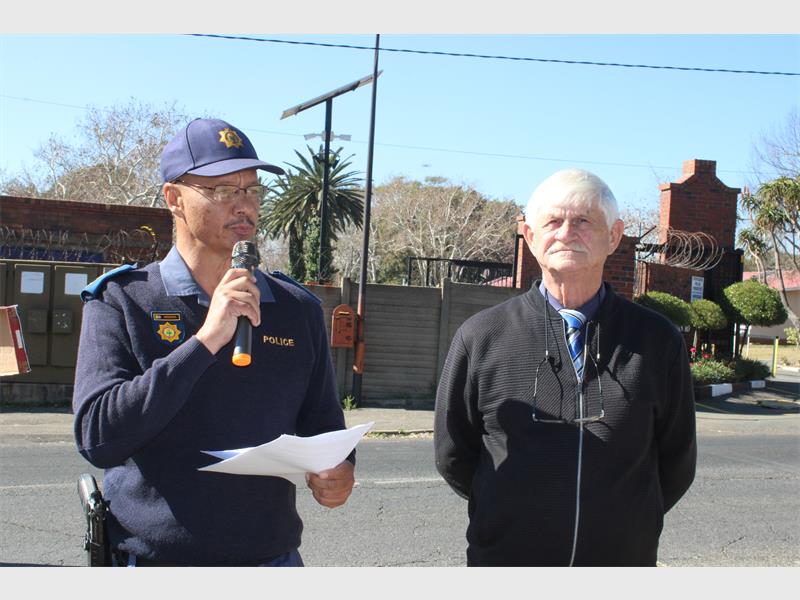
“Today we are here to tell older people about their rights, that they have certain rights and also that it is criminal to abuse them. I feel that our elderly people are really neglected. They are abused to the highest. Sometimes they are just left in their retirement homes in their units. In most cases, they don’t get government assistance, and their children don’t come and visit them. They even refused to attend today’s function to be taught about their rights as older persons. We want to make sure that older persons know that they do have rights and they can exercise their rights,” he said.
Grandmother shares emotional story of abuse
One of the most emotional testimonies came from Caroline Hendricks, who described the challenges she faces while caring for her three grandchildren.
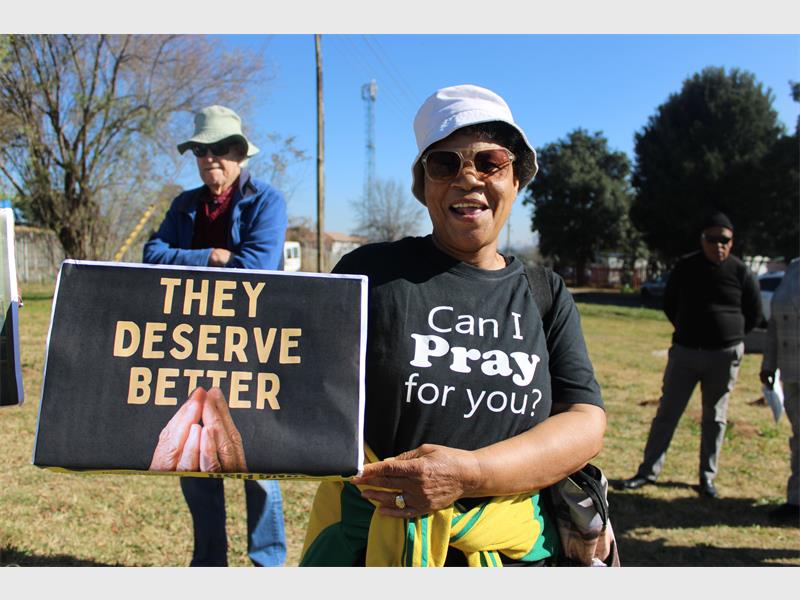
Hendricks said she has been raising her daughter’s children for years while their mother struggles with alcohol abuse.
“Anytime she can come and swear at me in front of the children and in front of the community when she’s drunk. I’ve been looking after those kids for years. I pay for transport for the twins to go to school, and I pay for the other child as well. How much is left after that? She swore at me very, very badly. I am a person who prays for people, and I always prayed for her, but now I just took my prayers back from her.
“I can’t even pray for her anymore because what she did was over the limit. There is no protection for us. I went to court to take out a protection order, but every time you must go back to court. I don’t want to keep coming up and down,” she said.
Understanding elder abuse
Hennie used the event to educate attendees about elder abuse and the legal protections available to older persons.
According to the Older Persons Act, 2006, all allegations of elder abuse must be investigated.
The Act defines abuse as any conduct or failure to act within a relationship of trust that causes harm, distress or the likelihood of harm to an older person.
Forms of abuse include physical abuse, sexual abuse, psychological abuse and economic abuse.
Psychological abuse includes repeated insults, humiliation, threats and invasion of an older person’s privacy and security.
Economic abuse includes depriving older persons of money or resources they are entitled to, as well as misusing or exploiting their finances, property or assets.
Rights of older persons
Gauteng Legislature Social Development Committee member Refiloe Nt’Sekhe highlighted the rights of older persons, including the right to independence, participation, care, self-fulfilment and dignity.
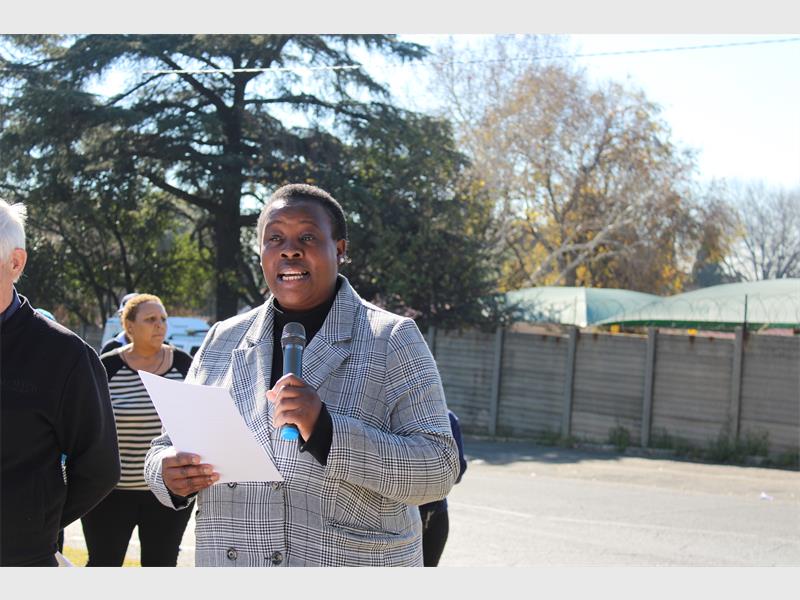
Older persons should have access to adequate food, shelter, healthcare and community support, and should be able to remain integrated in society and participate in decisions that affect their well-being.
They also have the right to social and legal services, spiritual and recreational opportunities, and humane care in residential facilities.
Importantly, older persons have the right to live in dignity and security and to be free from exploitation, neglect, discrimination and all forms of abuse.
Call for caregiver recognition and vetting
The event also highlighted concerns regarding caregiver regulation and safeguarding systems in South Africa.
It was revealed that 1 247 Form 7 caregiver vetting applications had been submitted in Gauteng to the National Department of Social Development, yet no formal clearance certificates had been issued.
Refiloe warned that safeguarding systems cannot function effectively if vetting processes are not completed and accountability measures are not enforced.
A proposed Private Members Bill on Caregivers Recognition and Vetting has been developed to address these concerns.
The proposed legislation seeks to formally recognise caregivers as an essential profession, establish a National Caregiver Registry, introduce standardised training and accreditation requirements, create a national vetting system, require criminal background checks and establish a national database of vetted caregivers.
Refiloe Nt’Sekhe reflected on the role older persons play in shaping society and preserving culture and family values.
“When we speak about older persons, we are speaking about the people who raised us, guided us, taught us and helped shape our communities. We owe it to older persons to do better. We owe it to caregivers to do better. And we owe it to families who place their trust in care services to do better. Let us honour the contributions of older persons by ensuring that they are respected, valued, protected and cared for. Let us commit ourselves to creating a South Africa in which every older person can age with dignity, free from fear, neglect, exploitation and abuse,” said Nt’Sekhe.
Memorandum calls for accountability
The event concluded with the handover of a memorandum to the Chairperson and Manager of Queenshaven Old Age Home.

The memorandum called on the Board of Directors of Coronation Foundation Queenshaven and the Gauteng Department of Social Development to uphold the rights of older persons as outlined in the Older Persons Charter.
Among the demands were assurances that residents would not be intimidated or traumatised and that their rights would be protected at all times.
The memorandum further called for an end to alleged spiritual abuse by ensuring residents are free to attend church services and practise their faith without fear, intimidation, favouritism or discrimination.
The organisation also demanded greater transparency regarding financial investments made on behalf of residents over the past seven years and requested disclosure of any commissions or fees received from those investments.
Management was given seven days to respond in writing to the concerns raised.