
Chess helps Glenvista learners master life beyond the classroom
International Chess Day highlights how Trinityhouse Glenvista is equipping learners with critical thinking, resilience and leadership skills.
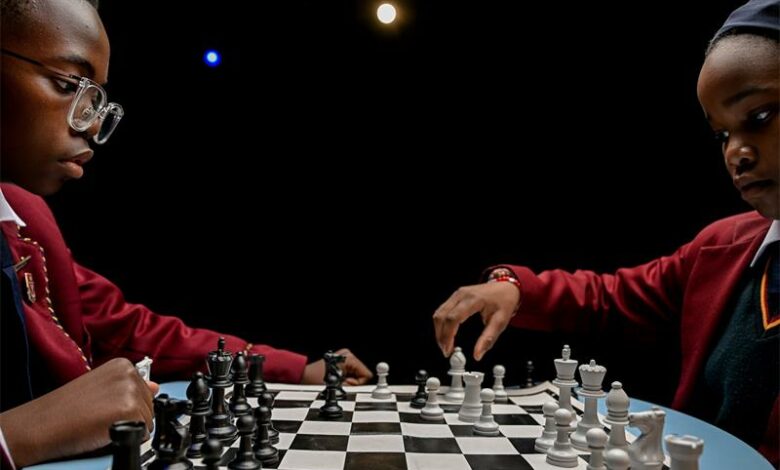
International Chess Day, commemorated annually on July 20, served as an important reminder of the enduring value of one of the world’s oldest games in preparing young people for an increasingly complex future.
While schools invest significant time preparing learners for examinations, careers and adulthood, one of the most powerful educational tools requires nothing more than 64 squares and a willingness to think ahead.
The occasion highlighted how chess is quietly shaping sharper minds and stronger character, while challenging schools to view the game not simply as an extra-curricular activity, but as a meaningful investment in developing future-ready learners.
As artificial intelligence and automation continue to reshape the future of work, employers are placing greater value on critical thinking, sound judgement, adaptability and problem-solving. Chess develops each of these skills while also nurturing patience, resilience, concentration and confidence.

Trinityhouse has embraced chess as part of its holistic educational philosophy, recognising that education should develop character alongside academic achievement.
That vision has been strengthened through its long-standing partnership with Mzansi Chess Academy, which provides structured coaching and competitive opportunities that encourage students to grow both on and off the chessboard.
Chief executive officer of Mzansi Chess Academy, Matthew Jonker, believes schools should see chess as an educational investment rather than simply another school activity.
“Our partnership with Trinityhouse has been incredibly rewarding because we share the belief that chess is a powerful tool for holistic development. Students develop critical thinking, planning and decision-making on the board while building patience, resilience and confidence that serve them throughout life.”
Those lessons are reflected in the experience of Trinityhouse Glenvista Grade 12 chess captain, Itumeleng Serobatse, whose passion for the game began with childhood curiosity and grew into a personal journey of determination and self-belief.
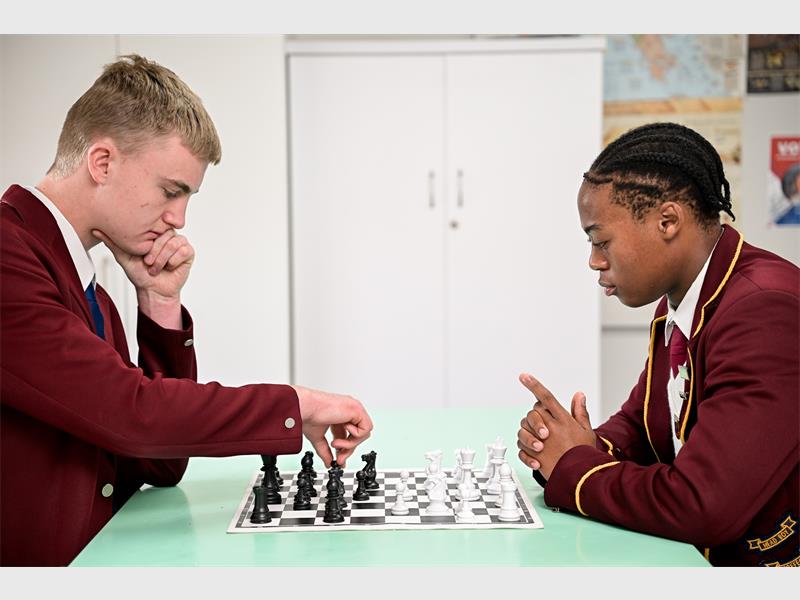
Initially introduced to chess by his mother, Serobatse became captivated by watching world-class players online. Fascinated by the tactical brilliance behind every move, he devoted himself to mastering the game through consistent practice and perseverance. Today, chess has become far more than a hobby.
“Chess is more than just a game for me. It has become a journey. It has given me lifelong friendships, taught me valuable life skills and shown me that growth comes through patience, consistency and learning from every challenge.”
The game has transformed the way he approaches both school and life. “Chess has taught me to break problems into smaller parts, look at different options and think about the consequences before making a decision. Those skills have helped me in mathematics, computer applications yechnology and everyday life.”
Teachers witness those benefits extending well beyond tournament results. Ms Thomas, Trinityhouse Preparatory School chess MIC (master in charge), explains:
“As a teacher, I’ve seen how chess teaches children to slow down and think before they act. In a world where everything is instant, that’s a skill many students need. Chess develops patience, focus and good decision-making that benefits them far beyond the classroom.”
Perhaps the greatest lesson chess teaches is resilience. Every player loses. Every mistake becomes an opportunity to improve. Every setback becomes a lesson in perseverance.
Serobatse vividly remembers representing Trinityhouse in a tense winner-takes-all play-off match after his team finished level on points with another school.
Despite immense pressure and knowing rapid games were not his greatest strength, his coach reminded him that he had already succeeded simply by reaching that moment.
That encouragement changed everything. Serobatse remained calm, trusted his preparation and secured victory, earning first place for his team in one of the proudest moments of his chess journey.
He later went on to receive the best U18 player award at the Mzansi Clash of Schools tournament after competing against many of Gauteng’s strongest young players.
“Chess has taught me that mistakes are part of learning. Winning is exciting, but it’s the journey, the hard work and the lessons from losing that have given me confidence to believe I can achieve my goals.”
Jonker believes these qualities will become even more valuable as technology continues to evolve.
“Technology will continue changing the careers of tomorrow, but the ability to think critically, solve unfamiliar problems and make considered decisions will always remain valuable. Chess develops exactly those abilities.”
Parents increasingly seek activities that nurture both academic achievement and personal growth. Chess continues to deliver both while creating opportunities for students to build confidence, friendships and leadership skills in an inclusive environment.
Although International Chess Day has now passed, its message remains relevant throughout the year. The day serves as a reminder that education is about far more than preparing students for examinations.
Schools also have the responsibility to prepare young people to think independently, remain calm under pressure, solve unfamiliar problems and embrace every setback as an opportunity to grow.