
Cotlands and Jidmac launch pioneering Early Childhood Care and Education Hub
Built on Cotlands’ decades of experience and Jidmac’s community infrastructure approach, the hub introduces a collaborative ecosystem designed to strengthen early childhood development outcomes and support national ECD goals.
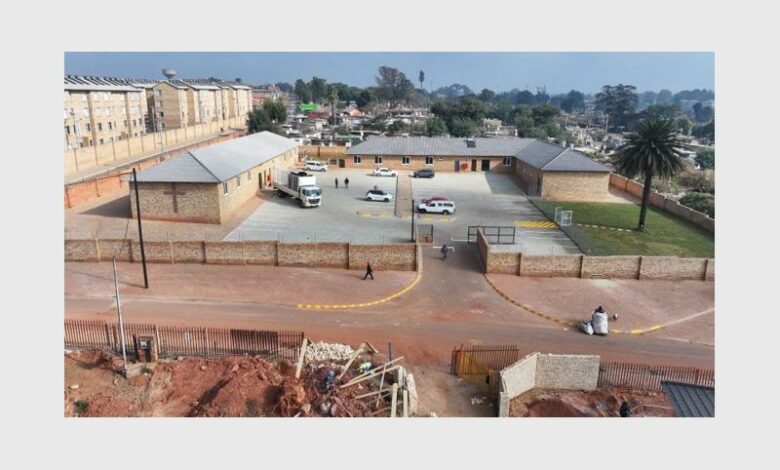
As the world marked International Day of Play on June 11 and celebrated the vital role of play in every child’s development, Cotlands, a leading Early Childhood Development (ECD) non-profit organisation and Jidmac, a property development and rental management company, announced the launch of an innovative Early Childhood Care and Education (ECCE) Hub in Princess, Roodepoort.
The new hub model is a transformative approach designed to accelerate access to quality early learning opportunities for vulnerable children while bringing South Africa’s Bana Pele Blueprint to life.
The Bana Pele Blueprint, led by the Department of Basic Education and partners across government, civil society, philanthropy and business, calls for a shift from fragmented ECD programmes to connected ecosystems that place children at the centre and ensure universal access to quality early learning by 2030, ensuring every child can thrive by five.
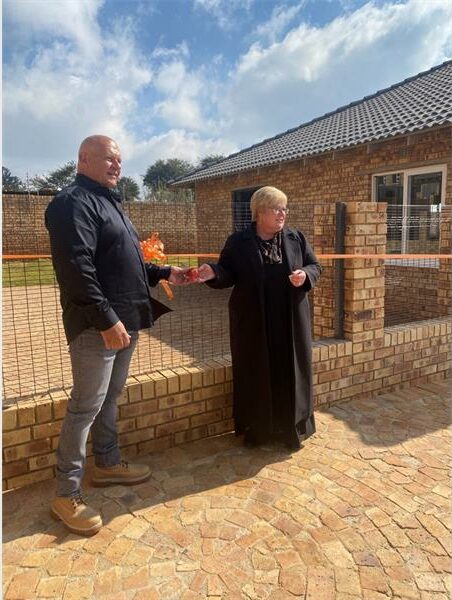
CEO of Jidmac, Ian Coetzee, said: “Jidmac provides affordable, income-based accommodation, creating secure, well-managed residential environments for families who would otherwise not have access to quality housing. Hence our slogan, “My Tomorrow, Today!” In our commitment to community impact, Jidmac has developed the “Jidmac Upliftment Centre”, a managed, safe facility that accommodates organisations such as the Cotlands ECCE hub, thereby extending their reach and enabling trained professionals to support and uplift underprivileged children through structured programmes. Shaping a “New Tomorrow Today!” one child at a time.
For nearly 90 years, Cotlands has worked alongside vulnerable children and communities. Building on decades of experience in play-based early learning, toy libraries and accredited practitioner training and community-based programmes, the organisation is now creating integrated ECCE Hubs that strengthen every part of a child’s network of care.
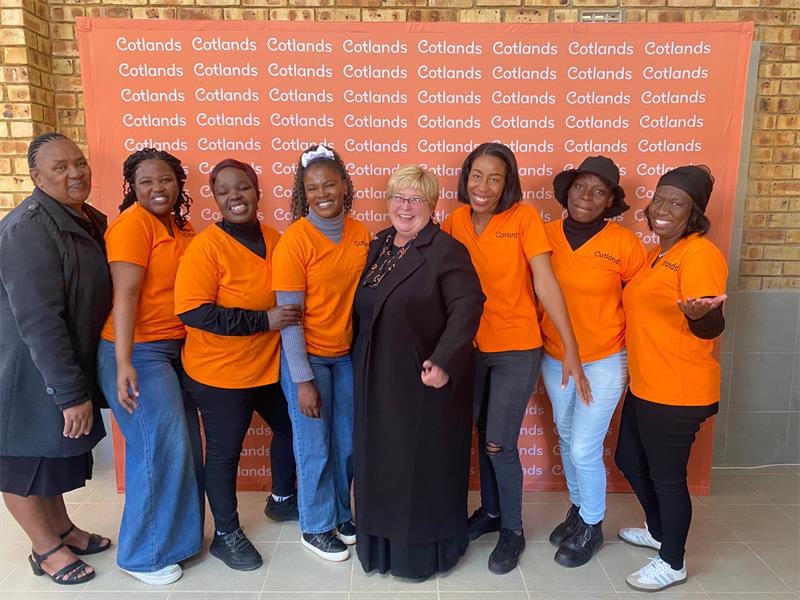
Cotlands ECCE Hubs bring together key building blocks identified in the Bana Pele Blueprint.
Each Hub will serve as a centre of excellence and community resource hub, providing:
• High-quality, play-based Early Childhood Development (ECD) Centres that prepare children to thrive in school and life.
• Parent-and-child playgroups (birth-to-three) that strengthen responsive caregiving and recognise parents and caregivers as children’s first teachers.
• Toy library services that provide access to educational resources, promote learning through play and extend quality learning opportunities into homes and communities.
• Training, mentoring and professional development opportunities that strengthen ECD practitioners’ skills, improve programme quality, and build ECD practitioner capacity in the community.
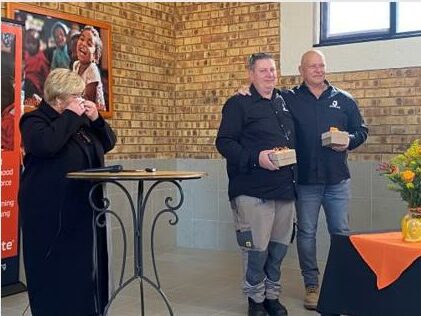
“Our ECCE hubs are more than early learning centres; they are ecosystems of care,” said CEO of Cotlands Dr Monica Stach. “The Bana Pele Blueprint challenges us to think beyond individual programmes and create connected ecosystems that support children, families, practitioners and communities. Through our ECCE hubs, we are turning that vision into action.”
The Bana Pele Blueprint highlights the importance of these mixed-modality approaches. The Hub model also aligns with the Blueprint’s ecosystem priorities: talent development, practitioner support, nurturing spaces, community assets, knowledge sharing, and collaborative networks that enable growth and, most importantly, quality improvement.
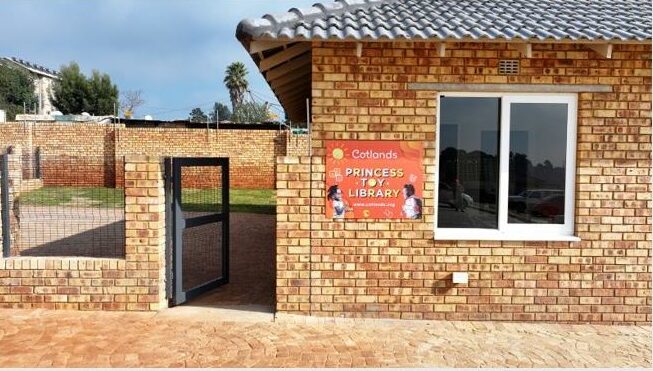
As South Africa works towards the Department of Basic Education’s goal of universal access to quality early learning by 2030, we believe that strong partnerships will be essential to achieve sustainable impact at scale. Cotlands plans to establish more of these Hubs across the country.
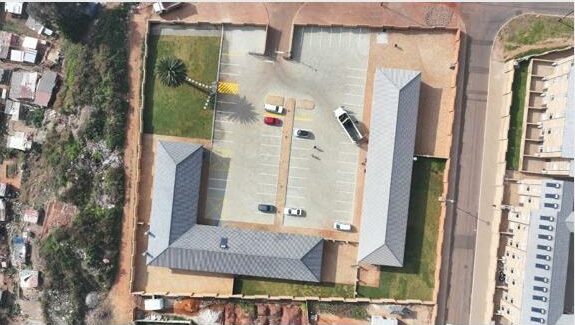
This demonstration site can inform future expansion in other provinces to contribute to a national effort to improve access, quality, and school-readiness outcomes for the million children who don’t have access.
“On International Day of Play, we are reminded that play is not a luxury; it is a fundamental right and one of the most powerful ways children learn, develop and thrive,” said Dr Stach.
“Through our ECCE Hubs, we are creating play spaces for an ecosystem of care that supports parents, caregivers and practitioners to ensure every child has the opportunity to ignite their full potential through play.”