

WATCH: Gauteng MEC visits Faraday Taxi Association to tackle taxi violence and licence backlog
Gauteng Roads and Transport MEC Kedibone Diale- Tlabela has begun a programme of visiting taxi associations where they operate, with the first stop at the Faraday Taxi Association in La Rochelle. The engagement focused on taxi violence, operating license backlogs, illegal operators, infrastructure and other challenges facing the industry
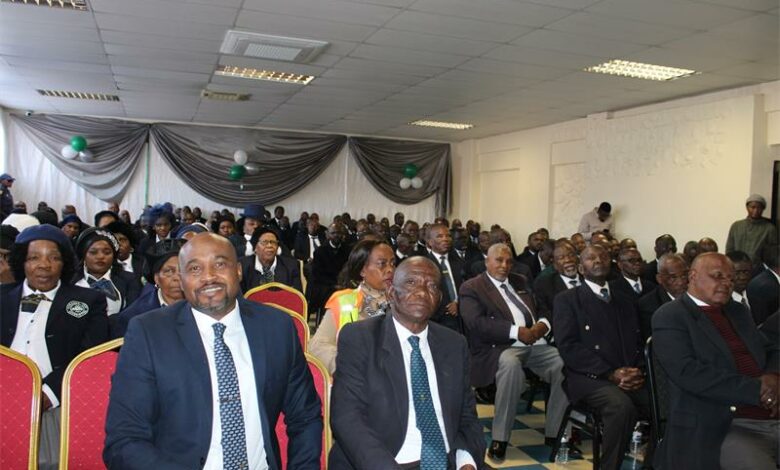
Gauteng MEC for Roads and Transport Kedibone Diale-Tlabela visited the Faraday Taxi Association in La Rochelle on July 2 as part of a new programme aimed at engaging taxi associations at their operating bases to resolve challenges affecting the industry.
The engagement focused on taxi violence, operating license backlogs, illegal operators, infrastructure and other challenges facing the industry.
Some of the stakeholders in attendance were City of Johannesburg’s ward councillors, officials from the Roads and Transport Department in Gauteng, Faraday Taxi Association executives, taxi owners and drivers, the MEC and her supporting staff, among others.
@southern.courier Gauteng Roads and Transport MEC Kedibone Diale- Tlabela has begun a programme of visiting taxi associations where they operate, with the first stop at the Faraday Taxi Association in La Rochelle. The engagement focused on taxi violence, operating license backlogs, illegal operators, infrastructure and other challenges facing the industry Full story on southerncourier.co.za
♬ Car horn sound(264323) – Lyu
The purpose of the visits is to assess whether the department is effectively serving operators and to give taxi associations an opportunity to raise concerns in their own operating environments.
A series of interventions has also been introduced to improve internal processes and turnaround times, thereby reducing backlogs linked to both municipal delays and operator-side challenges.
“This programme allows us to meet operators where they work, verify whether we are meeting their needs and give them space to raise concerns,” said Diale-Tlabela.
Conflict and taxi violence
Diale-Tlabela said the Faraday Taxi Association is among the associations identified as being affected by conflict and ongoing taxi-related violence, making it one of the department’s priority associations over the next two months.
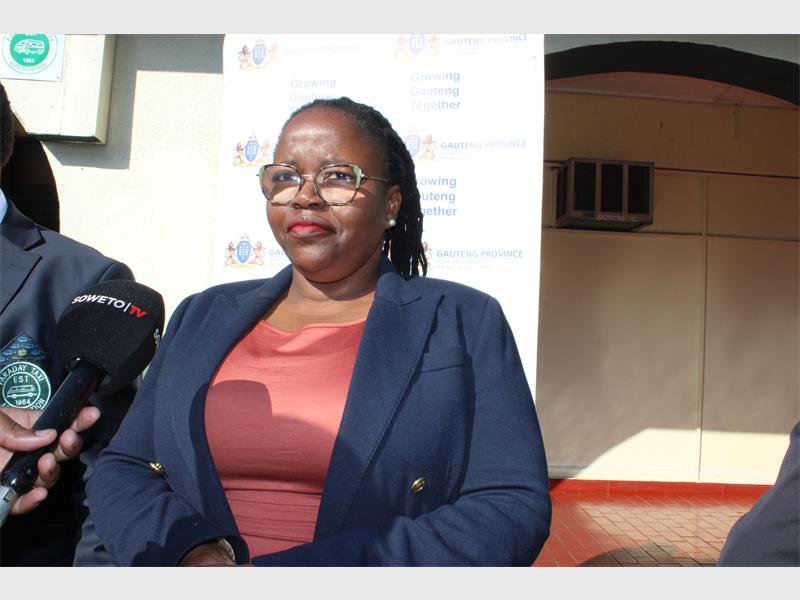
“Our call to them is that, yes, you can go to court, but we think as people we must resolve the challenges that we are faced with. You know to an extent, the violence that continues to happen is because of criminality. That’s why you see us here to say let’s eradicate illegal operators.”
She welcomed the national government’s decision to investigate taxi-related killings through the Political Killings Task Team, saying she is confident law enforcement interventions will produce results.
“Our responsibility is to ensure proper licensing, eliminate illegal operations and create a safe, regulated environment for all,” she said.
Operating license backlog under review
A major focus of the visit was the backlog of operating licenses.
The department presented updated figures showing that, as of June 2, the Faraday Taxi Association had submitted 1 857 operating license applications.
Of these, 244 operating licenses have been issued, 37 applications have been withdrawn or refused, and 1 576 applications remain outstanding.
Among the outstanding applications, 1 276 have already been approved, with 98 at the adjudication stage and 202 are awaiting publication in the Government Gazette.
Diale-Tlabela said the department wanted to verify its records with the association to determine whether its data matches that of operators and identify where delays still exist.

“We’re here to check how far we are, whether they are happy with what we are doing and also clean up and verify the data that we have as a department, but we are doing very well as a department on that front and that’s why you see us coming down now to say, have we still got it properly? Where do we still lack and how do we correct it?”
Challenges identified by the department
The department outlined several factors contributing to the backlog, including:
• Delays by municipalities in issuing concurrences.
• Applicants failing to submit supporting documents after their applications are approved.
• A lack of understanding of regulatory requirements, with operators purchasing vehicles before receiving grant letters.
• Operators submitting bulk applications but activating only a few, leaving many applications in the backlog.
To improve the process, the department proposed:
• A five-day turnaround time for municipalities to submit concurrences.
• Giving applicants 14 working days to submit outstanding documentation before applications are rejected.
• Awareness campaigns to educate operators on licensing requirements and processes.
• Introducing limits on the number of applications submitted by individual operators.
Taxi association raises key concerns
Faraday Taxi Association chairman Thokozane Zakhele Thango presented a memorandum outlining the association’s concerns. Among the issues raised were:
• Delays in processing operating license applications and renewals.
• Faster processing of permits.
• Protection of members from high bank interest rates that have resulted in many taxis being repossessed.
• The poor condition of taxi routes, taxi ranks and holding facilities and the need for further infrastructure investment.
• Safety and security concerns affecting drivers and commuters.
• Better communication and consultation between government and taxi associations on decisions affecting operations.
• Skills development, training and economic empowerment opportunities for members.
• Amnesty or discounted payments for outstanding vehicle licences and traffic fines to allow operators to start with a clean slate.
• A vehicle scrapping programme to remove old and unroadworthy taxis from the roads.
• Stronger action against illegal operators using seven-seater vehicles on taxi routes.
The association said it remains committed to working with the department to find practical and lasting solutions.
Taxi recapitalisation and illegal operations
The MEC also raised concerns about the limited participation in the national Taxi Recapitalisation Programme and said the department wants to understand the barriers preventing operators from participating.
“The Recapitalisation Programme has not been so responsive, so it is one of the reasons we are here to understand why they are not responding. We are against illegal taxi ranks that have mushroomed everywhere. We want to understand how we can eradicate them and how the city can provide proper spaces for operators. Our priority is to eradicate illegal operations while ensuring that operators are provided with formal, regulated spaces to operate.”
Working with municipalities, councillors and members of the Gauteng Legislature’s Portfolio Committee, the department also inspected taxi ranks and operating areas.
Repositioning the taxi industry
The MEC stressed that the taxi industry should no longer be viewed as part of an underworld but as a legitimate business sector providing an essential public transport service.

“They are a business providing a public service to the people of South Africa and we need to assist them in dealing with the killings and the challenges they are faced with. The taxi industry is a critical public service that must operate within a lawful and stable environment. We are here to listen, resolve challenges and ensure that we deliver effectively. Where we fall short, we will correct.
The department has committed to working closely with the Faraday Taxi Association over the next two months to resolve key challenges, monitor progress and implement practical solutions.
Call for compliance and peaceful coexistence
Ward 56 councillor Michael Crichton said the engagement was important because the taxi industry plays a vital role in transporting residents and supporting the local economy.
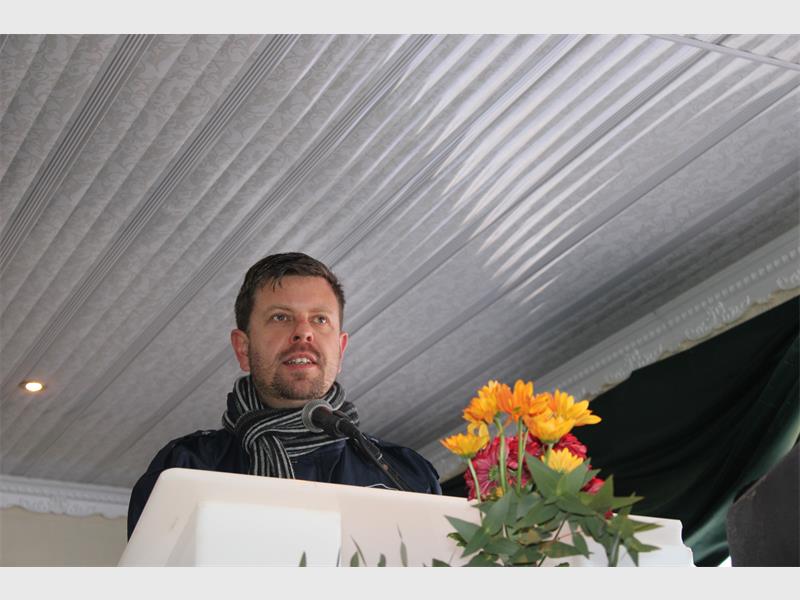
“There have been concerns regarding violence within the taxi industry in recent times, so I’m really glad that we are trying to address this. It is my hope that the various taxi associations can operate and coexist peacefully within the system alongside other modes of transport. To all taxi operators, firstly thank you for the vital service you provide our residents; however, my plea to you is to please make sure your vehicles are roadworthy and that you comply with all the city’s bylaws and regulations because you take people’s lives into your hands every day when transporting passengers.”
The MEC concluded that the department will continue working with the Faraday Taxi Association over the coming months to strengthen partnerships, improve service delivery, eliminate illegal operations, resolve outstanding licensing issues, and build a safer, more stable, and better-regulated taxi industry.