
Mandela's cherished African folktale comes alive in award-winning animation Natiki
Inspired by one of Nelson Mandela’s favourite African folktales, the internationally acclaimed animated short film Natiki celebrates African heritage, resilience and hope while captivating audiences around the world.
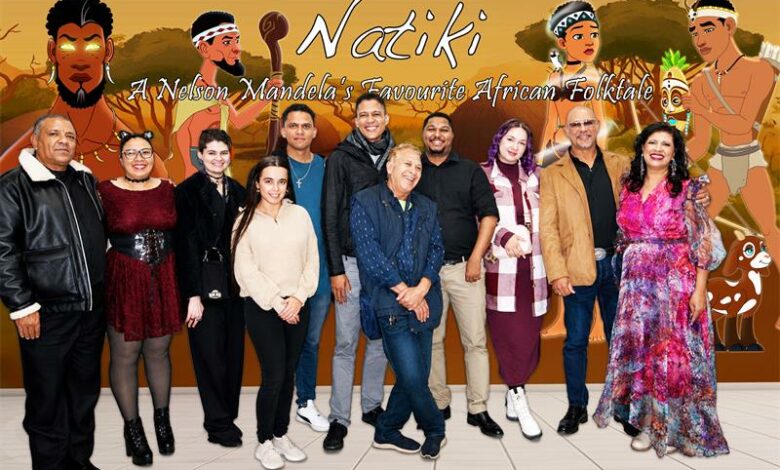
An age-old African folktale that inspired one of South Africa’s greatest leaders has found new life on screen through Natiki, an award-winning animated short film celebrating African culture, storytelling and the enduring values of kindness, resilience and hope.
Produced by Johannesburg South-based Noble Pictures, Natiki is the seventh adaptation in the acclaimed Nelson Mandela’s Favourite African Folktales series.
The film transforms one of the treasured stories personally selected by the late former president Nelson Mandela into a visually captivating experience for modern audiences.
More than just a fairy tale, Natiki pays tribute to Africa’s rich oral storytelling tradition while introducing a new generation to the timeless lessons that shaped Mandela during his childhood in Qunu.
Where it started
The story follows Natiki, a gentle and compassionate young woman who is mistreated by her jealous stepmother and lazy stepsisters. Drawing inspiration from the familiar Cinderella tale, it remains distinctly African through its setting, symbolism and characters.
Instead of a fairy godmother and glass slipper, Natiki receives help from a wise shaman, a magical mask, loyal animals and the spirits of nature.
After being deliberately prevented from attending the village’s full moon dance, Natiki finds refuge in a cave during a violent storm. There, a wise elder gives her a magical mask that allows her to attend the celebration, warning her to return before midnight.
At the dance she captures the heart of a young hunter but leaves the mask behind as she rushes home. Guided by nature, the hunter eventually discovers Natiki, whose true identity is revealed when the mask fits her perfectly, allowing the couple to begin a new life together.
The team behind Natiki
The production embraces African cosmology, where the natural and spiritual worlds exist alongside everyday life. Honey birds, ancestral wisdom, storms, moonlight and traditional masks reinforce themes of identity, courage and justice.
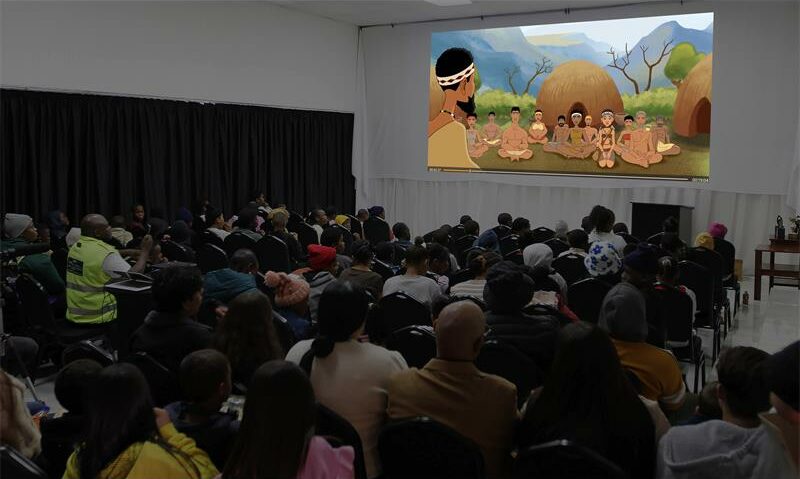
Set against the backdrop of the ancient San people of Southern Africa, the film honours one of the continent’s earliest indigenous cultures. Breathtaking landscapes inspired by the famous San cave paintings create a visually rich world celebrating Africa’s heritage and history.
The screenplay, written by Peter Goldsmid, received the 2021 Writers Guild of South Africa (WGSA) Muse Award for Best Animated Screenplay. The original folktale was written by folklorist Glaudien Kotze, while acclaimed actor, writer and educator Rajesh Gopie edited the screenplay.
Director Sheldon Noble brought more than 17 years of filmmaking experience to the project. His vision helped transform the beloved folktale into an internationally recognised production that blends traditional African storytelling with modern cinematic techniques.
Importantly, Natiki was created entirely without the use of artificial intelligence. A team of South African animators from Johannesburg, Cape Town, Gqeberha and Pietermaritzburg worked remotely to produce the film’s hand-crafted 2D animation. Led by experienced animator Dani Astra Loubser, the team ensured the film remained artistically authentic while showcasing the country’s growing animation industry.
The voice cast combines established performers with emerging talent, while the music score fuses traditional African sounds with contemporary arrangements.
The project also created meaningful employment opportunities. Funding from the Presidential Employment Stimulus Programme (PESP) enabled Noble Pictures to create 22 jobs within South Africa’s arts, culture and heritage sectors. Additional support from the National Film and Video Foundation (NFVF) helped market and distribute the film.
Accolades
Since its release, Natiki has earned international recognition, receiving official selections at prestigious festivals including the London International Film Festival, Hollywood International Film Festival and the Black Panther International Short Film Festival. It has also received multiple Best Short Film awards and continues to be submitted to festivals around the world.
Behind the success of Natiki is Noble Pictures, a 100% Black female-owned Johannesburg production company founded by award-winning producer, director, actress and attorney Claudia Noble-Areff.
Through the company’s work, Noble-Areff continues to champion proudly South African stories that resonate with international audiences.
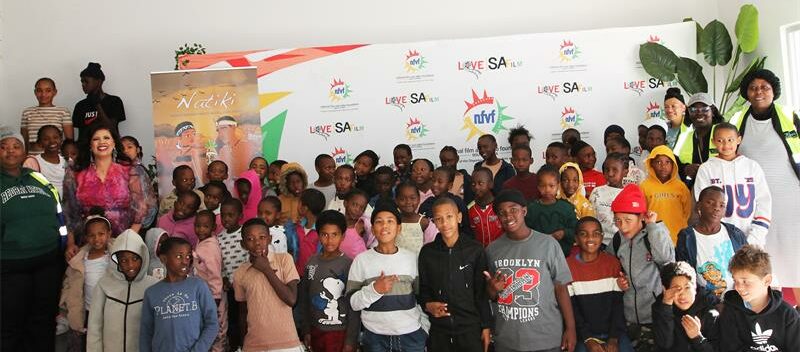
As part of its Mandela Day initiatives, the film has already been screened at schools and community venues, introducing children to the values and cultural heritage embedded in African folklore.
Noble Pictures hopes to eventually animate all 30 stories featured in Nelson Mandela’s Favourite African Folktales, ensuring Mandela’s dream of sharing Africa’s stories with children around the world continues for generations to come.
With its powerful storytelling, authentic African identity and universal message that goodness ultimately triumphs over cruelty, Natiki is more than an animated film. It celebrates African heritage and reminds audiences that stories passed down through generations still have the power to inspire, educate and unite.
If any school, community organisation or orphanage wishes the team to screen the films for their children, they can contact Anesty at Buena Vista Country Estate on 072 399 8012.
Key facts:
• Title: Natiki
• Genre: Animated short film / African folktale
• Based on: Nelson Mandela’s Favourite African Folktales
• Original folktale by: Glaudien Kotze
• Screenplay: Peter Goldsmid
• Director: Sheldon Noble
• Producer: Claudia Noble-Areff (Noble Pictures)
• Animation: Traditional 2D animation (created without AI)
• Setting: Ancient Southern Africa, inspired by the San people and their rich cultural heritage
• Theme: Kindness, resilience, identity and the triumph of good over cruelty
• Funding: Presidential Employment Stimulus Programme (PESP) and the National Film and Video Foundation (NFVF)
• Jobs created: 22 employment opportunities in South Africa’s arts and culture sector
• Recognition: Officially selected at international film festivals, including London and Hollywood, and winner of multiple Best Short Film awards.