
Johannesburg indaba highlights youth opportunities in recycling
Young entrepreneurs, environmental organisations and government officials gathered to explore how skills development, innovation and partnerships can grow the city’s circular economy.
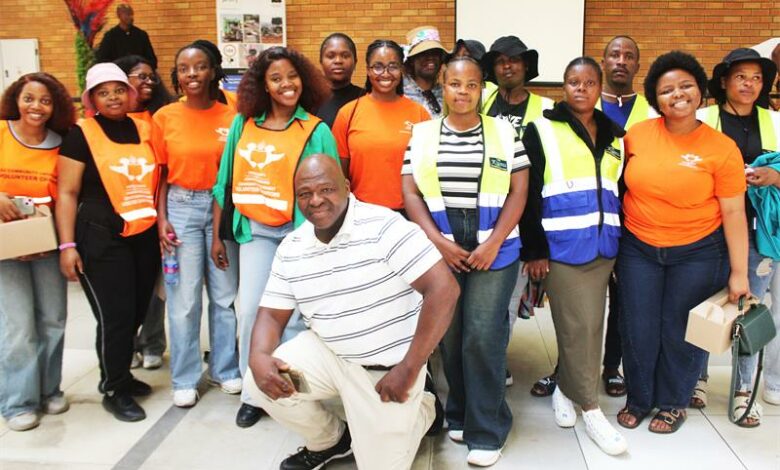
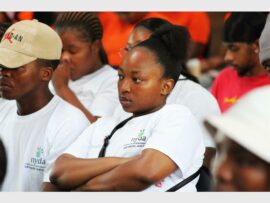
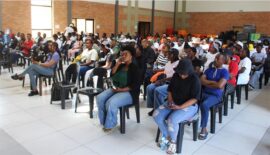
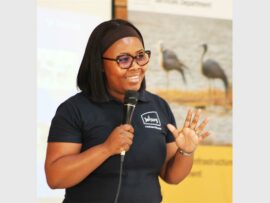
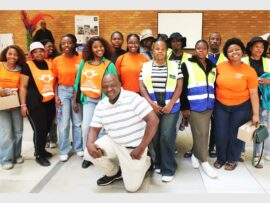
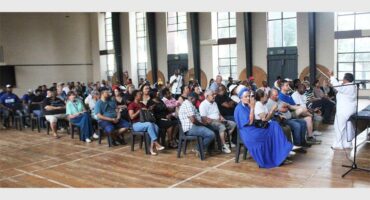
The City of Johannesburg’s Environment and Infrastructure Service Department hosted the Youth Recycling Indaba 2026 on October 15, bringing together young entrepreneurs, environmental organisations and government officials to promote youth participation in the city’s growing circular economy.
The event was organised in collaboration with Pikitup, the Greater Johannesburg Environmental Forum and plastics recycling organisation Petco under the theme “Empowering Youth Through Recycling, Innovation and the Circular Economy”.
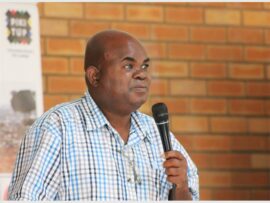
Smith Kelomo, manager for environmental education and awareness at Pikitup, encouraged youth-led cooperatives to look beyond collecting and selling recyclable materials and explore opportunities to process waste into valuable products.
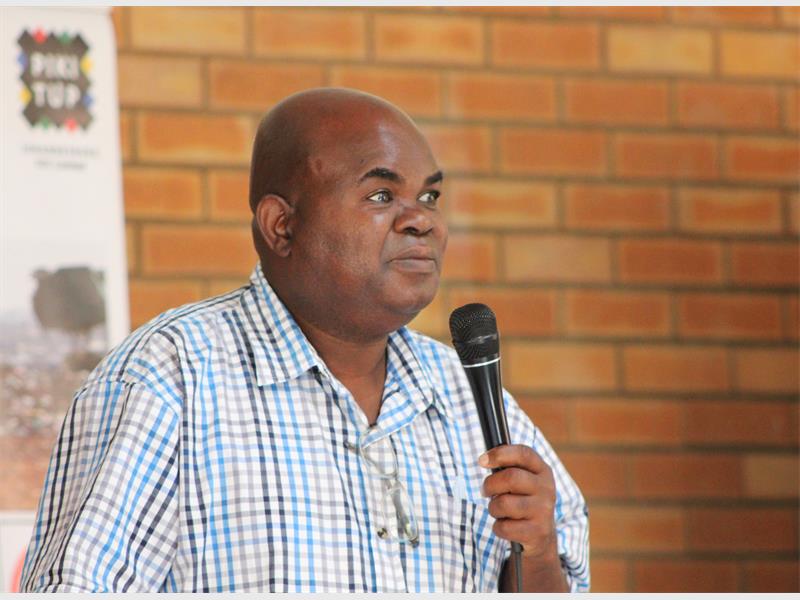
“The aim of the indaba is for young people to start to see opportunities available in the waste space. Currently, young people run several cooperatives throughout the city. As Pikitup, we have linked them with several organisations in the recycling space who have been helping them with skills development,” he said.
Kelomo said the initiative was beginning to produce tangible results, with growing volumes of recyclable waste being diverted from landfills.
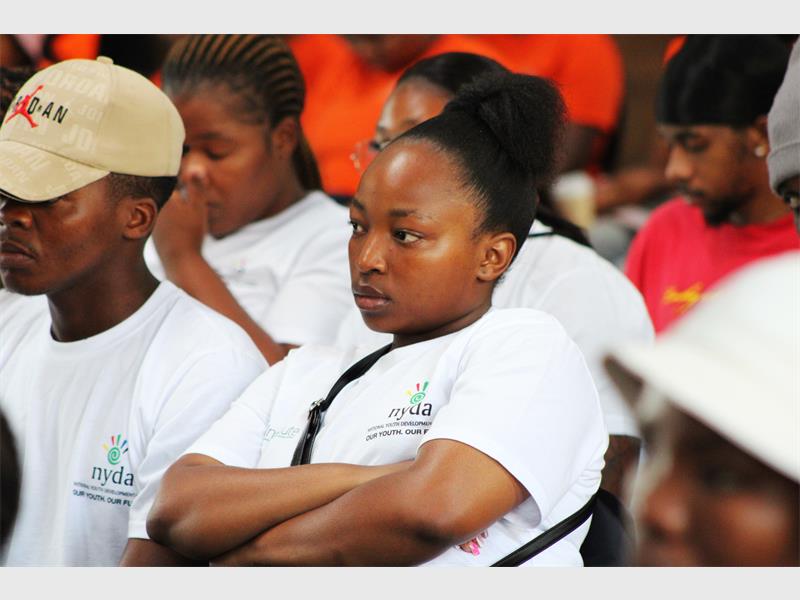
He highlighted the importance of developing skills and expanding business opportunities to help young people establish sustainable enterprises in the recycling sector.
Bernard Mulauzi of the Greater Johannesburg Environmental Forum emphasised the need for partnerships between cooperatives, government and other stakeholders to support community-based recycling initiatives.
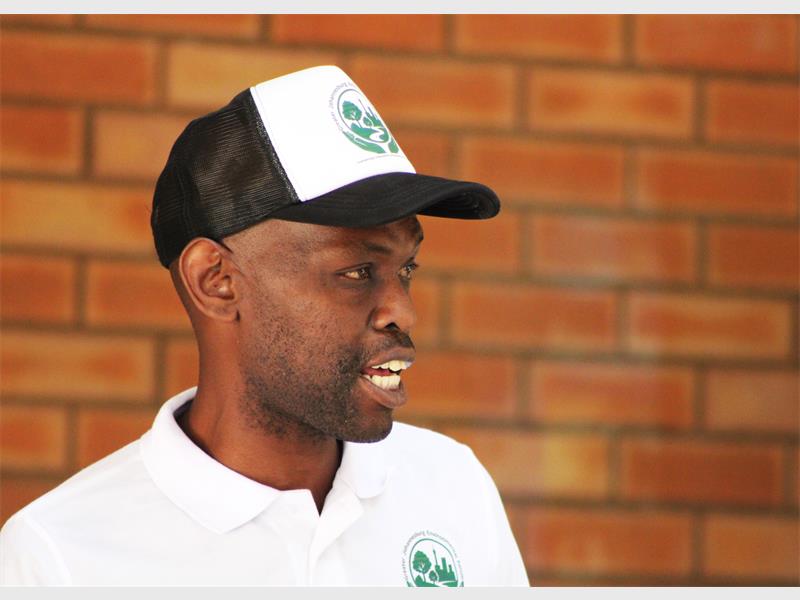
“We are creating partnerships and networks with the government and other stakeholders to assist us as cooperatives to be part of the circular economy,” he said.
“We want to create a network between us and the city so that we can tap into the environmental space by empowering communities to protect their surroundings.”
Andiswa Siyengo, a control environmental officer from the Department of Forestry, Fisheries and the Environment, encouraged young people to continue contributing to environmental protection and recycling initiatives.
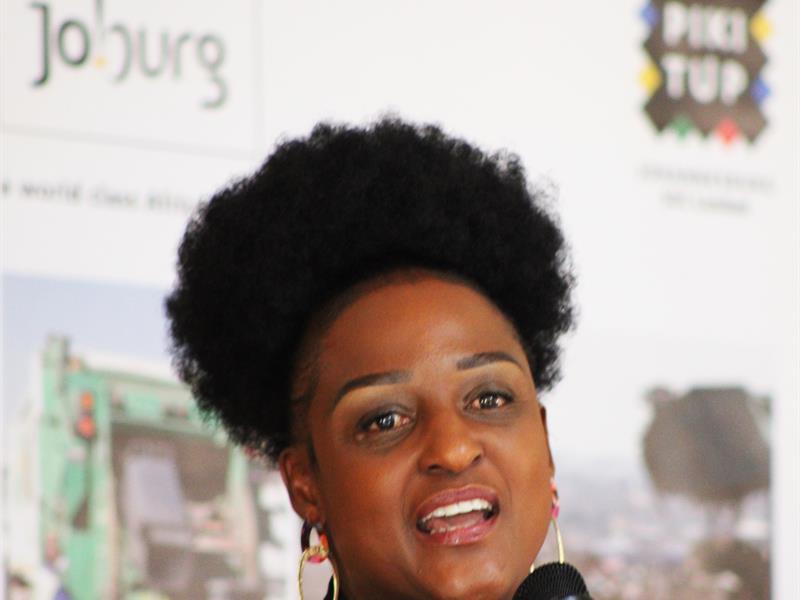
She said the national department developed environmental policies in collaboration with municipalities, cooperatives and other stakeholders, who were responsible for implementing the resulting strategies.
“As a national department, we develop policies around the environment in conjunction with all the stakeholders, including municipalities, cooperatives, and government structures, to name a few.
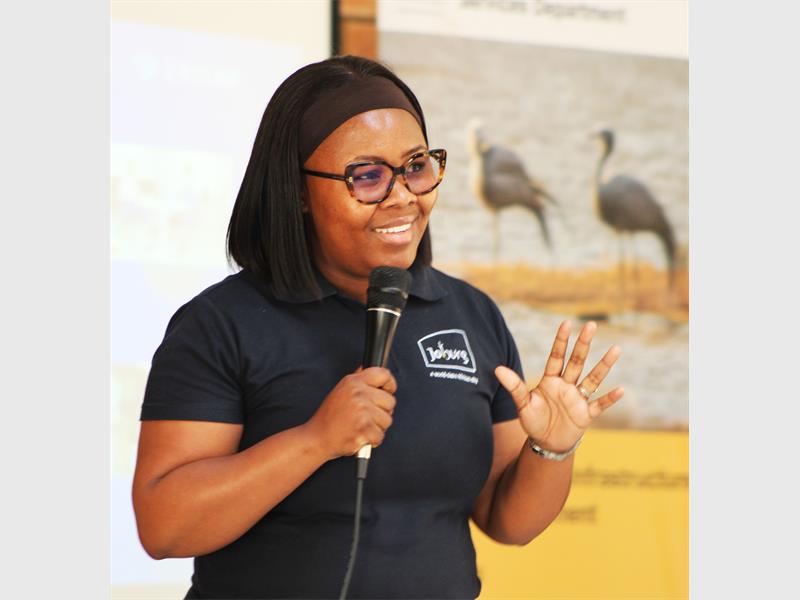
Stakeholders implement the strategies we develop. We appreciate the work happening on the ground. We can work with speed if we foster partnerships,” she said.
The indaba also gave young entrepreneurs a platform to share their experiences and show how recycling can become a source of income and employment.
Among those sharing his success story was Banele Ndlovu, a self-taught environmentalist from Pimville, Soweto, who built a recycling enterprise from humble beginnings.

Ndlovu said his journey began with washing bins in his township before he discovered business opportunities in recyclable waste.
“I started by washing bins in the township. In the first month, I washed 10 bins, and it grew from there. I would often see people taking waste from the bins before Pikitup collected the refuse, and that is how I learned recycling,” he said.
His experience highlighted how observing challenges in local communities can inspire innovative business ideas and create opportunities for young entrepreneurs.
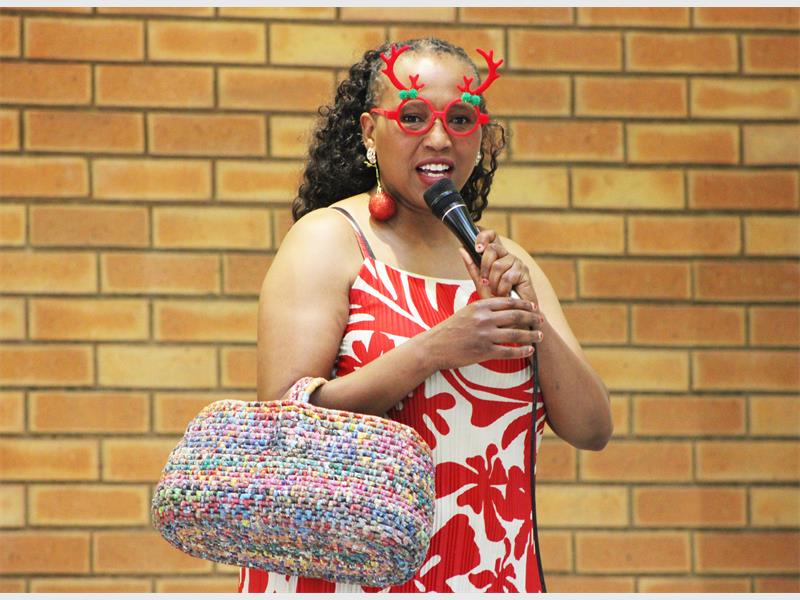
The Youth Recycling Indaba reinforced the importance of collaboration, skills development and innovation in building a circular economy that creates employment opportunities while reducing waste.
By encouraging young people to participate in recycling and waste management, the initiative aims to support local enterprises, promote environmental responsibility and contribute to a cleaner, more sustainable Johannesburg.