Myopia among children in the spotlight
Symptoms of myopia includes blurry vision, squinting, frequent eye rubbing and frequent headaches.
The increasing rise in myopia among school children is a growing concern across the globe.
Myopia, also known as shortsightedness, is a common vision problem especially among children aged between six and 14 years.
Symptoms of myopia include blurry vision, squinting, frequent eye rubbing and frequent headaches.
ALSO READ: Gauteng Health responds shortage of clean linen at Baragwanath Hospital
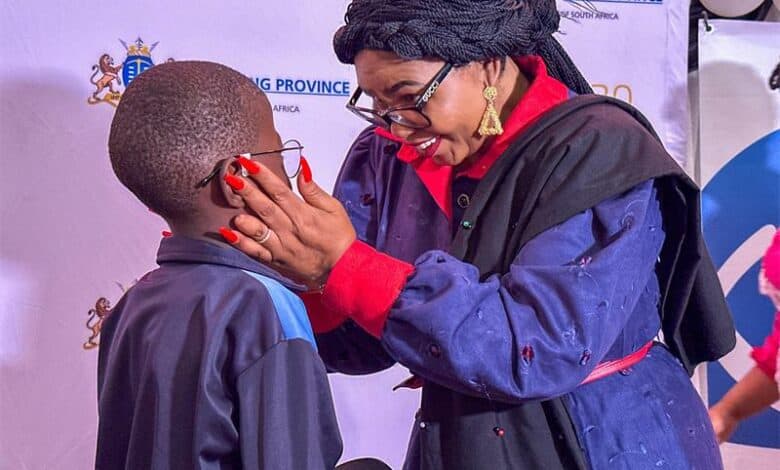
In an effort to raise awareness about the importance of eye health, the Gauteng MEC for Health and Wellness, Nomantu Nkomo-Ralehoko called on parents and caregivers to protect children’s eyes and prioritise vision care.
Speaking at the World Sight Day event held at Phillip Kushlick Special School, under the theme “Love the Eyes of a Child”, Nkomo- Ralehoko emphasised the importance of regular eye check-ups, encouraging outdoor activities and limiting screen time to promote good vision for children. World Sight Day is observed annually.
“It is concerning that children are developing shortsightedness at such a young age affecting their learning potential.
“We must educate the little ones about the dangers of spending too much time on digital screens and encourage them to engage in outdoor activities,” Nkomo- Ralehoko said.
Through partnerships with sponsors and stakeholders, including the Clinton Health Access Initiative (CHAI), The Ruya, Special Olympics, Al- Imdaad Foundation, Surgical Ophthalmic Supplies, Ukubona Foundation and Tripple 8, a total of 62 spectacles were issued to the learners.
ALSO READ: Selling scheduled medications is illegal – Gauteng Health warns
This is part of ongoing effort to ensure that school-going children with vision challenges are provided with spectacles. Since the beginning of the 2024/25 financial year, a total of 1 651 spectacles have been issued to learners from various schools across the province.
“As the school, we are grateful to all the sponsors who made it possible for our learners with eyesight challenges to receive the spectacles.
This will go a long way in enabling them to engage in learning activities without any vision difficulties’, said Mariam Makhetha, the principal of Philip Kushlick Special School located inside Chris Hani Baragwanath Hospital.
The school caters for learners with developmental delays and neurological conditions such as cerebral palsy and other medical conditions that affect their mobility and intellectual capability. Currently, 348 learners from Soweto and surrounding areas are enrolled at the school.
Parents with children showing symptoms of myophia are advised to take them to the nearest healthcare facility for a diagnosis. Even though myopia cannot be cured, treatment can improve your child’s vision and prevent it from getting worse.