
Vaccination guide: What parents need to know
Vaccines introduce a harmless version of a germ, weakened or inactive, so the immune system learns to fight it without causing illness.
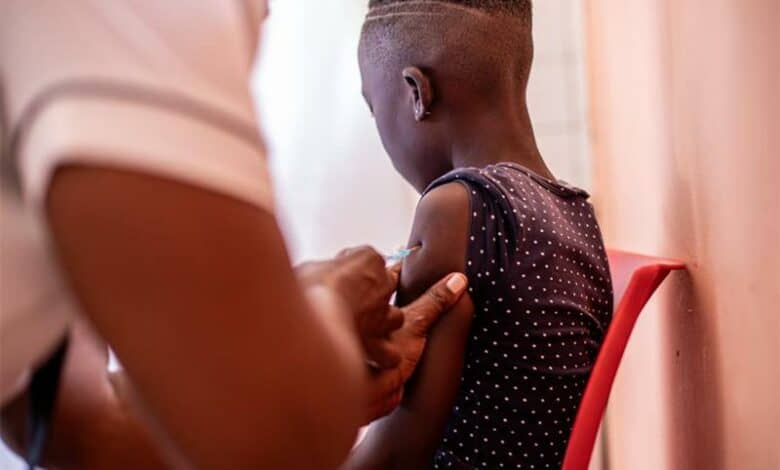
In 2009, SA faced a severe measles outbreak that overwhelmed hospitals and paediatric wards.
Many children were vaccinated and recovered quickly. But for babies, the unvaccinated and those with weakened immune systems, the consequences were far more serious, ranging from pneumonia and dehydration to brain inflammation and death.
Dr Liza Street, a paediatrician on the frontlines during the outbreak, recalls the trauma.
“The paediatric wards were overflowing with critically ill children. Even the ICU was full.”
ALSO READ: Pet owners can proactively limit rabies through vaccinations
She tells of an 18-month-old boy who arrived with dangerously low oxygen levels and had to be ventilated.
“We saved his life, but it was traumatic. His parents were desperate. They hadn’t understood how critical vaccination is.”
How vaccines work
Vaccines introduce a harmless version of a germ, weakened or inactive, so the immune system learns to fight it without causing illness.
“If you encounter the real germ later, your body is ready to defend itself,” said Street.
Vaccinated individuals also help protect those who cannot get vaccinated, such as newborns and immunocompromised people.
SA’s vaccination schedule
Free government programme: Vaccines are available at state clinics and hospitals for all children;
Optional vaccines: These include chickenpox, meningococcal, flu and travel-related vaccines. These require out-of-pocket payment but offer added protection;
Flu vaccine: Recommended annually from six months old, especially for children in creches or with chronic illnesses. Best taken before May.
Understanding vaccine options
Different pharmaceutical companies may manufacture the same vaccine, which can be confusing.
“There isn’t one that’s better. They protect against the same diseases,” said Street.
Why vaccination records matter
Keeping a complete vaccination record is vital:
Travel: Some countries, especially in Africa, require proof of vaccines like yellow fever;
Relocation: Different countries have different vaccination schedules;
Medical reference: Keeping photo records of any post-vaccine reactions helps in follow-up care and future appointments.
ALSO READ: Vaccinate your children against flu this winter
Preparing for vaccination day
“Vaccines rarely hurt more than a sting or pinch,” said Street.
Mild symptoms like a sore arm or low-grade fever are common and short-lived.
Tips to ease vaccination day:
• Take your child’s Road to Health card
• Schedule when your child is well-rested and not hungry or ill
• Dress your child in loose, comfortable clothing
• Soothe them afterwards with a toy, snack or breastfeeding.
Paracetamol can be given after a vaccine if a fever develops.