Nal’ibali promotes inclusive storytelling at school for the deaf
Learners at Sizwile School for the Deaf in Dobsonville celebrated World Read Aloud Day through sign language stories.
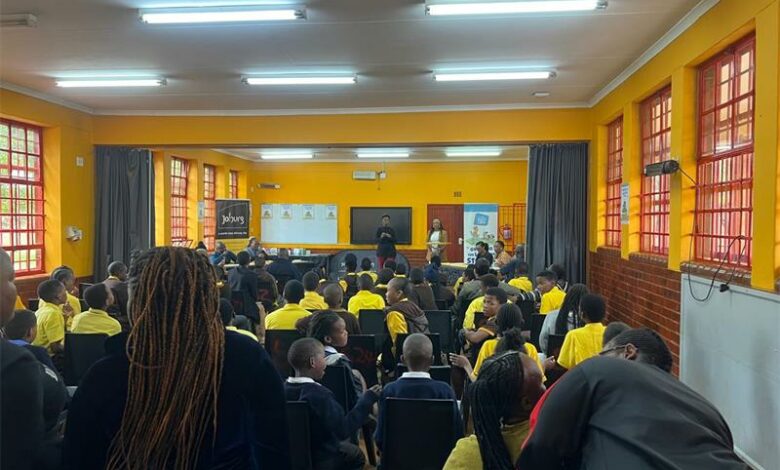
Nal’ibali hosted a World Read Aloud Day (WRAD) activation at Sizwile School for the Deaf in Dobsonville on February 24.
Nal’ibali is a national reading-for-enjoyment campaign that seeks to spark and embed a culture of reading among children from birth to 12 years of age by developing engaging reading content in all South African languages.
The activation forms part of Nal’ibali’s drive to ensure that every child, including deaf learners, has access to the joy and power of storytelling.
ALSO READ: Success beyond verbal communication in Deaf Empowerment Firm
In an interview, Gauteng Provincial Coordinator Sithembiso Nhlapo told Urban News that since 2025, Nal’ibali has been intentional about inclusivity.
He said last year’s WRAD story was presented in sign language, and a video was created to accommodate the Deaf community.
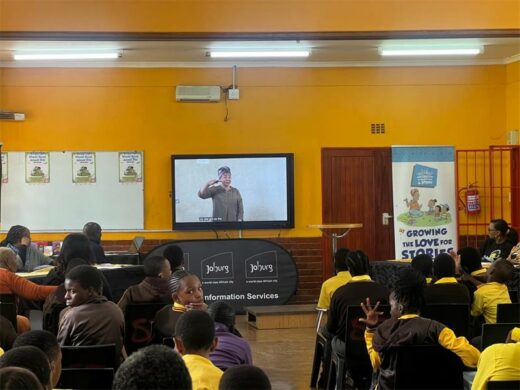
“This year we went a step further by hosting events and activations at schools for Deaf learners. The Gauteng team identified Sizwile School for the Deaf in Dobsonville as the host for this year’s event,” he said.
Nhlapo further stated that sign language is now recognised as South Africa’s 12th official language and should be treated with the same importance as the other 11.
He said that, as an organisation that promotes the value of language, Nal’ibali is committed to ensuring that every child has the opportunity to enjoy stories in their first language.
ALSO READ: Joburg marks Deaf Awareness Month
“This year’s WRAD story is available on our YouTube channel in sign language, and it’s the version we’ve used at events for schools with Deaf learners. Most importantly, the story was created in collaboration with the Sign Language Education and Development (SLED) team and translated into several languages,” said Nhlapo.
He added that the partnership with SLED will help them reach more children in the Deaf community and encourage them to use the resources available on their website and social media platforms.
Nhlapo explained that multilingual literacy plays a vital role in children’s cognitive and social development, particularly in marginalised communities.
ALSO READ: Raising awareness for deaf children
He said a strong foundation in a child’s mother tongue is essential because it helps them make sense of the world and understand the concepts around them.
“Children learn best in a language they understand well. When literacy begins in their home language, they more easily grasp concepts, expand their vocabulary and develop strong comprehension skills.
“Languages should not be used to exclude others, but to promote social cohesion and inclusion. Children should be taught that all languages are important and equal,” explained Nhlapo.