Soweto learners explore AI and innovation during Youth Day programme
The event combined education, competition and innovation, giving young people an opportunity to explore the future of technology.
Learners from five Soweto schools gathered at Mdelwande Hlongwane Primary School in Pimville on June 16 for the AI for Good Youth Day Accelerator programme, where they were introduced to the opportunities and possibilities presented by AI.
The event brought together learners from Mdelwande Hlongwane Primary School, Fidelitas Comprehensive Secondary School, Musi Comprehensive Secondary School, Lancea Vale Secondary School, Progressive Comprehensive High School and Fons Luminis Secondary School.
ALSO READ: Parents back Eagles Eldorado Park players ahead of African Youth Flag Football Games
Learners were educated on AI and participated in discussions on various issues. Learners posed queries, while others were rewarded for answering questions correctly.
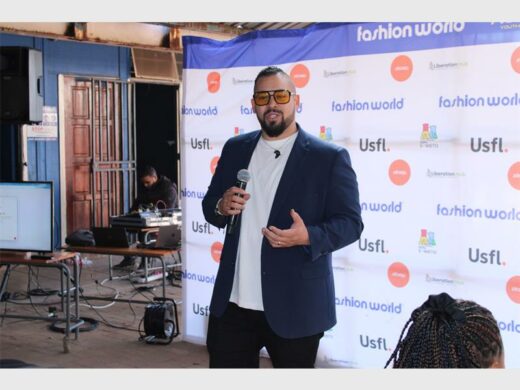
Bongani Nkomo, from GDG Soweto and Software, directed the programme. He engaged learners from the start by testing their knowledge of AI and asking whether they had ever used the technology.
Nkomo argued that learners should view AI as an empowerment tool.
“I use AI to complement my own work. If I am a 60% student, then AI will be my other 40%.”
Nkomo advised learners to consider AI as something that could help them develop their skills as opposed to taking over their capabilities.
ALSO READ: George Khoza Secondary School honours and remembers the bravery of the youth of 1976
The next presenter was Yazeed Osman, the co-founder of Liberation Hub and the managing partner of Usable Solutions for Life (USFL). He raised a question regarding the median age of Africa, which received great response from the participants.
He pointed out that the median age in Africa is 19 and emphasised the significance of this statistic.
“We are the youngest continent in the world. Looking at all the developments taking place around the world, we are in a position where everybody is looking at Africa,” he said.
“You are the youth. Today is about you – empowering yourselves, learning, embracing technology and using it to solve problems.”
Maboga Yaqoob from Fashion World also encouraged the learners to believe in their ideas and abilities.
“Those ideas you have in your heads, don’t be afraid to voice them. Today is an opportunity for you to showcase what you have. Don’t worry about what your friends might say; this is about you,” he said.
He encouraged learners to focus on making themselves proud before seeking validation from others.
“Wherever you go, make yourself proud before anyone else,” said Yaqoob.
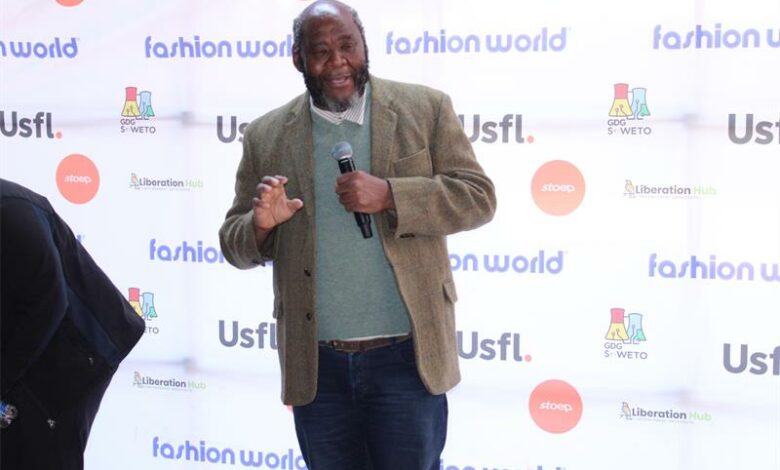
Osman then introduced statistician Dr Pali Lehohla, who delivered an interactive presentation and posed questions to the learners about education and development.
ALSO READ: OPINION: Youth Day exposes gap between speeches and youth reality
Using two screens to display graphs, Lehohla presented statistical data showing the population of white, Indian/Asian, coloured and black African groups from 1975 to 2025.
He then asked the learners to analyse the graphs and explain why the white population appeared in a more favourable position while the black African population was in a lower position.
After the learners shared their views, Lehohla explained that the black, coloured and Indian communities had all started from the same position, but that the Indian community had progressed more rapidly over time.
According to Lehohla, this progress was linked to the Indian community reorganising and establishing its own schools after 1953. Although the communities had initially started on an equal footing, he said the Indian community made significant progress while the black community fell behind.
Lehohla further explained that the graphs initially showed black and white learners spending the same amount of time in school.
ALS READ: New library opens at Luyolo Primary as community celebrates Youth Day
The difference, he said, became evident at university level.White learners would complete their studies, but most black learners would drop out due to lack of funding and resources.
“You have proven that you can compete at the same level in the beginning as whites, but because you are not provided the resources, then you go to waste,” he told the learners.
Following the educational sessions, learners were divided into groups and assigned the task of creating AI-powered websites that could help solve challenges faced in modern society.
The competition formed a major part of the programme and offered prizes for the best project.
The presentations were judged by Tshitereke Clement Mathikhi (the principal of Mdelwande Hlongwane Primary School), Imraan Khalik (the manager of Fashion World), and renowned author and publisher Dr Mothobi Mutloatse, who is recognised as the first independent black publisher during the years of oppression.
The participating schools presented a range of innovative AI website concepts, impressing both the audience and the judges with their creativity and problem-solving skills.
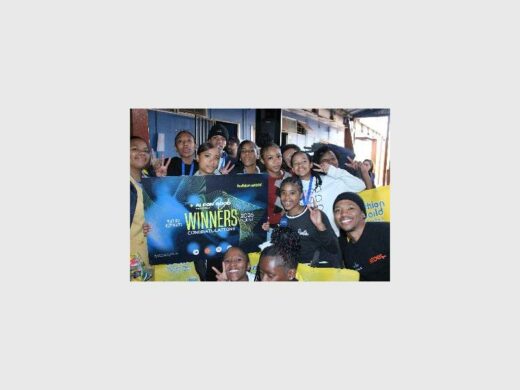
After evaluating all entries, the judges declared that Musi Comprehensive Secondary School won.
All competing schools were rewarded with AI laptops, including the host school. Gifts and South African-themed T-shirts were given to learners to mark the end of the Youth Day event.