Gauteng East District hosts Grade One coding workshop in Springs
A hands-on session introduced foundation-phase educators to computational thinking basics ahead of coding’s official 2026 curriculum launch.
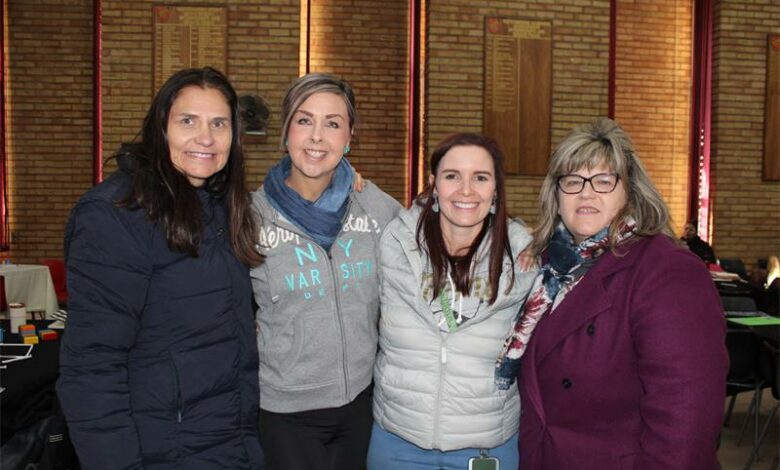
Teachers from the Gauteng East District are gearing up for the Fourth Industrial Revolution (4IR) through training that enlightened them about coding.
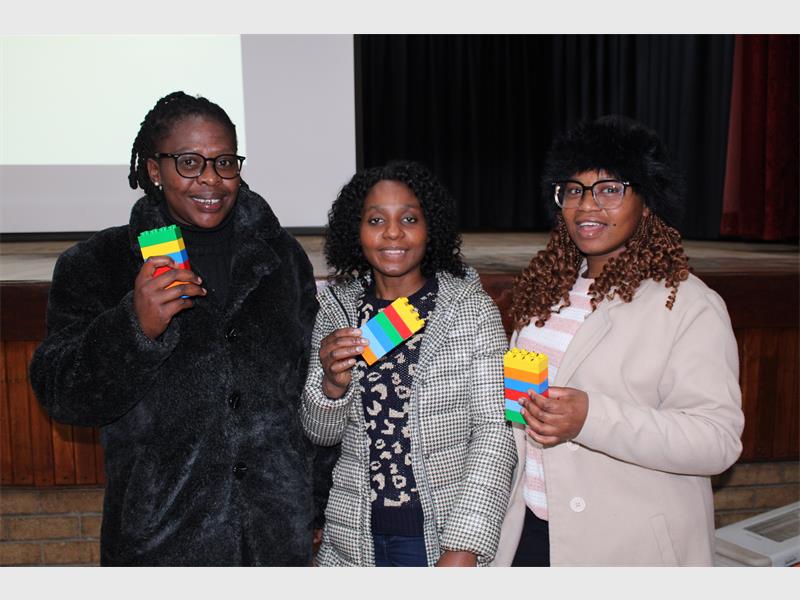
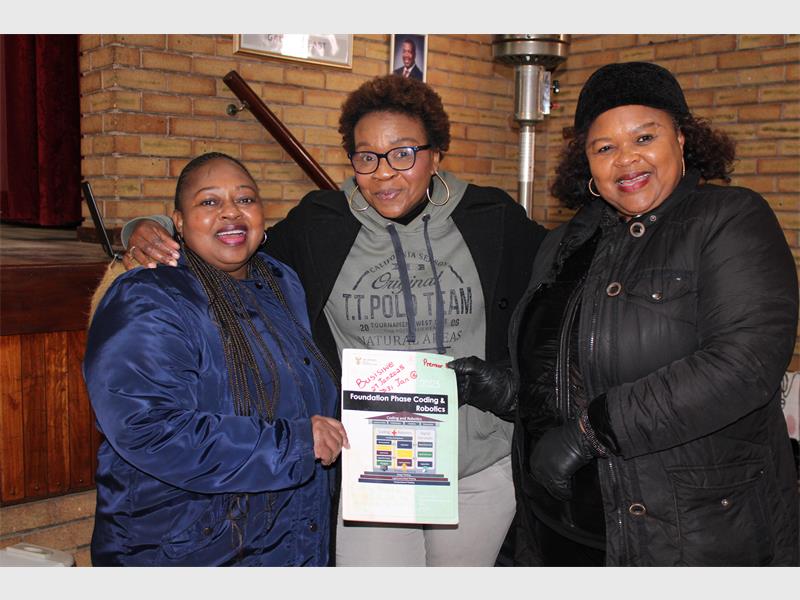
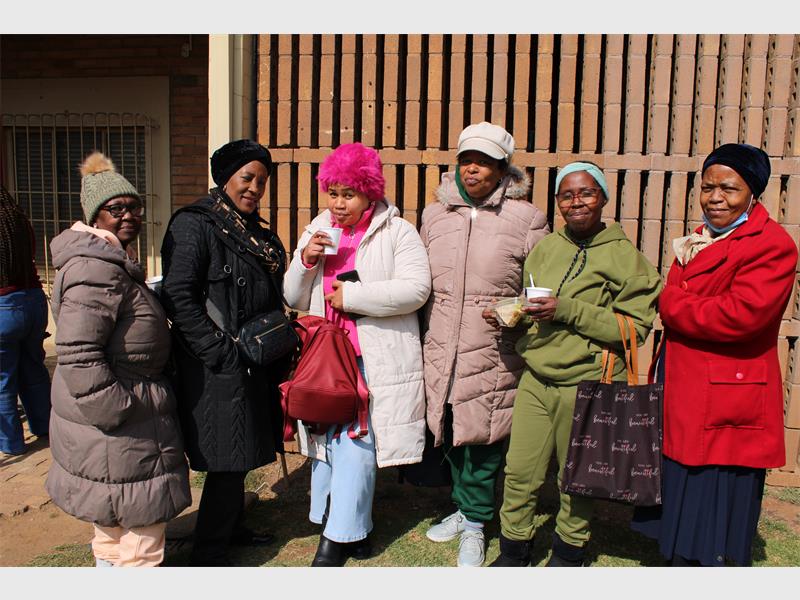
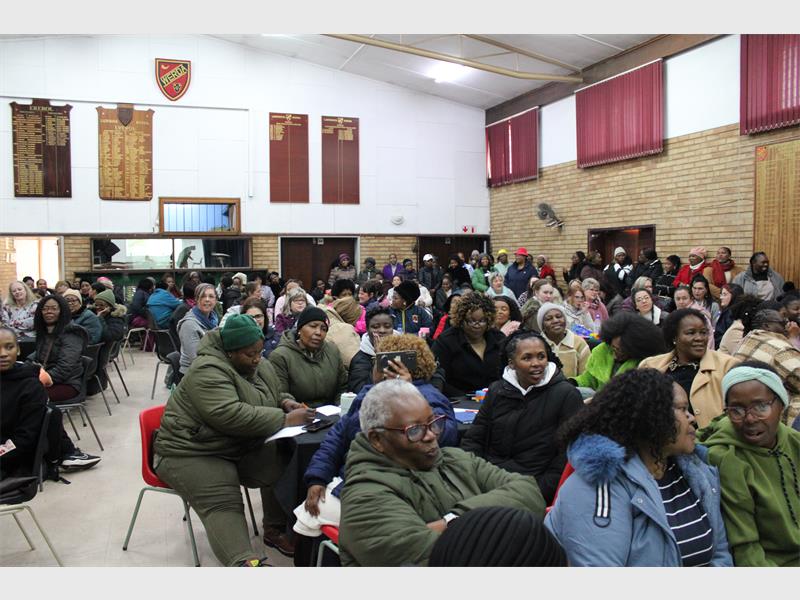
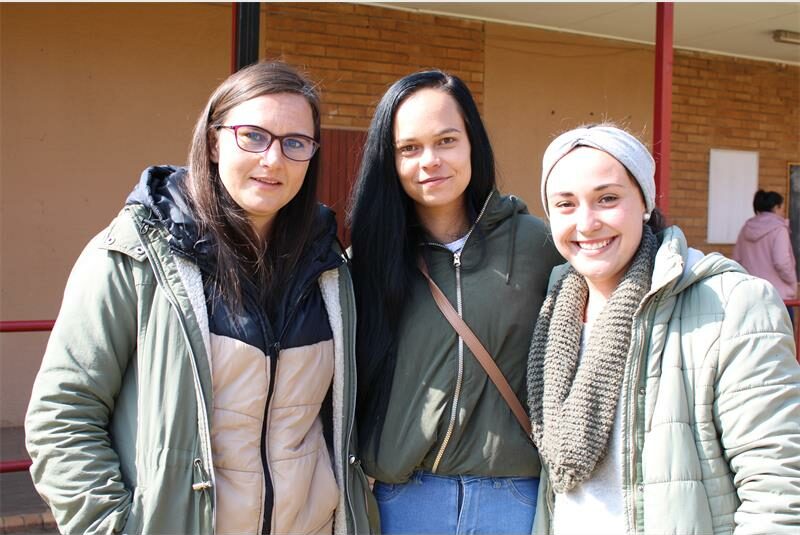
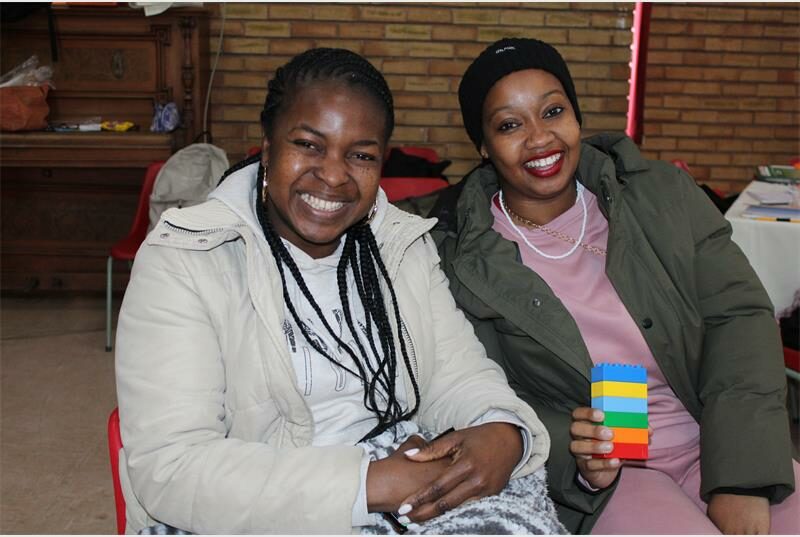
The Grade One teachers gathered for a workshop at Laerskool Werda on Saturday. Under the theme, Coding Unplugged, the workshop unpacked what coding will look like for Grade One learners. The subject will officially be introduced into foundational phase learning in 2026.
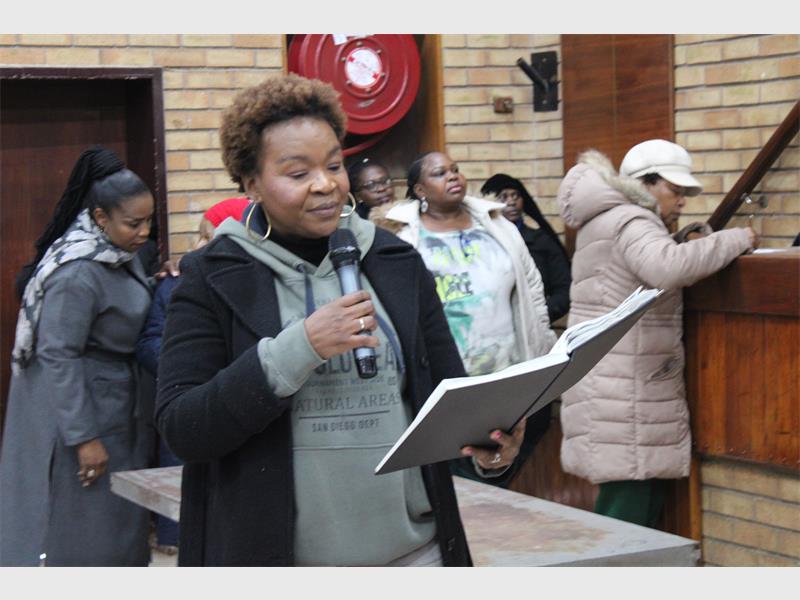
The district subject advisor for mathematics in the foundational phase, Busisiwe Masilela, led the insightful programme, which included engaging activities.
Masilela said the essence of coding is to provide logical instructions that a human and a robot can understand and execute.
“We need to teach our learners to compile hyper-specific instructions, as young as they are. Where there is coding, there is computational thinking,” she explained.
She described computational thinking as both an attitude and a skill set that involves using specific techniques and strategies to accomplish tasks and systematically solve problems.
Computational thinking encompasses abstraction, decomposition, pattern recognition, algorithm design, and debugging, which were explained in detail to the attendees.
Ntikelelo Nogwam from the district talked about the benefits of exposing learners to digital technology from a young age.
“There is a lot of cyberbullying. Our learners have gadgets they don’t even know how to use safely. It is, therefore, important to conscientise them to technology.
“Second, as we are in the 4IR, teachers need to learn how to educate using technology. They can use digital technology to make their lessons more exciting,” she said.
She said implementing coding would equip learners for their careers because they would have the skills for a global market.
“The youngsters learn a lot from these gadgets, including language acquisition and number use. We wanted to start with coding so that by the time we touch on robotics, teachers will have a better understanding,” she concluded.