Traditional healers join nature champs for citizen science awareness and clean-up in Nigel
Nature champs and local traditional healers joined forces for a river clean-up and citizen science awareness project at the Blesbokspruit empowering the community with tools to monitor water quality and protect the local ecosystem.
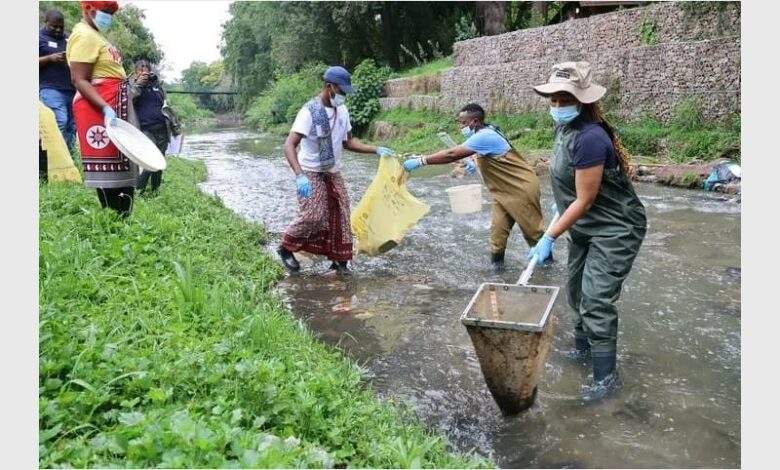
Nature champions from Nature Speaks and Responds held a Citizen Science Awareness session and river clean-up on November 23 at the Blesbokspruit River in Nigel, bringing together traditional healers and community members to protect and monitor the local water ecosystem.
Traditional healer and Nature Champ Lebohang Shivambu said the initiative’s main goal is to educate the community about responsible water resource management.
“We aim to raise awareness about caring for our water. Many people don’t realise how quickly a river system can deteriorate if neglected.
“By using simple citizen science tools like MiniSASS, the velocity plank, and the clarity tube, we can show people, especially traditional healers, how to assess the river’s health for themselves.
“These tools make science accessible and help us understand what is practically happening in our aquatic ecosystems,” she explained.
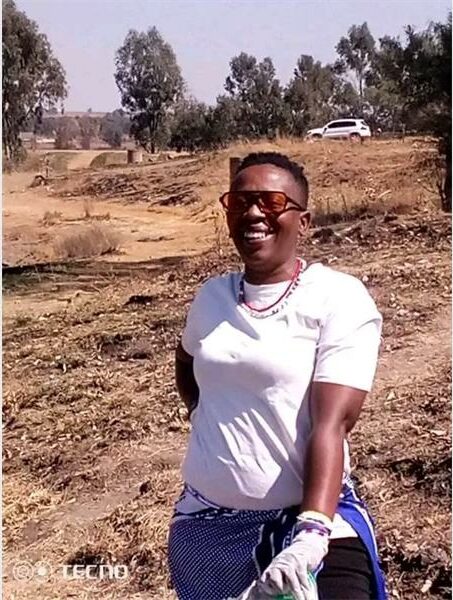
Shivambu said the Blesbokspruit River was chosen because of its daily importance to traditional healers.
“As traditional healers, we come to the river almost every day. It is our office, where we collect water, perform rituals, and connect spiritually.
“Being there so often means we are the first to notice when things go wrong. Over the years, we have observed issues such as illegal mining, the spread of exotic vegetation, and serious erosion along the riverbank.
“These problems don’t just affect us; they impact the entire community that relies on this river. We want to build confidence and knowledge among our people. When healers know how to use these citizen science tools, they become the eyes and ears of the river.
“They can collect information, recognise early signs of environmental stress, and contribute meaningfully to long-term conservation. Education is key to ensuring everyone who depends on the river can play a part in protecting it.”
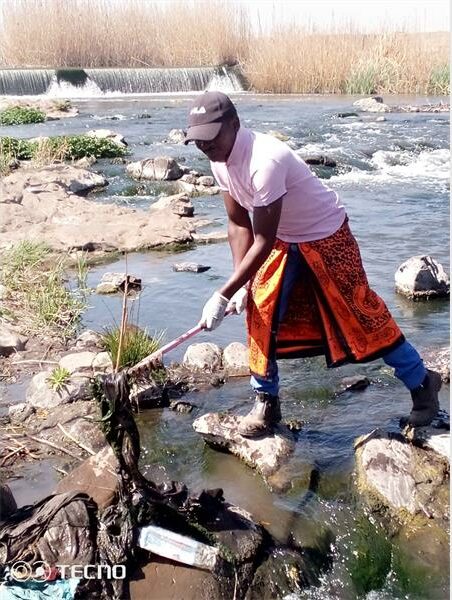
Shivambu added that combining scientific and traditional knowledge is a cornerstone of their work.
“We believe the environment thrives when different knowledge systems come together. Traditional knowledge carries generations of wisdom, while scientific tools provide structured ways to measure change.
“When we combine these approaches respectfully, both the environment and the community benefit,” she said.
The day’s activities included workshops and training sessions that equipped participants with practical skills to collect data and support biodiversity monitoring.
The long-term vision is to train and support local traditional healers to serve as citizen science monitors and data collectors for the area.