
Men encouraged to break stigma around physical and mental health
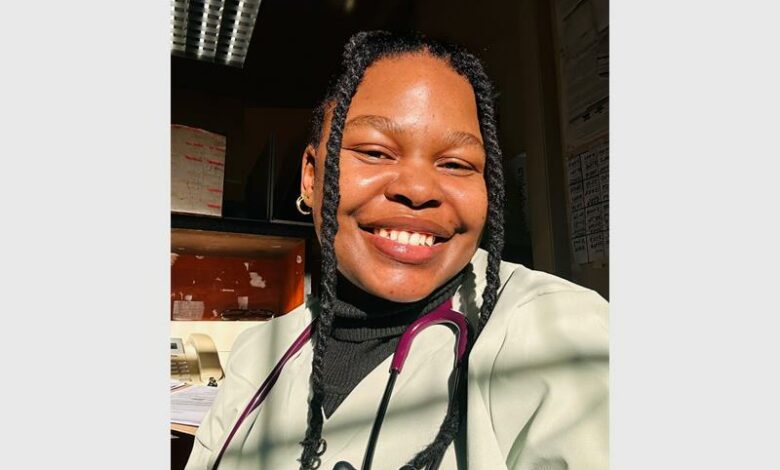
Dr Xola Nondlazi is encouraging men to take charge of their physical and mental well-being through regular screenings and healthier lifestyle choices.
June marks Men’s Health Month, which aims to raise awareness about the health challenges facing men and encourage them to prioritise their physical and mental well-being.
A local doctor, Dr Xola Nondlazi, shared with the African Reporter insights on common health concerns affecting men and the steps they can take to lead healthier lives.
According to Nondlazi, Men’s Health Month serves as an important reminder that men and boys need to seek medical advice and treatment before illnesses become severe.
“The purpose of Men’s Health Month is to heighten awareness of the high rates of preventable health problems and encourage early detection and treatment of disease among men and boys,” she explained.
Nondlazi said men across the country face several major health challenges, with various diseases including cardiovascular diseases, diabetes, infectious diseases, cancer and mental health issues among the leading concerns.
She highlighted that smoking, excessive alcohol consumption, poor diets and physical inactivity contribute significantly to heart disease, strokes and diabetes.
ALSO CHECK: 77-year-old Springs runner makes remarkable Comrades comeback
The doctor shared that diabetes can be called a silent killer because many men remain unaware of their condition until complications such as kidney dysfunction or erectile dysfunction arise.
Nondlazi also pointed to the high prevalence of HIV and tuberculosis, noting that social and cultural expectations often discourage men from seeking medical help or adhering to treatment.
Cancer remains another significant threat, particularly prostate cancer, which is the most commonly diagnosed cancer among South African men.
“The Cancer Association of South Africa estimates that one in 18 South African men will develop prostate cancer. Delayed screening contributes to high mortality rates,” she said.
Mental health is another area of concern. Nondlazi said many men struggle to express their emotions because of societal expectations that they should appear strong at all times.
“In isiZulu, there is a phrase that says ‘Indoda ayikhali’, meaning a man does not cry. This expectation discourages men from showing vulnerability and often leads to untreated depression and substance abuse,” she said.
ALSO CHECK: SANBS calls on South Africans to “Be The Lifeline” this World Blood Donor Day
The doctor attributed this to traditional masculine norms, fear of receiving a serious diagnosis, financial challenges and negative experiences within the healthcare system.
She urged men not to ignore warning signs such as chest pain, one-sided weakness, blurred vision, persistent headaches, urinary changes, blood in urine or semen, persistent coughs, unexplained weight loss, erectile dysfunction, mental health changes and unusual lumps on the body.
“Regular screening is extremely important because many of these conditions are silent and can cause irreversible damage before symptoms appear,” explained Nondlazi.
Nondlazi advised men to begin monitoring their weight, blood pressure and overall health in their 20s.
Screening for conditions such as diabetes, hypertension and prostate cancer should become more regular from their 40s onwards, while cancer screenings become increasingly important later in life.
She also encouraged families to watch for signs of mental health struggles, including changes in sleep patterns, appetite, mood, personal hygiene, concentration and social behaviour.
For men experiencing stress, anxiety or depression, Nondlazi stressed the importance of seeking support from trusted friends, family members or mental health professionals.
“Men need to break the stigma that they must always be tough. Reaching out for help is a sign of strength, not weakness,” he said.
She added that adopting healthier habits, such as eating a balanced diet, exercising regularly, getting enough sleep, avoiding harmful substances, and attending routine health check-ups, can significantly reduce the risk of chronic diseases and improve overall well-being.
Nondlazi called on families and communities to play an active role in supporting men’s health by normalising conversations about physical and mental well-being, promoting health awareness campaigns and encouraging regular medical screenings.
Her message to men this month is to prioritise regular health screenings, make positive lifestyle changes and take their mental health seriously. Early action can save lives.