
Safeguarding personal information a must during the festive season
With the end of the year approaching and those long-awaited holidays around the corner, it is wise to remember to exercise more caution when using electronic banking - whether you are doing online shopping, accessing accounts, or your bank’s rewards programme, says Standard Bank.
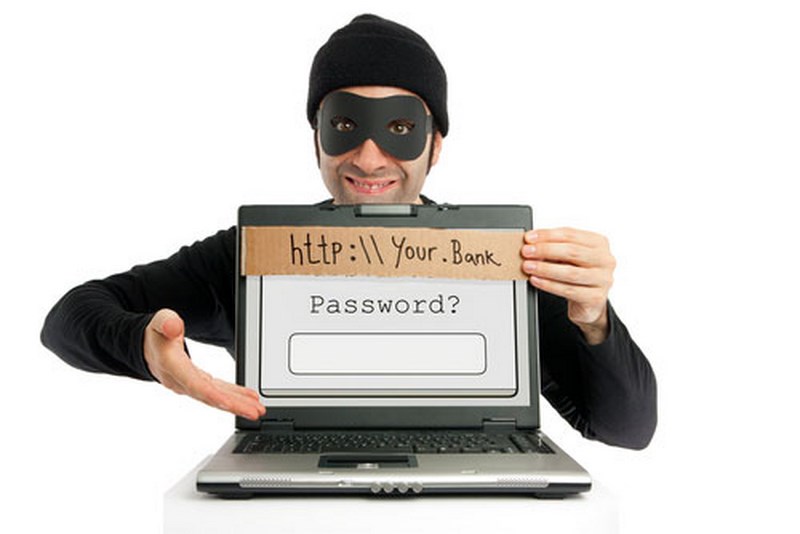
Sugendhree Reddy, Head of Personal Banking at Standard Bank, says it is an unfortunate fact that as the year draws to a close there is an uptick in criminal activity. Fraudsters are aware that many people are receiving annual bonuses and are stepping up activities.
Banks are taking significant steps every day to combat and prevent online fraud such as phishing and other cyber-related threats. While online fraud is not a new issue, it continues to be of concern as perpetrators identify new ways of obtaining the information they need. One of the latest trends is to mimic the look of rewards sites in an attempt to elicit responses from users of legitimate sites.
Ms Reddy says, “We urge all our customers to take care when conducting transactions, particularly when it comes to dealing with unsolicited mails, notifications or web material where personal account information is requested. The biggest weapon against online fraud is always to be informed and alert. With all financial transactions, maintaining a watchful eye over your accounts and security information is vital.”
The objective of being cautious with your financial information is to avoid identity fraud. This occurs when someone steals your personal information and then uses those details to commit fraud. In this case, fraud could include accessing of private information, gaining access to unauthorised physical structures by appearing to be the victim or simply stealing the obvious; customer funds. Usually, you will only find out your identity has been stolen when you legitimately apply for credit and get turned down.
Regardless of whether you have a debit, cheque or credit card, a savings account, or are a member of a rewards programme, your bank will never request you to divulge pin numbers and passwords. Any requests in this regard appearing to originate from the bank should be treated with caution.
To avoid online fraud, Ms Reddy recommends several steps. These include:
- Never divulge your PIN, password and card credentials. A bank will never ask for any of this information via email, telephone or SMS.
- Don’t respond to unsolicited emails requesting personal information.
- Using a password that is unique and not easy to guess. It is best to avoid using Password123, your date of birth, telephone number or other significant personal dates. This information can often be gathered from social websites. Consider changing your password regularly and do not use the same password for all your accounts.
- Many phishing sites are constructed to resemble banks or other reputable companies. Fraudsters use these corporate identities to imitate the real site.
There are several ways of detecting these bogus sites. Look out for:
- Spelling and grammatical errors
- A secure URL will begin with ‘https’ instead of http
- Beware of very long website addresses. These can indicate that fraudulent links are built into the address.
- Never follow any ‘links’ that you are asked to follow. If an email requests that you follow a link to the website of your bank, ignore the request.
- Always log off a site when you have completed what you need to do.
- Check your bank statements regularly to identify any errors or fraudulent transactions that might have been performed on your account without your knowledge.
- Use your bank’s security features to ensure you have a safe and secure banking experience.
- When in doubt, contact your bank.