
Rabies outbreak: How you can prevent and treat the disease
The recent outbreak of rabies in South Africa has brought to light how terrible this disease is and how one need to be vigilant to keep their families safe.
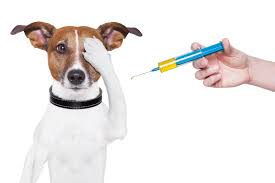
The recent outbreak of rabies in South Africa has brought to light how terrible this disease is and how one need to be vigilant to keep their families safe.
Rabies is a zoonotic disease (a disease that is transmitted to humans from animals) that is caused by a virus. The disease affects domestic and wild animals, and is spread to people through close contact with infectious material, usually saliva, via bites or scratches.
Rabies is nearly always fatal however it is a vaccine-preventable. This is the first and most important thing to do, to vaccinate your pets. Cats and dogs should be vaccinated against rabies at three months and then receive a booster one to nine months later.
Thereafter they should receive the vaccination annually, unless your vet advises differently. In South Africa it is law that pets are vaccinated against rabies and as a pet parent it is your responsibility to ensure this happens.
Life Cosmos Hospital would like to present the following information to protect you and your family against rabies.
Post exposure prophylaxis for persons exposed to potentially rabid animals is quite widely available. Cell culture based human vaccines as well as rabie immunoglobulin.
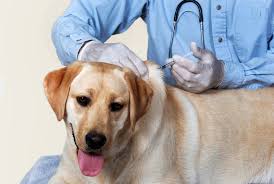
The incubation period for rabies is typically one to three months, but may vary from a week to a year.
The initial symptoms of rabies are fever and often pain or an unusual or unexplained tingling, pricking or burning sensation at the wound site. As the virus spreads through the central nervous system, progressive, fatal inflammation of the brain and spinal cord develops.
Two forms of the disease can follow:
oPeople with furious rabies exhibit signs of hyperactivity, excited behaviour, extreme fear of water and sometimes fear of flying. After a few days, death occurs by cardio-respiratory arrest.
oParalytic rabies runs a less dramatic and usually longer course than the furious form. The muscles gradually become paralysed, starting at the site of the bite or scratch. A coma slowly develops, and eventually death occurs. The paralytic form of rabies is often misdiagnosed, contributing to the under-reporting of the disease.
Remember effective treatment soon after exposure to rabies can prevent the onset of symptoms and death.
oRemoving the rabies virus at the site of the infection by chemical or physical means is an effective means of protection. Prompt local treatment of all bite wounds and scratches that may be contaminated with rabies virus is important.
oRecommended first-aid procedures include immediate and thorough flushing and washing of the wound for a minimum of 15 minutes with soap and water, detergent, povidone-iodine or other substances that kill the rabies virus.
Otherwise it is advisable that after a dog bite or if symptoms of the disease develop to visit the hospital immediately.
You can contact the following Veterinary clinics in Witbank for more information regarding the rabies vaccinations:
Witbank Veterinary Hospital – 013 697 0078
Klipfontein Veterinary Clinic – 013 692 7040
Watermeyer Veterinary Clinic – 013 656 1600
President Veterinary Clinic – 013 690 1937
Should you wish to report a stray animal you suspect has rabies, please contact the Witbank SPCA on 013 650 2321/1360. Emergency line: 083 657 2421
For more information or urgent medical care, please contact Life Cosmos Hospital Accident and Emergency Unit on 013 653 8001.