
It’s nearly African Horse Sickness season again
Some animals contract both the respiratory and pulmonary forms of this disease at once
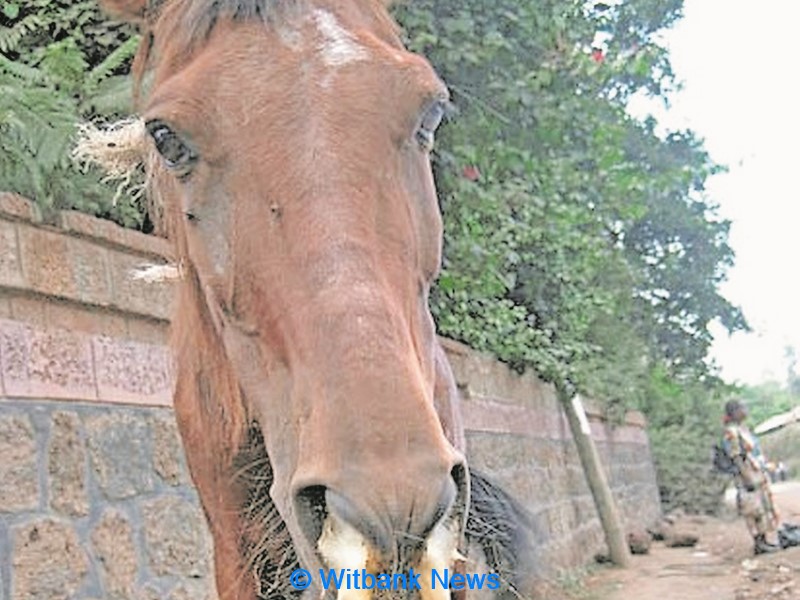
Horses, donkeys, mules, zebras, camels and dogs may be affected by African horse disease.
African horse sickness (AHS) is a serious, often fatal disease.
The virus is transmitted by infected insects and in affected animals causes fever, heart and respiratory problems.
Death is common, and may happen suddenly.
The disease occurs mainly in Africa but there have been outbreaks in Egypt, parts of the Middle East, Spain, Portugal and Morocco.
AHS is transmitted by biting midges (also called “punkies” or “no-see-ums”).
Mosquitoes and biting flies will transmit the virus, too.
Dogs may get infected by consuming contaminated horsemeat (should they eat the meat from a horse that had AHS).
AHS may cause respiratory problems (and even failure), heart disease, or cyclic fever.
Death rates for some types of the disease can be as high as 95 per cent.
The respiratory or pulmonary type is rapid and death usually occurs within hours after symptoms were first spotted.
Signs of sickness include fever, difficulty breathing, coughing, sweating and frothy nostril discharge.
The disease’s cardiac form causes fever and swelling around the eyes, lips, cheeks, tongues and neck.
Some animals contract both the respiratory and pulmonary forms of this disease at once.
The best way to prevent AHS is to reduce your animals’ exposure to biting midges and other insects (e.g. mosquitoes and biting flies).
Stabling the horses in insect-proof housing, particularly when the insects are most active between dusk and dawn, may help prevent exposure.
It may also be useful for insect repellents and insecticides.
At present, only about 50 percent of the horses in South Africa are vaccinated against AHS, many of whom have insufficient protection due to ignorance or non-compliance with the prescribed vaccination procedures.
The danger to the horses that have been vaccinated subsequently increases dramatically because of this.
African Horse Sickness (AHS) is one of several diseases known to affect the livestock economy.
The law also requires horse owners to notify their local state veterinarian of any AHS incidents.
The Act also requires all equines (horses, donkeys, and mules) to be vaccinated with an approved AHS vaccine at least once per year.