
Everything you should know about diabetes
Diabetes is a lifelong (chronic) disease in which the body cannot process sugar properly. Diabetes is also called ‘diabetes mellitus’ or sugar diabetes.
What is diabetes?
The disease develops when the pancreas is no longer able to produce the hormone insulin, or when the body cannot properly use the insulin it produces. When people who have diabetes eat glucose, which is found in certain foods, it cannot be converted into energy, and it remains in the blood. Your blood needs to always contain sugar as available energy, but too much sugar is not good for your health.
Types of diabetes
• Type 1 diabetes develops in patients with certain genotypes, who then encounter a secondary hit, such as a viral infection. None or very little insulin is produced by the body.
• Type 2 diabetes develops due to poor lifestyle choices and is driven by obesity. The body is resistant to insulin and this is coupled with less insulin being produced over time.
• Gestational diabetes is specific to pregnancy and is usually limited to gestation.
• There are other types of diabetes that develop from hormonal causes, pancreatic problems or infections, or are drug-induced or genetic, and some are immune-medicated forms.
Signs and symptoms of diabetes
Some of the diabetes symptoms could include:
• Unusual thirst
• Frequent urination
• Unusual weight loss
• Extreme fatigue or lack of energy
• Blurred vision
• Frequent or recurring infections
• Cuts and bruises that are slow to heal, boils and itching skin
• Tingling and numbness in the hands or feet.
South Africa is seeing a steady increase in type 2 diabetes, which is linked to obesity, a sedentary lifestyle and poor lifestyle choices such as smoking and excessive consumption of alcohol.

Since many people with type 2 diabetes may show no symptoms, it is important to have your glucose levels checked as part of regular screenings, particularly if you have a family history. Diabetes is a serious condition which can cause permanent damage to the organs if it goes undetected.
Are you at risk for diabetes?
The likelihood of developing diabetes is much higher if you:
• Are over 40 years or older
• Are overweight
• Have a family history of diabetes
• Have high blood pressure (above 140/90)
• Have low HDL (good cholesterol) and high levels of other lipids (fats)
• Have had diabetes during pregnancy and delivered a large baby (4kg or more)

Long-term complications
• Peripheral neuropathy – loss of sensation in the feet
• Nephropathy – kidney disease
• Retinopathy – eye problems
• Cardiovascular diseases
• Other complications may also damage your nerves, teeth and gums.
Were you diagnosed with type 2 diabetes?
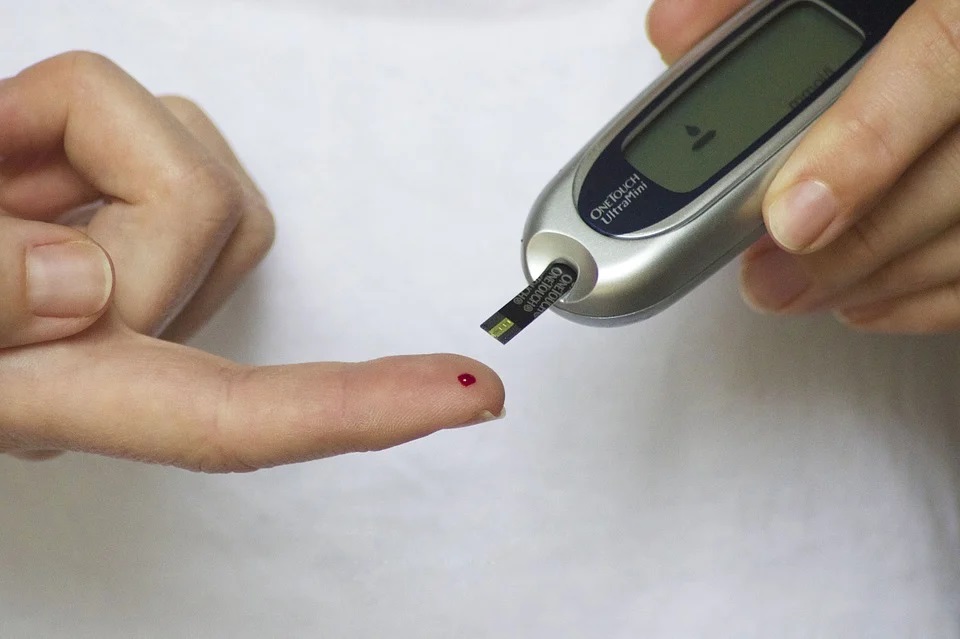
It is important to have a glucometer, available at your pharmacy. You have to monitor your blood sugar level on daily basis to determine the progress of the therapy. You need to work with a healthcare provider to create a plan for managing your health.

What can you do to prevent or manage your diabetes?
Managing diabetes means you need to:
• Eat healthy food everyday
• Be physically active
• Where applicable, take your diabetes medication as prescribed
• Test your blood sugar levels.
For more information on diabetes management, contact christelle.matthee@lifehealthcare.co.za.