
Hypertension: know your facts
Hypertension is known as high blood pressure (HBP), which is a long-term medical condition in which the blood pressure in the blood vessels is persistently elevated.
What is high blood pressure?
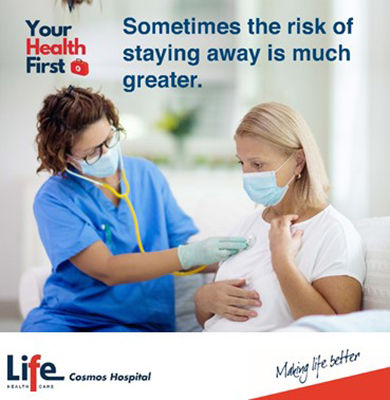
High blood pressure (HBP) occurs when blood pressure increases to an unhealthy level. Your blood pressure level depends on the amount of blood your heart pumps, as well as the amount of resistance to the blood flow in your arteries.
The narrower your arteries are, the higher your blood pressure will be. High blood pressure is so dangerous because, over time, it could lead to problems that affect the heart and blood vessels of the body.
Signs and symptoms of high blood pressure
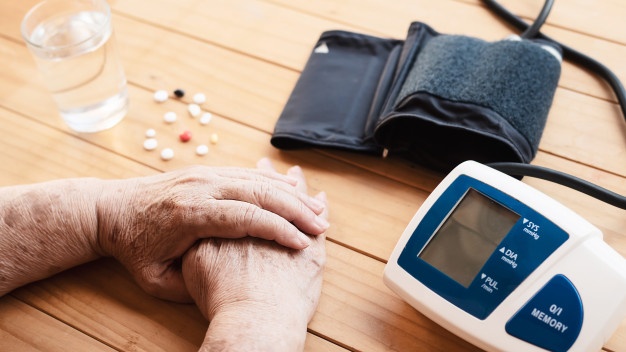
Often referred to as a “silent killer”, hypertension sometimes has no symptoms. It could take years for high blood pressure to reach a level that is severe enough to show symptoms.
Symptoms of severe high blood pressure could include:
• Headaches
• Shortness of breath
• Nosebleeds
• Dizziness
• Chest pain
• Visual changes
If you experience any of these symptoms and particularly if you have high blood pressure, see your doctor immediately.

What causes high blood pressure?
The most common type of hypertension is called primary hypertension. Experts believe it is tied to a family history of hypertension, eating too much salt and an overactive sympathetic nervous system.
Secondary hypertension usually has a specific cause and is only found in around 5 to 15% of people with HBP. It is more common in younger individuals. In these cases, it is important to identify HPB as early as possible, since some of the causes may be treatable.
Risk factors for developing high blood pressure:
• Age and family history
• Smoking and drinking too much alcohol
• Being overweight
• Lack of exercise
• Too much salt or too little potassium in your diet
• Stress and anxiety
• Certain chronic conditions (such as high cholesterol, diabetes, kidney disease)
• In some cases, pregnancy
• Medication such as non-steroidal anti-inflammatory agents used to treat pain and the combined oestrogen-progesterone oral contraceptive pill.
What are the long-term effects of hypertension?
Long-term effects include:
• Heart attack or stroke
• Aneurysms
• Heart failure
• Kidney failure
• Loss of vision
• Sexual dysfunction.
Reading your blood pressure
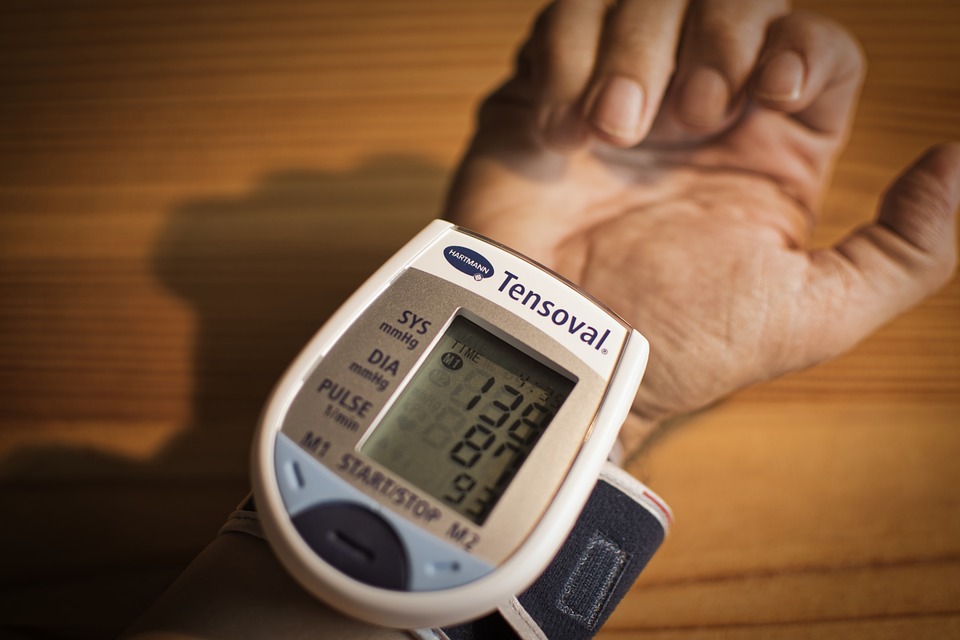
The most accurate way to check if you have high blood pressure is to go for regular blood pressure readings. A blood pressure reading is measured in millimetres of mercury (mmHg) and recorded with the systolic number first, followed by the diastolic number.
A systolic measurement measures the pressure in your blood vessels when your heart beats or contracts, while the diastolic is the pressure when your heart rests between contractions.
An optimal BP reading is under 120/80 mmHg; however, a systolic reading under 130 mmHg and a diastolic reading of less than 85 mmHg are still considered to be within the normal range.
How is high blood pressure treated?
Lifestyle changes can be helpful in controlling HBP:
• Decrease the amount of salt in your diet
• Maintain a healthy weight
• Increase physical activity
• Limit alcohol consumption and quit smoking
• Manage stress
• Monitor your blood pressure at home.
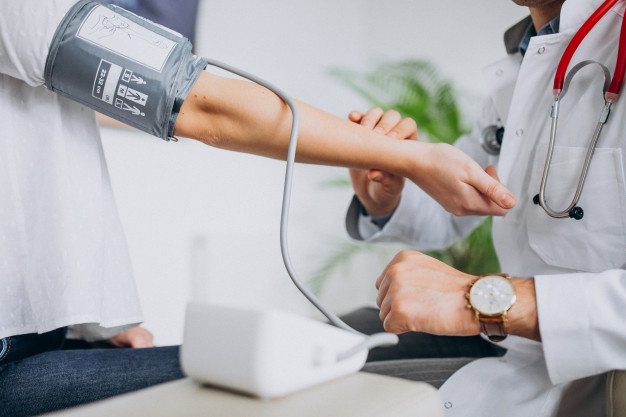
Most patients will require medication in addition to lifestyle changes to adequately control their BP. In general, aim for ≤130/80 mmHg, while ≤140/90 mmHg is acceptable in those over 65.
For more information about hypertension, contact Christelle Matthee on christelle.matthee@lifehealthcare.co.za.