When fever becomes an emergency
When you have a fever, it is usually a sign that your body is trying to fight off an infection. A fever is essentially any situation when core body temperature (correctly measured with an appropriate thermometer) is more than 38°C.

When can you treat a fever at home?
The rate of temperature increase can be as significant as the absolute high temperature. Initially, unless a patient is otherwise significantly unwell, low-grade fevers can be managed via appropriate clothing, a cool environment, and over-the-counter antipyretics (fever-reducing medication such as aspirin or paracetamol, if a healthcare practitioner has previously advised those are safe medications) for a couple of days at home. If fever symptoms and the fever persist, consult a doctor.
There is no real definition of a high fever, but more than 38.5°C usually requires a clinical diagnosis if not settled by using over-the-counter antipyretics.
Most reliable way to measure a fever
A properly calibrated thermometer (e.g. digital scanner) or rectal thermometer is the best way to measure temperature. Skin and oral temperature readings are less reliable.
How does fever treatment differ in infants and children?
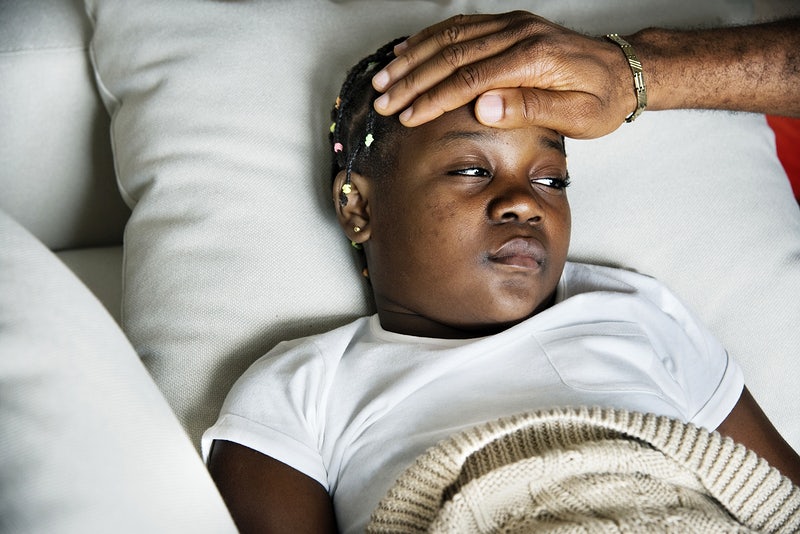
Fever treatment in babies and children is similar to adults, but recognising that children relay symptoms less reliably and can also suffer from febrile convulsions (a fit or seizure that occurs in children when they have a high fever) more easily.
Therefore, generally, one intervenes a little sooner with the same fever treatment strategy: remove unnecessary clothing, cool the environment and use over-the-counter medication. A fever can cause dehydration and it’s important to offer babies and small children liquids frequently to prevent this from happening.
When to go to an emergency unit
So how long should you wait before going to an emergency unit if you have a fever?
If after two days of trial therapy at home (on oral antipyretics) your temperature is still high, consult a doctor. A fever combined with other symptoms, such as chest pains or breathing difficulties, should always be checked out immediately at the emergency unit. The fever itself is not an indicator of severity.

Fever associated with skin wounds, rashes and a recent travel history should also always be checked out. If you have fever and persistent respiratory symptoms not resolving at home after a few days, consult your general practitioner.
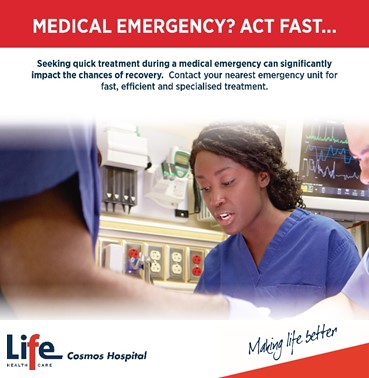
Life Cosmos Hospital offers emergency medical services 24 hours a day, seven days a week. Doctors, experienced nursing staff and specialists are available to ensure every patient receives the best emergency care. Our emergency units remain open at all times.
For more information, contact christelle.matthee@lifehealthcare.co.za or call the Emergency Unit on 013 653 8001/2.
The information is shared on condition that readers will make their own determination, including seeking advice from a healthcare professional. E&OE. Life Healthcare Group Ltd does not accept any responsibility for any loss or damage suffered by the reader as a result of the information provided.
Click here for more information.