
Alcohol sales ban hits industry hard
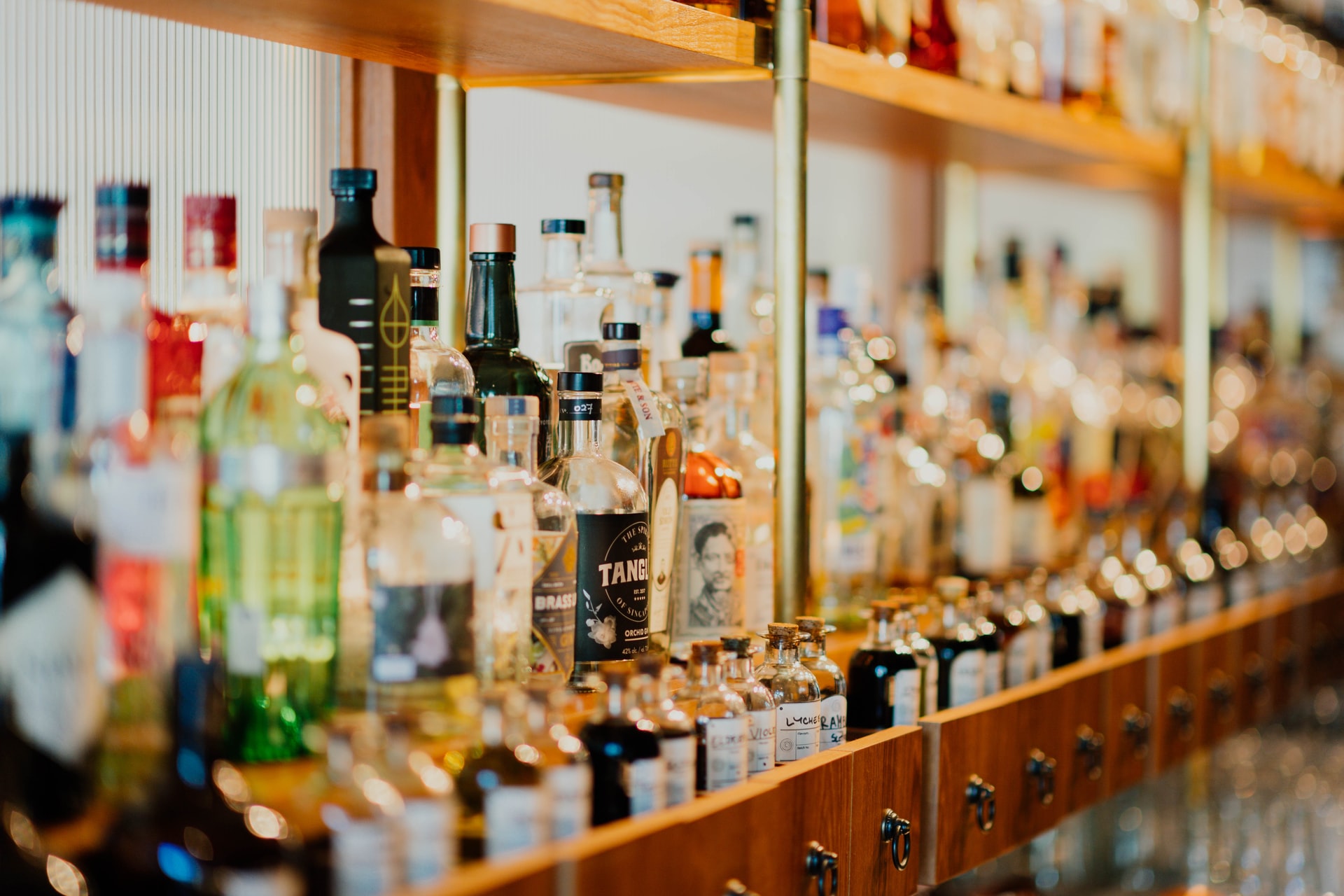
Alcohol industry employees and business owners expressed their disappointment about the banning of alcohol announced by President Cyril Ramaphosa on Sunday.
Ramaphosa said as the country headed towards the peak of infections, it was vital people not burden clinics and hospitals with alcohol-related injuries that could have been avoided.
Beer Association of South Africa CEO said Patricia Pillay they were disappointed with the decision as it was going to have a devastating impact on the lives supported by the industry, including many small businesses.
“We fear that many small businesses may not recover this time around. During the nine-week lockdown, we saw up to 100 000 jobs lost. We understand the government’s concerns over the link between alcohol and trauma cases in hospitals. That is why we want to work with the government to come up with joint solutions.”
Pillay said the industry was “engaging on the way forward”.
“However, our priority is to engage with the government on how to come up with joint solutions to save lives while also protecting jobs and small businesses.”
An employee, who works in the liquor industry as a teller, said things were going to be even tougher for him than the first time round.
“I was ready the first time alcohol sales were prohibited because I had savings. But now my savings are gone. Now I will have to choose between paying rent this month and going hungry – or buying food and face being evicted. I have a baby to feed and baby things are very expensive. I cannot afford to be homeless.”
Thabang Monametsi a tavern owner in Soshanguve said his son, who was in matric this year, would have to stay at home for the next month because he did not have money to pay for his fees and transport.
“This is our only income as a family. We cannot afford to be paying his transport fee and school fees because we do not even know when the ban will be lifted. I also have two employees who will now have to lose their income and those people have families too.”
Monametsi said some alcohol consumers would resort to buying alcohol illegally – at very high prices.
“We saw it during the first ban on alcohol. Some owners were selling alcohol illegally and at ridiculous prices to survive. People were buying alcohol at three times the regular prices. Also, the cheap alcohol industry (umqombothi and pineapple) grew while we as owners suffered.”
Notice: Coronavirus reporting at Caxton Local Media aims to combat fake news
Dear reader,
As your local news provider, we have the duty of keeping you factually informed on Covid-19 developments. As you may have noticed, mis- and disinformation (also known as “fake news”) is circulating online. Caxton Local Media is determined to filter through the masses of information doing the rounds and to separate truth from untruth in order to keep you adequately informed. Local newsrooms follow a strict pre-publication fact-checking protocol. A national task team has been established to assist in bringing you credible news reports on Covid-19.
Readers with any comments or queries may contact National Group Editor Irma Green (irma@caxton.co.za) or Legal Adviser Helene Eloff (helene@caxton.co.za).
Read original story on rekordnorth.co.za