
Zika-microcephaly link challenged
A physicians' study has linked Brazil's recent microcephaly cases to a Monsanto larvicide, not the Zika virus
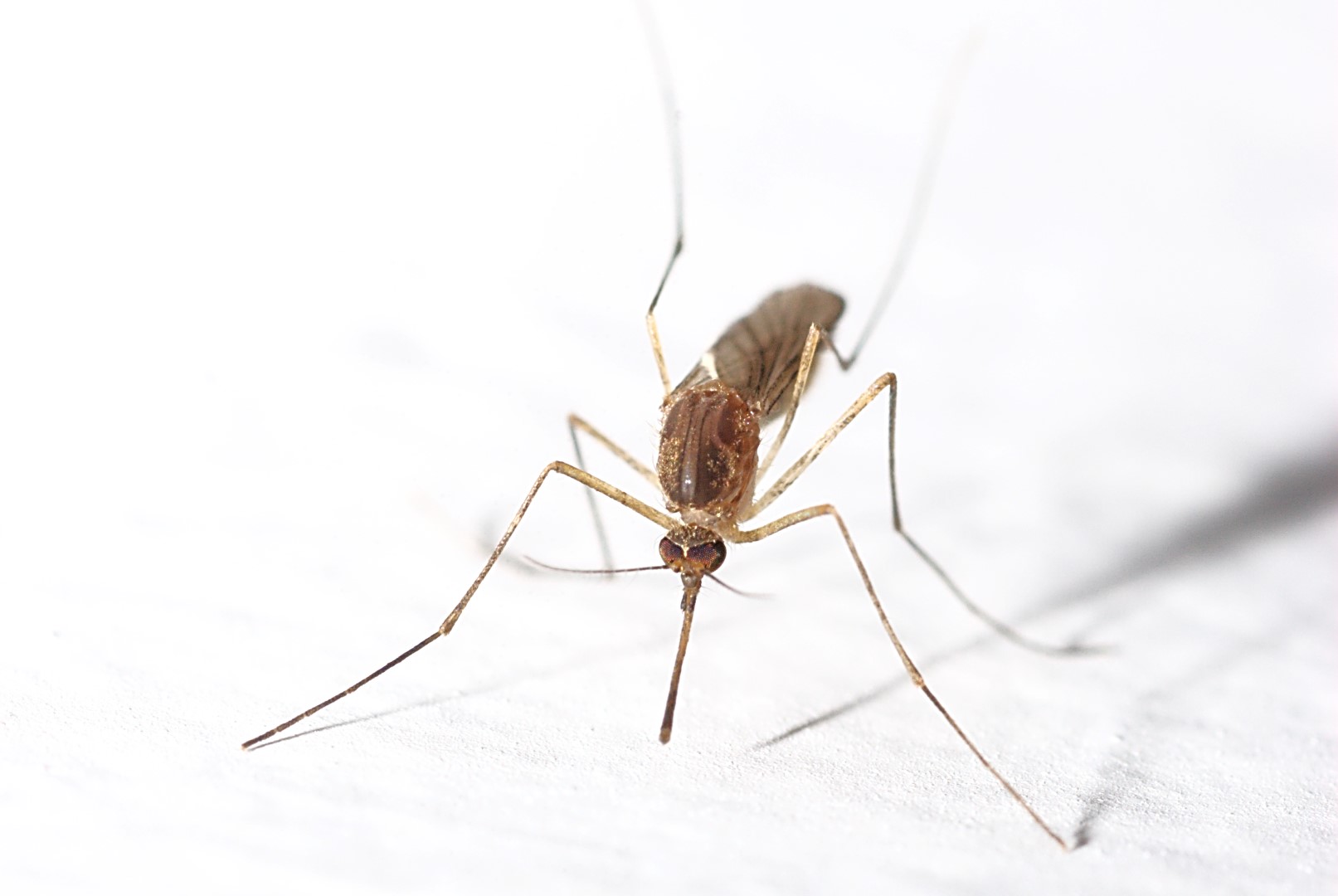
THE world may have gone quiet on the drastic increase of microcephaly among Brazil’s newborns but a group of physicians has published its findings, turning on its head the debate about whether or not Zika is the cause.
As published in GM Watch earlier this year, the Argentine Doctors’ Organisation released its findings in a report entitled Physicians in the Crop Sprayed Towns.
The report challenges the theory that the mosquito-carried Zika virus is responsible for the dramatic increase in microcephaly cases. While the Brazilian Ministry of Health quickly linked the Zika virus to the microcephaly increase, the report accuses the ministry of failing to recognise that, in the area with the highest proportion of microcephaly cases, a chemical larvicide that produces malformations in mosquitoes was introduced into the drinking water supply just two years ago.
The poison, Pyriproxyfen, is manufactured by Sumitomo Chemical, a Japanese strategic partner of Monsanto. Pyriproxyfen is a growth inhibitor of mosquito larvae, which alters the development process from larva to pupa to adult. This can kill or disable mosquitoes as they develop and it inhibits the development of adult insect characteristics such as wings and mature external genitalia. It also causes birth defects, according to the physicians.
The report also stated that, of the 404 confirmed microcephaly cases in Brazil at the time of the physicians’ investigation, only 17 tested positive for the Zika virus. Furthermore, Zika has traditionally been labelled a relatively benign disease which had never been associated with birth defects even in areas where it infects 75% of the population. While the physicians seem adamant that Zika cannot be responsible for microcephaly, the World Health Organisation (WHO) and other global bodies still maintain that it is.
Source: GM Watch