
Cat sterilization project in Zini
A date will be set for the project as soon as the R15 000 target is reached
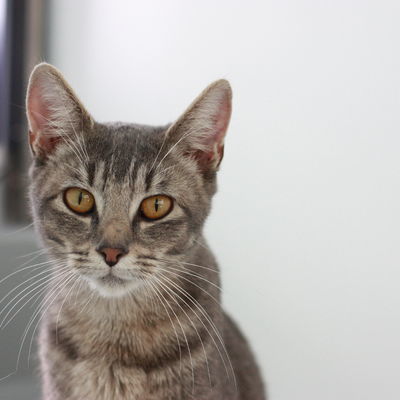
MTUNZINI resident Michealla Fisher-Botha, with the help of a group of volunteers, has taken it upon herself to improve the lives of cats in the village.
Animal Allies, a non-profit organisation based in Gauteng, will support the initiative and will travel to Mtunzini over two days to sterilise a minimum of 60 feral cats, as well as de-worm and innoculate them against rabies using the Trap-Neuter-Return method.
However, the initiative comes with R15 000 price tag, or R250 a cat, to succeed, and Michealla is calling upon the community to pitch in to prevent thousands of new, unwanted feral cats in the area.
Residents are also invited to contribute to the larger picture by bringing and paying for their own cats to be sterilised, de-wormed and inoculated.
Volunteers have set up a donation table, available at the Morning Market in Mtunzini, every Saturday between 9 and 11am, and will also be organising a lucky draw for designer fragrances worth R9 500 at R 150 a ticket to encourage donations.
A date will be set for the project as soon as the R15 000 target is reached.
To get involved or set up a similar initiative in your area, contact Michealla on 072 9071467 or michaellafb@gmail.com
What is TNR?
TNR involves humanely trapping feral cats living in cities, towns and rural areas and transporting them to a veterinary clinic where they are spayed or neutered.
They also receive a health check, vaccinations, and can be treated for routine medical conditions.
After surgery, the cat recuperates for a day or two and is then returned back to his colony habitat.
By reducing or eliminating mating, fighting and wandering, TNR makes cat colonies more stable, impacts the influx of newcomers, and improves the health of the cats.
Since the cats are no longer reproducing, the colony will gradually diminish in size.
However, TNR works only if entire colonies are stabilized. Trapping 95% of the cats in a colony will not stabilize the colony.
By stabilizing entire colonies at each food source, ultimately all food sources will be used for sterilized cats and unsterilized cats without food sources will not survive.
All sterilized cats have tipped ears, thus making it possible for caretakers to differentiate between cats that have already been sterilized versus the ones that have not.
HAVE YOUR SAY
Like our Facebook page and follow us on Twitter.
For news straight to your phone invite us:
WhatsApp – 072 069 4169
Instagram – zululand_observer