
Can more rest help you to beat the bulge?
A study has found that those who are sleep deprived are more likely to snack on unhealthy foods
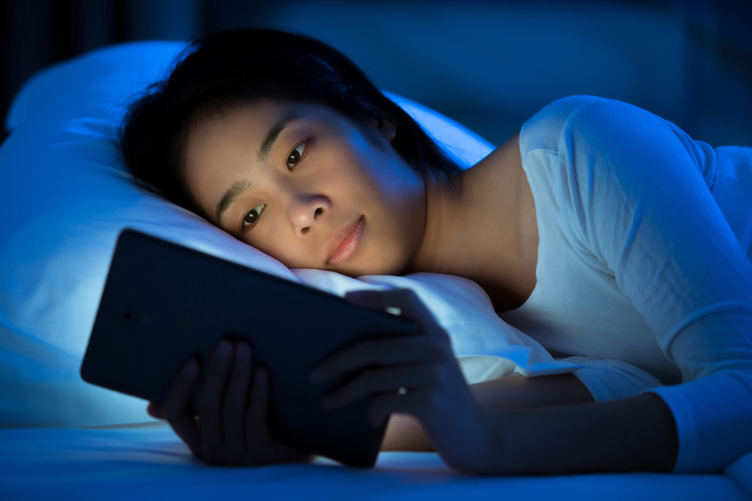
Winter – the time of year when exercise and healthy eating normally take a back seat as colder weather drives us indoors, and drives up our kilojoule consumption.
It’s not just about working harder though. Getting enough sleep is as essential if you want to reach your goal weight, and winter is the ideal time to catch up on your shut-eye.
Studies have shown that sleep deprivation may affect your appetite hormones (leptin, ghrelin and insulin), causing you to feel hungrier, burn fewer calories, and store more fat.
A study by the University of Chicago found that people who were sleep deprived were more likely to snack on unhealthy foods such as cookies, candy and chips, even if they’d just had a meal.
‘We found that sleep restriction boosts a signal that may increase the hedonic aspect of food intake, the pleasure and satisfaction gained from eating,’ said Erin Hanlon, a Chicago research associate in endocrinology, diabetes and metabolism.
Another reason for extra snacking is to boost our energy levels, because for each hour of sleep we lose, our body needs extra kilojoules to function.
The problem is that we tend to consume way more kilojoules than our bodies actually need when we’re lacking sleep.
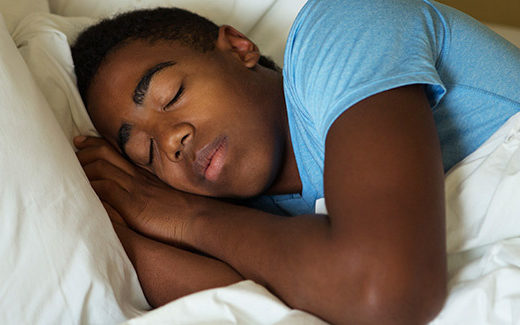
Listen to your internal clock
It’s not just about sleeping enough though, but also about sleeping at the right time.
According to a study by the Northwestern University’s Feinberg School of Medicine in Chicago, people who stayed up late every night and slept late into the morning tended to eat more calories and fast foods, and fewer fruits and veg – and they weighed more than those who got to bed earlier and woke up earlier.
The study also found that eating at the right time made a difference and that the time of day had an influence on metabolism.
‘Human circadian rhythms (your body’s natural 24 hour biological cycle) in sleep and metabolism are synchronized to the daily rotation of the earth, so that when the sun goes down you are supposed to be sleeping, not eating,’ explained Dr Phyllis Zee, medical director of the Sleep Disorders Center at Feinberg and Northwestern Memorial Hospital.
‘When sleep and eating are not aligned with the body’s internal clock, it can lead to changes in appetite and metabolism, which could lead to weight gain.”
‘Staying up late often means you are eating at odd hours late at night, when your body is not able to process the food optimally.’
Give your body what it needs
Not only does sleep impact one’s eating habits, it is also an important time for your bodies to recover.
When we sleep our body releases a growth hormone that stimulates tissue growth and muscle repair, so when you’ve had a good night’s rest, you’re bound to get more out of your gym session the next day.
Not only will you push harder mentally, but you’ll also be stronger physically and tire less quickly.
HAVE YOUR SAY
Like our Facebook page and follow us on Twitter.
For news straight to your phone invite us:
WhatsApp – 072 069 4169
Instagram – zululand_observer
• Sources: uchicago.edu / sleepfoundation.org / berkeleywellness.com / thelancet.com