
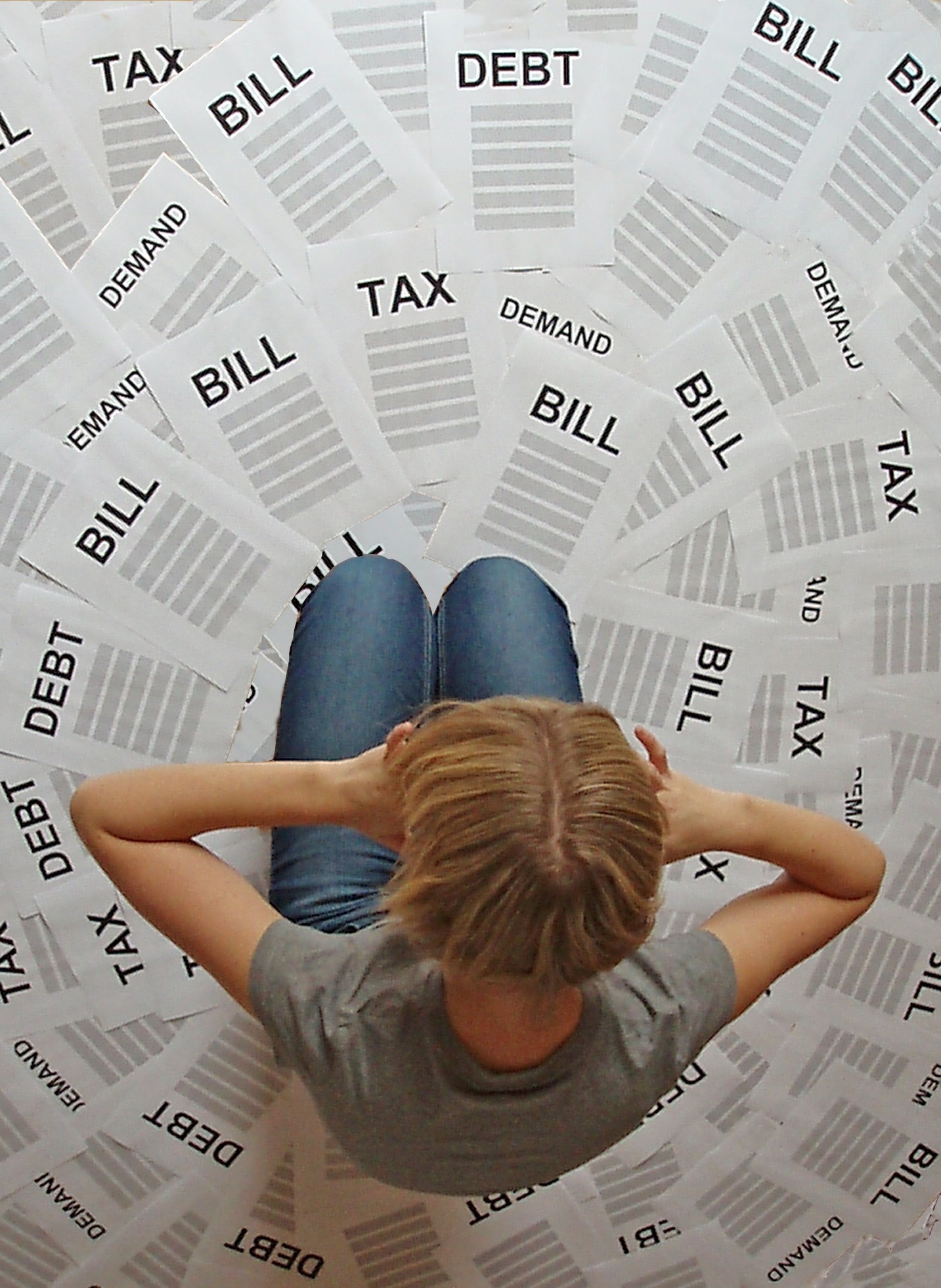
AFTER the Covid-19 pandemic has left most families in financial stress, now is a good time to take stock of your finances as the lockdown measures ease.
As a result of consecutive lockdowns, people had to absorb heavy salary deductions, while many became unemployed, forcing people to take loans to survive.
ALSO READ: Consumers urged to manage their debt
But lenders are, or soon will be asking for their money back.
Although things may seem to be returning to normal, it is still a very difficult and uncertain environment.
Therefore, consumers need to focus on what they can control so that they can put themselves in a better position to deal with any setbacks as the economy starts to recover.
Following these three steps should help:
Assess where you stand financially
Do an honest assessment of your financial situation to get perspective on where you are and set some goals and keep track of progress. Alternatively make an expense list, by dividing a sheet of paper into two columns, listing all your income in the left column and all your expenses on the right. Be as honest and thorough as you can.
Use your bank statements of the past few months, bills and receipts to help build an accurate picture of how much you’re spending and on what. It should give you an idea of where you can reduce some expenses and which debts to pay off. Ideally, you should do this exercise every quarter.
Set achievable financial goals
These will depend on financial circumstances and will be different for everyone.
But they should be informed by your own assessment in step 1.
For some it may be planning to pay off short-term or unsecured debt, for others it could be starting an emergency fund to cover unexpected future expenses, while those with some disposable income may consider investments as a good way to grow their money.
The important thing is to be realistic during the timeframe in which you are trying to reach your objectives.
Meeting achievable targets will encourage you to aim higher.
The best approach is to think about a series of steps, ranging from smallest to largest, and then build on them over a longer time horizon.
Once you’ve achieved a few goals, you should get to a position where you’re able to save some money each month. By investing your savings in the right places you can eventually reach your larger, longer-term goals.
Don’t delay
If your assessment in step 1 finds that your monthly expenses exceed your income and you can’t find a way to rectify this, you may need expert help in the form of a debt counsellor.
Find a reputable, registered debt counselling firm with qualified debt counsellors who will give you impartial advice and help you make the right decisions.
Debt counselling is a process regulated by the National Credit Act which allows consumers to pay off their debt over an extended period at lower interest rates.
Reductions of up to 90% on interest rates for unsecured debt can be negotiated. Debt counselling helps you pay at a rate you can afford and retain your assets such as your house and car.
HAVE YOUR SAY Like our Facebook page and follow us on Twitter.
For news straight to your phone invite us:
WhatsApp – 072 069 4169
Instagram – zululand_observer