
National Epilepsy Week: Get informed with Dr Kistensamy
This National Epilepsy Week, Specialist Physician Dr. Sivaisen Kistensamy shares insight into the condition.

In recognition of National Epilepsy Week 2026, Melomed Richards Bay’s Dr SR Kistensamy shares insight into the condition:
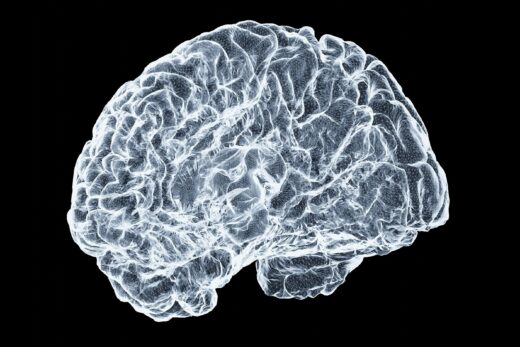
Epilepsy is a chronic noncommunicable disease of the brain that affects around 50 million people worldwide. It is characterised by recurrent seizures – brief episodes of involuntary movement that may involve a part of the body (partial seizures) or the entire body (generalised seizures) – sometimes accompanied by loss of consciousness and control of bowel or bladder function.
What is a seizure?
Seizure episodes are a result of excessive electrical discharges in a group of brain cells. Different parts of the brain can be the site of such discharges. Seizures can vary, from the briefest lapses of attention or muscle jerks, to severe and prolonged convulsions. Seizures can also vary in frequency, from less than one per year to several per day.
Epilepsy diagnosis
Having 1 seizure is not a diagnosis of epilepsy.
Epilepsy can be diagnosed if an individual experiences two or more unprovoked seizures.
Causes of epilepsy
The cause of epilepsy is often unknown, with 50% of cases in the world not having a known cause. However, certain conditions resulting in brain dysfunction can cause epilepsy, such as:
- Brain damage from prenatal or perinatal causes, for example: a loss of oxygen, trauma during birth, or low birth weight;
- Congenital abnormalities or genetic conditions with associated brain malformations;
- A severe head injury;
- A stroke that restricts the amount of oxygen flowing to the brain;
- An infection of the brain such as meningitis, encephalitis or neurocysticercosis,
- Certain genetic syndromes; and
- Brain tumours.

Signs and symptoms
A common epilepsy symptom is an ‘aura’ – a strange sensation the patient may experience prior to a seizure presenting in visual, taste and hearing abnormalities.
This is usually followed by a loss of consciousness, abnormal movements, loss of bowel and bladder continence, tongue biting, and a period of postictal fatigue.
Treatment
Epilepsy treatment is based on the use of antiepileptic drugs. Once medicated, it is possible to be taken off this medication if seizures are absent for two consecutive years.
It is important to note that epileptic patients who are pregnant will need to change their medication during pregnancy.
Patients with epilepsy should also be cautious and avoid high-risk jobs and activities.
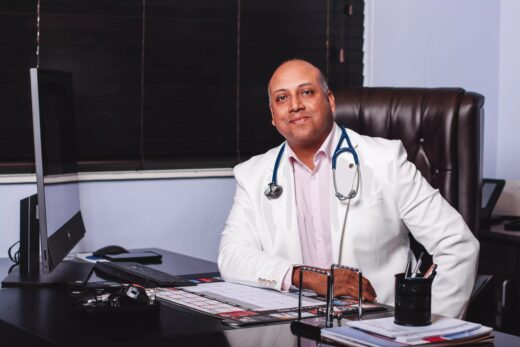
Specialist Physician Dr SR Kistensamy
Dr. Sivaisen Kistensamy is a Specialist Physician and has been practicing at Melomed Richards Bay since 2018. Dr Kistensamy has a message for the community:
“In servicing the community of Zululand I have become very close to the people of this community. I have managed a wide variety of patients with multiple pathologies and have created a great number of relationships with my patients whom have become family, “he says.
“My patients have access to me at any time and I always try to respond to their requests as quickly as possible.
“I truly believe that a doctor should always be humble and understanding. Even when people are being difficult, we have to put ourselves in their shoes to understand where they are coming from.
“I have a keen interest in patients with respiratory and endocrine issues, but as a general physician I am willing to assist as much as I can, or I will endeavour to seek the appropriate super speciality as I believe that a good doctor knows their limits and is willing to seek help in order to best help their patients.
“At the end of the day the patient is always the priority.”

Dr SR Kistensamy
Suite 105, 1st floor, Melomed Richards Bay | Tel: 035 772 1069
MELOMED RICHARDS BAY
CNR of N2 and MR496 (John Ross Highway)
Tel: 035 791 5300 | E: info@melomed.co.za
www.melomed.co.za