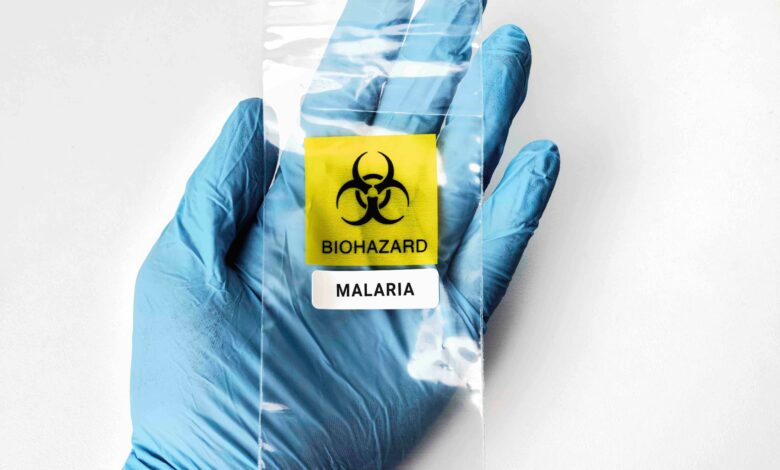
Malaria: what it is and how to prevent it
There are several high-risk areas within South Africa
Summer is in full swing as the blazing hot sun shows no mercy at this time of year – and for the next few months – with temperatures at times reaching in excess of 40 degrees Celsius.
There is also one particularly tiny yet deadly creature that shows no sign of mercy: the mosquito – and with can come the dreaded disease called malaria.
Malaria is an infection caused by a tiny parasite, which can be transmitted to humans if they are bitten by a parasite-infected female mosquito.
Although malaria can be a mild illness with non-specific symptoms such as fever, headache and upset stomach, it can also progress to become severe, and may even be fatal.
Sub-Saharan Africa has some of the highest malaria rates in the world, and even within our borders the health risks posed by this mosquito-borne illness cannot be taken lightly.
Pharmacist Joy Steenkamp of Medipost Pharmacy shares helpful tips and preventions to be aware of.
Who is at risk?
Pregnant women, children under the age of five, and people who are HIV-positive may be at increased risk for malaria and should be particularly cautious when visiting malaria areas.
There are several high-risk areas within South Africa.
If you are travelling to certain parts of Limpopo, Mpumalanga or KZN, taking measures to prevent malaria may be necessary.
Medicines for prevention are known as chemoprophylaxis and are even more important between September and May when malaria is more prevalent.
Preventing malaria
In malaria-endemic areas, strategic prevention strategies, such as insecticide-treated nets (ITNs) are used.
Two malaria vaccines have recently been recommended by the World Health Organisation (WHO) for use in children.
Although these vaccines are licensed within some African countries where malaria poses a major threat to public health, they are not yet available in South Africa.
When travelling to malaria-prone regions, prioritising prevention is crucial and it is advisable to make a concerted effort to minimise mosquito bites during your visit.
Special precautions
Your doctor or pharmacist should advise if you are a suitable candidate for malaria prevention as these medicines may interact with certain chronic medications, such as blood thinners and medications used for HIV and TB.
Furthermore, pregnant women are advised to consult with their doctor to determine the need for malaria chemoprophylaxis. Do not take a chance if travelling to a malaria area these summer holidays.
HAVE YOUR SAY
Like our Facebook page and follow us on Twitter.
For news straight to your phone invite us:
WhatsApp – 060 784 2695
Instagram – zululand_observer