
Return of endangered birds to KZN’s north coast an ‘ecological barometer’ for conservation
Tangible results in KZN bird conservation lauded
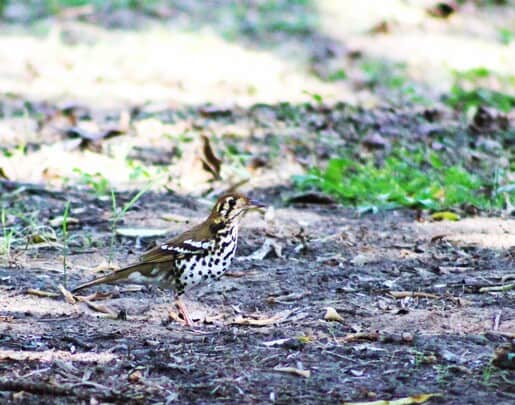
Efforts to restore and preserve natural habitats in KwaZulu-Natal are reaping rewards.
This after the return of several rare migratory bird species to Simbithi Eco Estate on the province’s north coast.
Among these is the spotted ground thrush, which breeds in the Eastern Cape and winters in KZN’s milder climate.
ALSO READ: Hope for the blue swallow: Ezemvelo KZN Wildlife announces new sanctuary for endangered species
This rare and endangered migratory species has already landed in Simbithi, much to the delight of local birders.
Classified as endangered in South Africa due to deforestation and habitat fragmentation, the bird’s presence at Simbithi is a hopeful sign that targeted conservation efforts are yielding real results, said the estate in a statement.
“We’re incredibly proud to host a species as rare and sensitive as the spotted ground thrush,” said Ayanda Duma, environmental manager at Simbithi Eco Estate.
“Its return to our estate is an ecological barometer indicating our efforts to restore and preserve natural habitats is having measurable impact.”
The intra-African migratory African pygmy kingfisher is another winter delight at Simbithi, where it spends the dry season in food-rich areas like those found in the estate’s forests, wetlands and coastal scrublands.
Simbithi’s variety of habitats supports close to 300 resident and migratory bird species, the ‘green lungs’ of such conservation areas becoming increasingly important as the surrounding areas become more urbanised.
They also provide critical stopover points for migratory birds navigating thousands of kilometres.
The return of these birds is the result of years of environmental stewardship by Simbithi Eco Estate’s management team, supported by the estate’s birding group.
These passionate members conduct regular surveys, identify nesting zones, and contribute to citizen science platforms that feed into national and global bird databases such as BirdLasser and eBird.
“These collaborative, community-driven projects show that local action really does have global significance,” said Duma.
“Our data helps international conservationists understand migration routes, track population health, and identify emerging threats to migratory species.”
Don’t have the ZO app? Download it to your Android or Apple device here:


HAVE YOUR SAY
Like our Facebook page and follow us on Twitter.
For news straight to your phone invite us:
WhatsApp – 060 784 2695
Instagram – zululand_observer