New QR code scams are catching consumers
'Quishing' or 'QR code phishing' is catching consumers. If paying via QR code, take note of these warnings and tips.
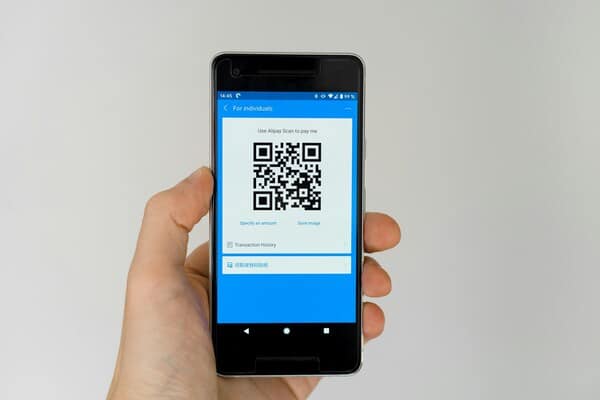
South African mobile users are being warned to stay vigilant following the emergence of a sophisticated new smartphone payment scam targeting digital wallets.
The threat adds fresh financial anxiety for consumers already battling record-high food prices and relentless fuel hikes.
ALSO READ: Beware of social media scams
QR codes have fast become part of our everyday life. Whether it’s paying a restaurant bill, accessing a menu, downloading an event ticket, connecting to Wi-Fi or making a quick payment, chances are you’ve scanned a QR code recently.
They’re fast and convenient, but cybersecurity experts are warning South Africans that QR codes are now part of a scam known as ‘quishing’… and it could cost you thousands.
What is quishing?
Quishing, short for ‘QR phishing’, is a cyber scam that uses QR codes to redirect you to fake websites, unwittingly causing you to download malicious software, or prompts you to pay into the wrong account.
Instead of receiving a suspicious email link, scammers ask you to scan a QR code. The problem is, QR codes don’t always reveal where you’re being directed, making them harder to verify.
These fraudulent QR codes may appear in:
· Emails
· SMS messages
· Social media posts
· Flyers and posters
· Parking payment machines
· Restaurant tables
· Retail promotions
· Delivery notifications
QR code scams to watch out for
1. Fake payment codes
Fraudsters place stickers over legitimate QR codes at restaurants, hotels or other payment points. You unknowingly pay scammers instead of the intended business.
2. Restaurant menu scams
A QR code advertised as a digital menu may redirect you to a fake website designed to steal your information or install malware.
3. Delivery and courier scams
You receive a notification claiming a parcel couldn’t be delivered and are instructed to scan a QR code to reschedule delivery.
4. Fake account verification requests
Scammers pretend to be your bank, streaming service or online retailer and ask you to scan a code to ‘verify’ your account.
5. Discount and reward scams
Promises of prizes, discounts or loyalty rewards must always be treated with caution.
Now scammers are sending QR codes alongside the claims, leading to fraudulent subscription services or payment traps.
How to protect yourself
The good news is that QR codes can still be used safely if you take a few precautions. Before scanning, ask yourself:· Does the QR code look like a sticker placed over another code?
· Does it appear tampered with or poorly printed?
· Is it displayed in an unusual location?
· Is the request urgent or pressuring you to act immediately?
· Can your phone preview the website address before opening it?
Once you scan:
· Check the website address carefully before entering any information
· Never provide banking details unless you are certain the site is legitimate
· Avoid downloading files from unknown QR code links
· Be cautious of offers that seem too good to be true
QR codes have made payments and information sharing easier than ever, but convenience can sometimes create opportunities for criminals. Be alert and stay safe!
SOURCES: www.cloudfare.com | www.mcafee.com
Don’t have the ZO app? Download it to your Android or Apple device here:


HAVE YOUR SAY
Like our Facebook page and follow us on Twitter.
For news straight to your phone invite us:
WhatsApp – 060 784 2695
Instagram – zululand_observer
TikTok – @zululand_observer