Maritime relic recalls seafaring history
Sextant and the City...read all about it
APTLY, as World Maritime Day was celebrated on 24 September, a super item of historical seafaring interest was shared in Empangeni this week.
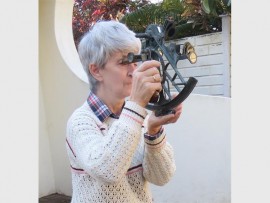
Meg Blyth, retired history buff from St Catherine’s School, inherited her recently deceased husband Freddie’s prized possession – a sextant, in near mint condition, despite its well-worn lifespan.
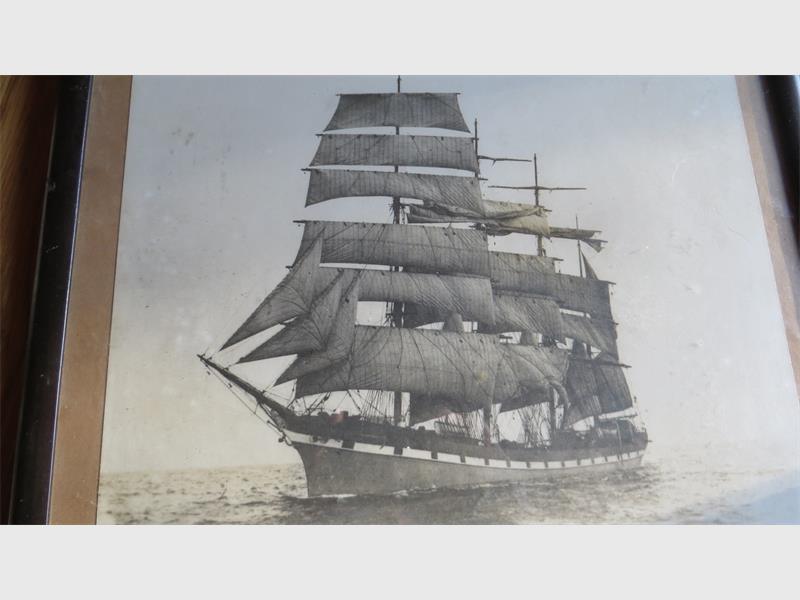
It had previously belonged to Freddie’s father, Robert Blyth, who served as First Mate on the four-masted steel barque Olivebank.
Robert, with his trusted sextant as his guide, led an enthralling if somewhat dangerous life on the ocean waves.
From a family of Scottish seafarers of substance, Robert spent 18 years under sail on the beautiful vessel and served under Capt JN Petrie.
The Olivebank, 326 feet in length and weighing 2 824 tons, was built by Mackie and Thomson in Scotland in 1892 and had an illustrious but wretched history.
Among others, a fire broke out at Port Guaymas and she was scuttled.
Raised and repaired she went on to do many voyages all over the world.
She sailed until as recently as 1939 when she joined the war effort but sailed right into a floating mine which detonated, killing the captain and most of the crew.
Interestingly, a Capt Richard Blyth visited the Cape of Good Hope in 1622 and left post at the famous rock now displayed at the main Post Office in Cape Town.