Embrace the twists and turns of your learning journey
We shine a light on different career paths every week to educate and allow young people to discover new interests.
Selecting the correct career is a crucial decision with far-reaching implications. It is a choice that will shape your future, underscoring the importance of making an informed decision.
Over the next few weeks, The African Reporter will engage with business people, professionals and others, focusing on a specific career every week.
By doing this, we aim to provide valuable guidance to our younger readers navigating their career choices.
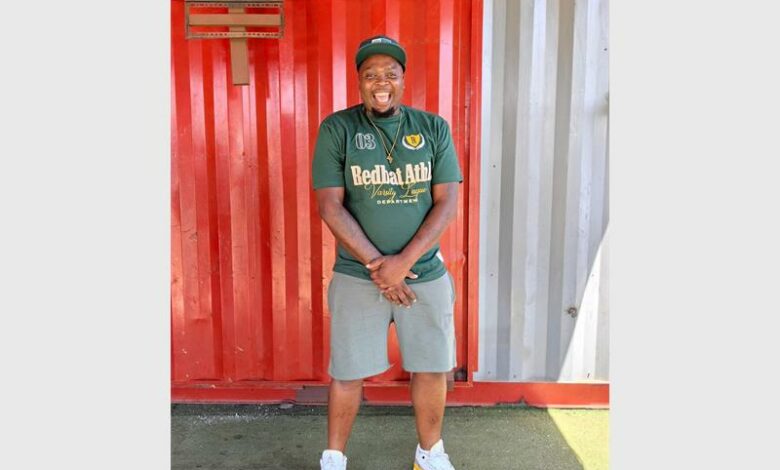
This week, we give a platform to the tattoo artist career. Tshepang ‘Tattooist’ Nooi has been a tattoo artist for 10 years.
“I have always been passionate about art, but wanted to create art that lives on people forever, something deeply personal and meaningful.
“The mix of artistry and human connection led me to this field. Unlike painting on a canvas, tattooing interacts with people’s lives and becomes part of their identity,” explained Nooi.
“Perfection is never reached. We are always evolving. It took me five to six years before I felt truly confident and could tackle almost any style without hesitation.”
What is a tattoo artist?
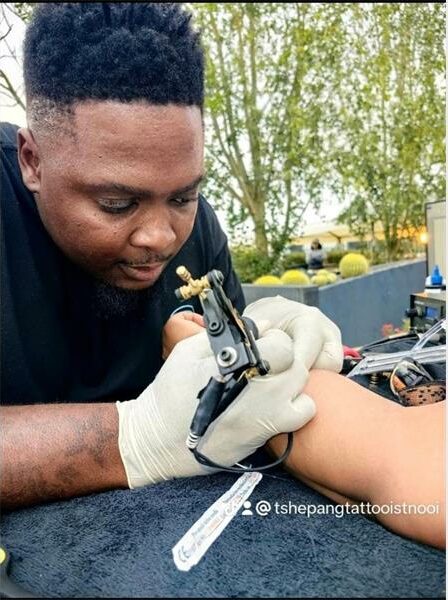
A tattoo artist is a professional who applies permanent designs to the skin using specialised needles and ink. Beyond just applying ink, we are also artists who create meaningful, custom designs that blend creativity, technical skill and safety.
What are the main duties of a tattoo artist?
• Designing custom artwork and consulting clients about their ideas;
• Preparing the workstation, sterilising equipment, and following strict hygiene protocols;
• Tattooing clients with precision and care;
• Advising clients on aftercare for proper healing;.
• Continuously improving skills and staying updated with industry trends.
What education, training, or apprenticeships are needed to start a career in tattooing?
There’s no formal university degree required, but an apprenticeship under an experienced tattoo artist is essential.
This typically lasts one to three years. During that time, you will learn hygiene, machine handling, design techniques and the ethics of tattooing. Many start with an art background, drawing, painting or digital design.
How long does it take to become qualified and independent?
It takes two to four years of apprenticeship and practice before you are ready to work independently. Mastery, however, takes much longer. It is a lifelong process.
What skills are most important
• Strong drawing and shading abilities;
• An understanding of anatomy and how designs flow with the body;
• Technical machine control;
• Colour theory and blending;
• Patience, attention to detail and a steady hand.
What health, safety, and hygiene requirements must tattoo artists follow?
• Sterilising all equipment and using single-use needles;
• Wearing gloves and maintaining a clean studio;
• Proper disposal of sharps and biohazard waste;
• Following local health regulations and getting licensed;
• Educating clients on aftercare to prevent infections.
What challenges do beginners commonly face when starting, and how can they overcome them?
• Finding an apprenticeship (be persistent, show strong art portfolios);
• Machine control (practice on fake skin, fruits or pigskin);
• Building confidence (start small, gain trust with simple designs);
• Client trust (be professional, show reliability).
What careers or specialisations exist in the tattoo industry?
• Realism (portraits, hyper-detailed work);
• Traditional (bold lines, solid colours);
• Japanese, tribal, or cultural styles;
• Blackwork/linework;
• Watercolour tattoos;
• Cosmetic tattooing (permanent makeup, scalp micropigmentation);
• Medical tattooing (scar cover-ups, nipple reconstruction).
How can tattoo artists grow their reputation and attract regular clients?
• Consistently deliver quality work;
• Build an online presence (Instagram, TikTok, portfolio website);
• Treat clients with respect and professionalism;
• Participate in tattoo conventions and competitions;
• Rely on word-of-mouth referrals. Good work markets itself.
What personal qualities or work habits help tattoo artists build long-term success?
• Discipline and patience;
• Continuous learning and humility;
• Good communication skills with clients;
• Clean, reliable and professional work habits;
• Creativity and passion for art.
What are the biggest rewards and potential drawbacks of working as a tattoo artist?
Rewards:
• Turning a passion for art into a career;
• Helping clients express themselves and heal emotionally;
• Flexibility and independence;
• Endless opportunities to grow.
Drawbacks:
• Long hours, physically demanding (back, hands, eyes);
• Dealing with difficult or indecisive clients;
• Inconsistent income, especially when starting;
• High pressure – mistakes are permanent;
• Personal questions (answered in role as a 10-year tattoo artist).
What are the advantages and disadvantages that come with your craft?
Advantages: Freedom, creativity, and seeing clients happy with their tattoos.
Disadvantages: Physical strain, high responsibility and the pressure of perfection.
What advice would you give to someone aspiring to become a tattoo artist?
• Focus on your art skills first (draw every day);
• Be patient and persistent in finding a mentor;
• Learn hygiene and safety seriously. It’s just as important as art;
• Start small, respect the craft and never stop learning.
ALSO READ: Embrace the twists and turns of your learning journey: Becoming a videographer
ALSO READ: Embrace the twists and turns of your learning journey: Becoming a universal banker