Embrace the twists and turns of your learning journey: Becoming a videographer
We shine a light on different careers every week to educate and allow young people to discover new interests.
Selecting the correct career is a crucial decision with far-reaching implications. It is a choice that will shape your future, underscoring the importance of making an informed decision.
Over the next few weeks, The African Reporter will engage with business people, professionals and others, focusing on a specific career every week.
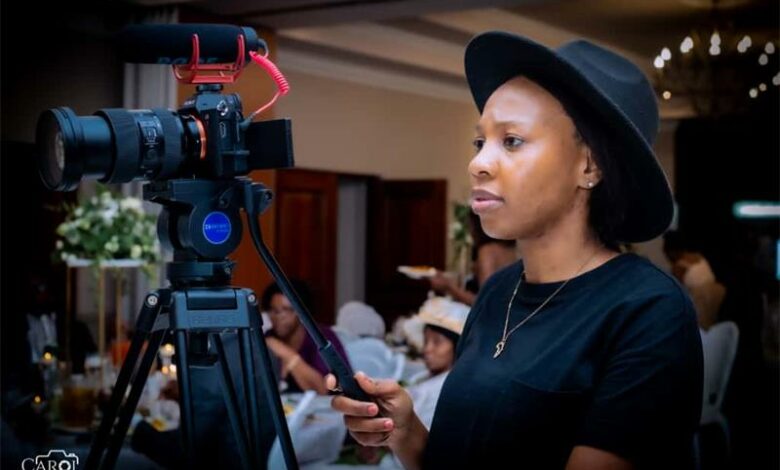
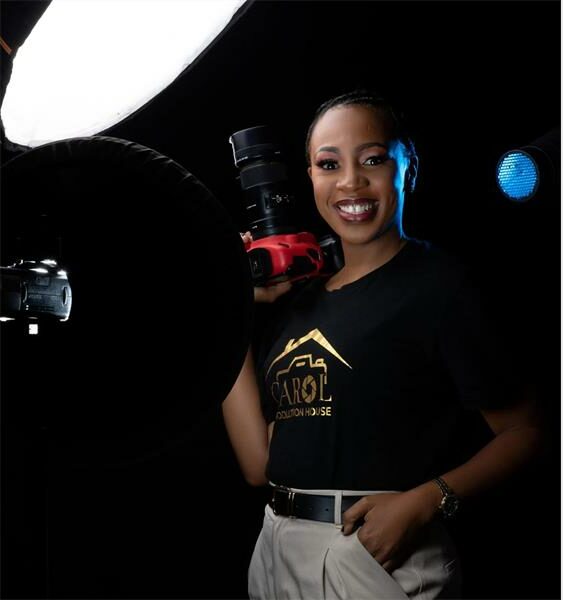
By doing this, we aim to provide valuable guidance to our younger readers in making their career choices. This week, we give a platform to the career of a videographer. Nokufika Maseko has been a videographer for two years and loves exploring her creative skills.
“I express my creativity by capturing motion pictures and editing them into beautiful videos. I love that I can work on my own time, at my own pace and be my own boss,” she said.
What is a videographer?
A videographer captures videos and edits them into a final product.
What does the role involve?
• Capturing video;
• Editing;
• Sound cleaning;
• Adding music;
• Colour grading;
• Producing a final video.
Where can someone study to become a professional videographer, and are there short courses or degrees available?
I joined an online videography course I found on social media. It had various tutorials. I also went to the National Electronic Media Institute of South Africa to study film and TV production (similar to videography but broader and for TV). I also watched YouTube tutorials.
• Wits University offers a Bachelor’s in Film and Television course.
Which high school subjects best prepare an aspiring videographer?
There are no specific subjects required, but I recommend:
• English (Home Language);
• Visual or dramatic arts;
• Computer applications or information technology;
• Business studies (optional, but useful);
• Maths, maths literacy (choose depending on your aptitude; both are okay for this field).
What essential hard skills (like technical expertise) and soft skills (like creativity or communication) are needed for success in this field?
Hard skills:
• Camera operation: Understanding settings like ISO (digital camera’s sensitivity to light), shutter speed, aperture and focus;
• Lighting techniques: Knowing how to light scenes using natural or artificial light;
• Audio recording: Using microphones and recording clean, clear sound;
• Video editing: Using software like Adobe Premiere Pro, Final Cut Pro or DaVinci Resolve;
• Colour correction and grading: Enhancing visuals through colour balance and style;
• Framing and composition: Setting up visually strong and balanced shots;
• Storyboarding and shot planning: Planning your video before shooting;
• File and media management: Organising footage, backing up files and working with large amounts of data;
• Understanding video formats and codecs (algorithms that compress and decompress video data to reduce file size): Knowing what formats work best for different platforms;
• Drone operation (optional): Flying drones for aerial footage (might require certification).
ALSO CHECK: Embrace the twists and turns of your learning journey: Becoming a universal banker
Soft skills:
• Creativity: Coming up with original ideas and visual concepts;
• Communication: Working effectively with clients, teams or actors;
• Problem-solving: Handling unexpected challenges during shoots or edits;
• Attention to detail: Noticing minor issues like shaky footage, audio glitches or continuity errors;
• Time management: Meeting deadlines and staying organised on set and during editing;
• Adaptability: Adjusting to changes in weather, location or client needs;
• Teamwork: Collaborating with crew members or clients during a project;
• Self-motivation: Staying driven, especially when working independently or freelancing;
• Client awareness: Understanding and delivering what the client or audience wants;
• Visual storytelling: Telling compelling stories through video.
What are the pros and cons of being a videographer?
Advantages: Telling stories visually through technology, creativity and art. Opportunities to work with various businesses or individuals and to travel.
Disadvantages: Video equipment is expensive, and income is unstable; you always need to freelance.
Describe a typical day in your life as a videographer, from planning to delivering a finished product:
• Planning first, drafting the shots you would need to take, how many assistants you would need to get all the shots and the work done;
• Shooting: Ensuring you capture every moment, you do not want to miss a movement, and get proper sound;
• Delivery: Editing (takes time, days or weeks, depending on the project), saving the edited video and sending it to the client via a link for downloading.
What projects do videographers usually work on?
Adverts, commercials, weddings, sports, events and music videos.
Where can videographers find job opportunities, and what freelance or entrepreneurial paths are there?
Videographers have a range of employment options, including formal jobs, freelance gigs and entrepreneurial ventures.
They have to constantly shoot and post their work on social media, register a production company, market their brand for exposure and attend networking sessions. They can also work for companies and organisations and can work independently.
What is your advice to young people who want to break into videography and build a sustainable career?
• Start shooting with your phone;
• Use editing apps on your phone and post your work;
• Join online editing courses and master your skills;
• Register your production company and apply for funding.
ALSO CHECK: Embrace the twists and turns of your learning journey: Becoming a language and communication specialist