Check your car before the rain
With rain and floods hitting several provinces, it is time for drivers to stay alert.
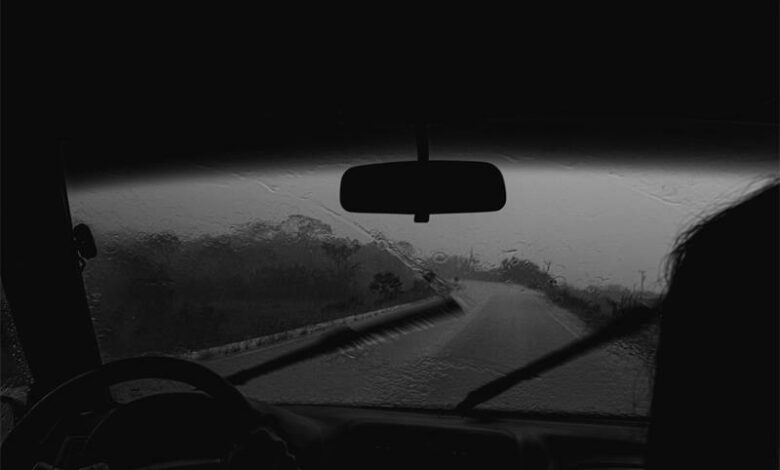
Tyre tread and pressure are crucial any time you’re on the road, but more so in wet weather. The Tyre, Equipment, Parts Association (Tepa) is urging wet-weather driving checks as the festive season and heavy rains approach.
Dylan Petzer, the Tepa national and regional vice chair central, said ignorance costs lives when it comes to vehicle maintenance and road conditions.
“The biggest mistake is complacency. People drive the same route every day and assume their car is fine, ignoring a little squeak from the brakes or the fact that the tyres are looking a bit smooth.
“The second mistake is underestimating road conditions. A speed limit is a limit for perfect conditions, not a target for wet, windy or low-visibility situations. Slowing down is the single most effective safety measure you can take in the rain,” he said.
It’s easy to check if your tyres are safe for a long-distance trip in wet weather. Gauge the tread wear by looking inside the main grooves of the tyre for small, raised blocks of rubber.
ALSO CHECK: Pastor Zwane continues six-year food donation drive in Kwa-Thema
If the surface of your tyre tread is level with these little blocks, your tyres are no longer legal and you need new ones. The legal minimum tread depth in SA is 1.6 mm.
“For wet weather, you want much more than that to effectively clear water. If you are unsure, pop into any Tepa-accredited fitment centre for a free check,” Petzer said.
Aquaplaning is a reality if tyres are under-inflated.
“Think of your tyre’s tread grooves as channels to push water out from under the tyre. When a tyre is under-inflated, its shape distorts. The middle of the tread can lift away from the road, and the channels can close up.
“This makes it much harder to clear water, meaning the tyre starts surfing on a layer of water instead of gripping the road. That is aquaplaning, and it is a terrifying experience. You have zero steering and braking control. Proper inflation is your best defence against it.”
ALSO CHECK: Pam Faku Foundation donates school uniforms to 50 learners at Mbongeni Mgududu
This also speaks to the car’s stopping power. It takes significantly longer to stop on a wet road compared to a dry one.
“While exact figures depend on your speed, tyres and the condition of the road surface, a good rule of thumb is that stopping distances on a wet road can be double what they are on a dry road.
“At 100 km/h, your dry stopping distance is around 70m. On a wet road, which can easily stretch to 140m or more. That’s the length of a rugby field,” Petzer warned.
“The message is simple: Slow down and increase your following distance. Don’t be that person tailgating in the fast lane during a downpour.”
Another critical component for wet-weather driving is proper brakes, so listen for the warning signs; they may need to be checked or replaced.
Brakes on their way out give off these warning signs:
• High-pitched squealing: This could be the built-in wear indicators telling you the pads are low;
• Grinding or rumbling: This often means your brake pads are worn away, and you have metal grinding on metal;
• A “spongy” or soft brake pedal: This might indicate air or moisture in the brake lines;
• The car pulls to one side when you brake: This could be a stuck calliper or uneven wear, and is especially dangerous on wet roads.
Petzer concluded with sound advice on tyre replacement before a road trip.
“Replacing all four is best for balanced handling. However, if your budget only allows for two, always fit the new tyres to the rear axle, regardless of whether your car is front- or rear-wheel drive. Your back tyres provide stability.
“If your front tyres lose grip, the car tends to push straight on (understeer), which is relatively intuitive to control. If your rear tyres lose grip (oversteer), the car can spin out of control. New tyres on the back keep the car’s rear end planted and stable, which is what you want on a slippery N3 heading to Durbs.”
He recommended a wet weather safety check focusing on the “big three” for grip and visibility: Tyres, brakes and wipers.
“Get your tread depth and pressure checked, have the brakes inspected for wear and pop on a new set of wiper blades. It’s a simple, affordable check that prepares your car for the most challenging conditions.
“When you visit a Tepa-accredited fitment centre, you are visiting a business that has committed to high standards of workmanship, quality parts and ethical service.
“Our members are accountable. This gives you peace of mind that the advice you’re getting is for your safety, not just to make a sale.”