Amadoda Wednesday for men to speak about their abuse
Ekurhuleni Men’s Sector launched a programme where men will be able to speak up on the abuse they experience in their relationship and in the community.
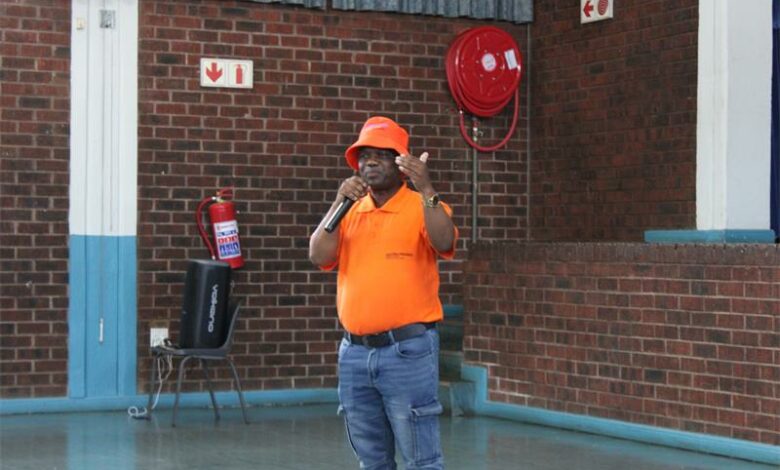
Duduza – Men in Ekurhuleni have been urged to take a stand against gender-based violence (GBV), speak openly about their challenges, and work with law enforcement agencies to help make communities safer.
The call was made by the Ekurhuleni Men’s Sector during the launch of Amadoda Wednesday at the Mounti Motloung Hall in Duduza on October 9.
Speaking to the African Reporter, organiser Lunga Maqashalala said the programme was introduced in response to the killings of women in the city and the need for men to take a more active role in addressing violence.
“We saw that there is an illness happening in our city where women are being killed. We want men to come together and see how they can make our communities safer,” he said.
Maqashalala explained that Amadoda Wednesday is a programme through which men will meet regularly to discuss challenges affecting them and their communities.
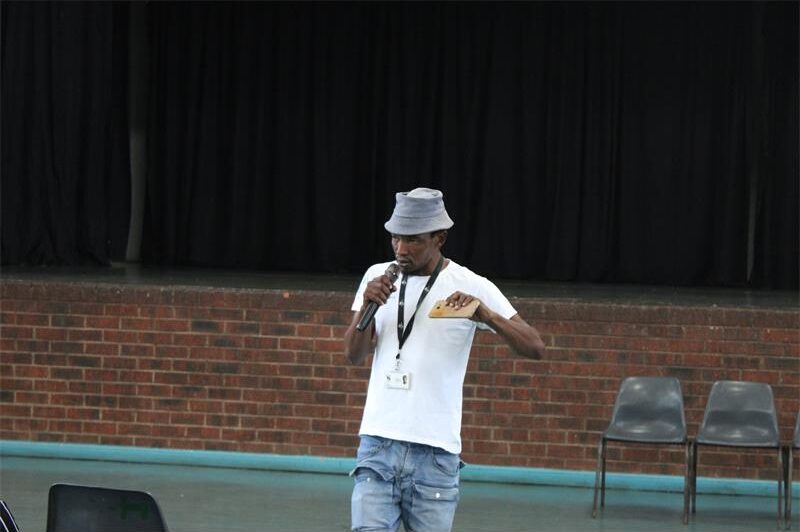
He said the sessions would address GBV, mental health, HIV awareness, suicide prevention, unemployment, fatherhood, and family relationships.
According to him, the programme will work with the Department of Social Development, the Department of Health, Community Safety, and other partners to support men and develop practical ways of addressing the issues raised during the discussions.
Quarterly accountability meetings will be held to assess progress, identify challenges, and determine whether the programme is making a difference.
“We want to see an impact in the programmes we will be having. We do not want to have sessions where we talk about issues but, at the end of the day, there is no impact,” he said.
Maqashalala said the long-term goal was to work towards eliminating GBVF in Ekurhuleni by encouraging men to take responsibility for their behaviour and support efforts to build safer communities.
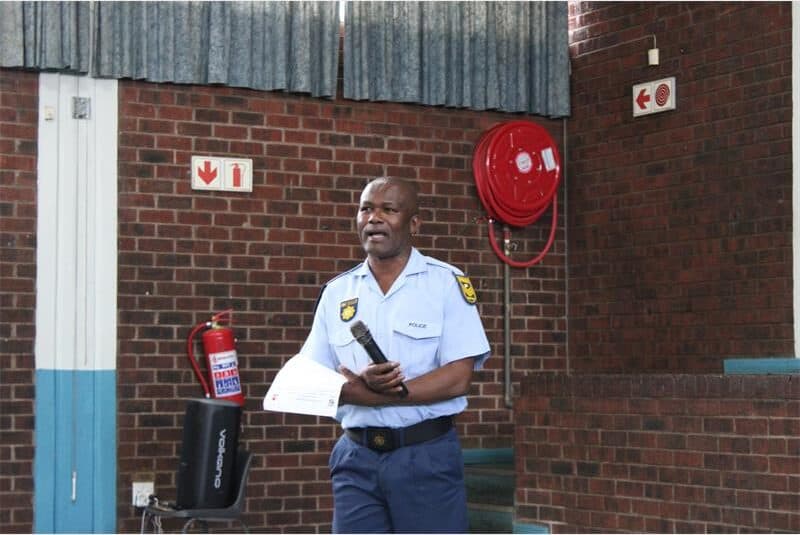
He called on men across the city’s sub-districts to participate in the programme and become active in the fight against violence.
“We want to say to men, come and let us talk and have these sessions and fight the illness of GBVF. We want to see a zero rate of gender-based violence in the city,” he said.
He said men needed to work with the South African Police Service (SAPS), the National Prosecuting Authority (NPA), and other stakeholders to ensure that perpetrators were held accountable.
“These are our sisters and our mothers. We are seeing women being the ones who are coming forward and voicing their concerns, while men remain on the sidelines. It is high time we stood up and worked together as men,” he said.
Maqashalala added that men should not wait for organisations to lead the fight against GBV but should take individual responsibility for challenging abuse and encouraging others to do the same.
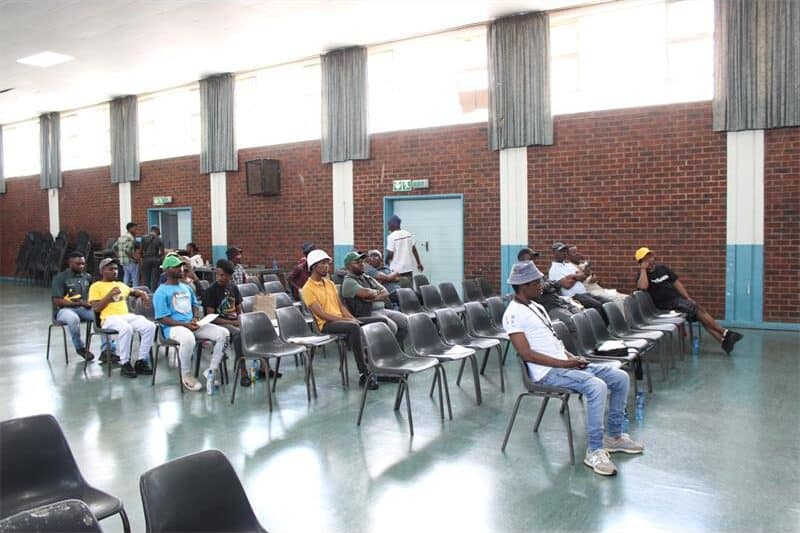
He also highlighted the importance of addressing the challenges men face, including depression, unemployment, family problems, and pressure to appear strong even when they are struggling.
According to Maqashalala, the programme aims to create spaces where men can speak openly about these issues and access support.
“Men are depressed, but they do not want to talk about those issues. We want men to come and talk so that we can understand how to help them,” he said.
Mpho Sithole, from Katlehong, told the publication that programmes like these are important because they allow men to express how they feel.
He shared that he learnt that it is okay for men to cry and not allow society to tell them otherwise.
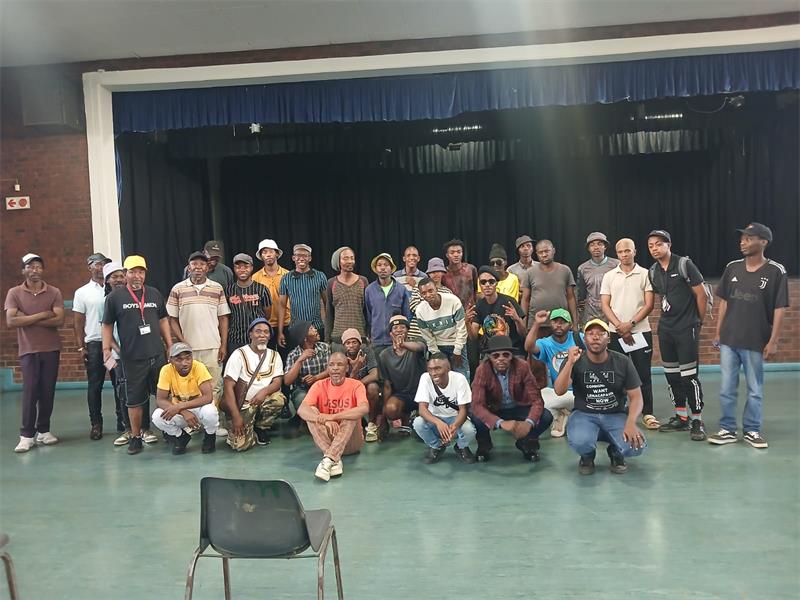
“We heard that men are also victims of GBVF, and they must report if they are abused,” said Sithole.
“Men don’t speak up when abused because they are prideful and are scared their egos will be bruised when they speak up and the community will laugh, including the police.”
Sithole expressed that women are often painted as innocent when men report abuse, rather than as potential perpetrators.
He advised men to speak out when they witness abuse or experience it themselves, to break the cycle of abuse before it affects future generations.
“Men should attend programmes like this so they speak about what is happening at their homes, because we have children who become bullies because they see what is being done by their fathers to their mothers,” he said.