Albanism SA Ekurhuleni branch to host cancer awareness workshop
With people with albinism at increased risk of skin cancer, the Albinism Society of South Africa’s Ekurhuleni branch is promoting awareness, early detection and sun protection through its upcoming cancer awareness workshop.
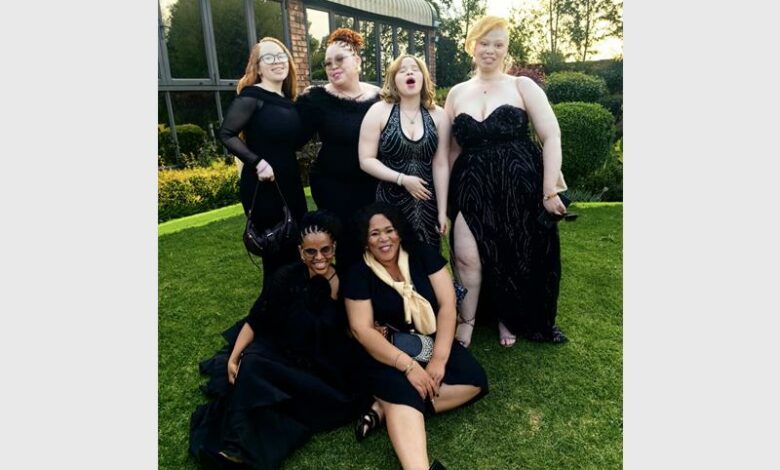
On October 24, the ASSA Ekurhuleni branch will host a cancer awareness workshop, focusing on types of cancer, risk factors, warning signs and prevention and treatment, but with particular emphasis on skin cancer, which poses a serious health risk to people with albinism.
Albinism is a genetic condition characterised by reduced or absent melanin, the pigment responsible for skin, hair and eye colour.
The lack of melanin leaves people with albinism more vulnerable to ultraviolet (UV) radiation, increasing their risk of skin damage and skin cancer.
“Our workshop aims to equip people with albinism, their families, caregivers and community members with practical information about sun protection, regular health screenings, early diagnosis and available healthcare services,” explained Shoki Kekana, centre manager of ASSA.
ASSA Ekurhuleni supports people with albinism across Daveyton, Wattville, Thembisa, Kwa-Thema, Tsakane, Vosloorus and Katlehong.
Its initiatives include training and workshops, dignity packs, learner support, psychosocial support, peer networks, and efforts to connect beneficiaries with job opportunities. Kekana said they also help beneficiaries develop independence and confidence.
“All this is done in an effort to upskill our beneficiaries to live positive lives and not to depend on hand-outs,” she said.
About ASSA
ASSA is an outreach programme which was established by Nomasonto Mazibuko to support people living with albinism.
The organisation is currently based at St John’s Anglican Church, 176 Kerk Street, Putfontein, and is part of the All Souls Church Northmead parish.
Its vision is a society where people with albinism are embraced, empowered and protected from discrimination, fear and stigma, with equal access to healthcare, education and opportunities.
Through awareness campaigns, support groups, educational activities and community partnerships, the organisation continues to promote acceptance and improve support for people with albinism.
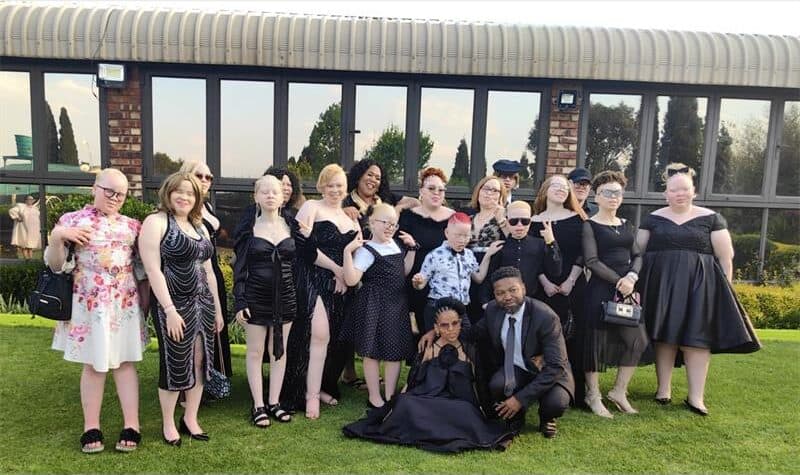
Attend the workshop
The ASSA Ekurhuleni cancer workshop takes place from 09:00 on October 24 at Engadini Events Venue, 114 Verster Street, Putfontein. There is no cost to attend.
For more information about the workshop or to get involved with ASSA Ekurhuleni, contact Shoki Kekana on 010 023 0361 or 071 504 9447.
SIDEBAR TO THE STORY
Understanding albanism and skin cancer risks
Professor Chrysis Sofianos, a triple board-certified plastic surgeon and Academic Head of the Division of Plastic and Reconstructive Surgery at the University of the Witwatersrand, highlights the importance of understanding the health risks associated with albinism.
“Because reduced melanin leaves the skin more vulnerable to UV radiation, sun protection and early medical attention for suspicious skin changes are important.
“Due to the lack of melanin in the skin, individuals with albinism are highly vulnerable to the harmful effects of ultraviolet (UV) radiation, increasing their risk of skin damage and skin cancer,” said Sofianos.
Skin cancer is not always painful or immediately obvious. In people with albinism, some skin cancers may also lack the pigmentation commonly associated with suspicious lesions.
Sofianos said people should therefore not rely on colour alone when deciding whether a skin change needs medical attention.
Skin changes to watch for include:
- A new growth.
- A sore that repeatedly fails to heal.
- A lesion that bleeds or crusts.
- A mole that changes in size, shape or colour.
- A skin change that appears unusual or continues to develop.
Sofianos also said skin cancer should not be viewed as a disease affecting only fair-skinned people. While higher melanin levels provide greater natural protection, they do not provide complete immunity.
Certain skin cancers can also develop in areas not usually exposed to the sun, including the soles of the feet, palms, and under the nails.
“Everyone should be familiar with their skin and pay attention when something changes, including in less obvious areas. If something doesn’t seem right, have it checked rather than dismissing it or trying to diagnose it yourself.”
For people with albinism, continued vulnerability to UV damage can add to the treatment burden. Some patients may develop multiple cancerous or precancerous lesions over time, so continued skin protection and follow-up are important.
“For people with albinism, careful sun protection and regular attention to the skin are critically important. More broadly, if a lesion is changing, bleeding, repeatedly crusting, or failing to heal, don’t ignore it. Have it assessed.”