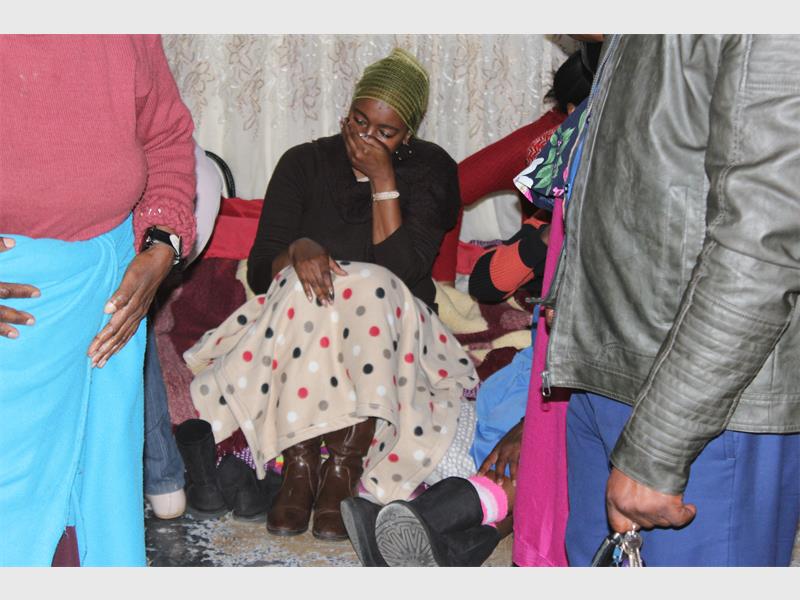
As we kick-start Women’s Month celebrations, I had the opportunity to interact with a group of young women from Tsakane on Saturday.
They were hosting a photo shoot for women of all ages and speaking out about abuse, whether physically, emotional, financial, they face in their daily lives.
This can be in their homes, on the streets, at work, church or taxi rank (which is a common event, a lot of women are treated badly because of the choice of outfits, colour of their skin, how they speak or walk).
I could not help but wonder what exactly we are celebrating in this month; do we have anything to celebrate as the women of this country?
Don’t get me wrong, I know as women of the 21 century we have made headways in fighting patriarchy and finding our voice in the community and the cooperate sector, but is this enough to celebrate with what we are exposed to in our daily lives?
My view and answer to that question is a big fat no. I feel being a woman in this country is an extreme sport.
Let me first, before I get ahead of myself, take a few steps down memory lane by explaining how we ended up celebrating this month, even though I would rather use the words “commemorate” or “pay tribute” to the women of August 9, 1956, because honestly, the women of today don’t have much to celebrate.
Anyway, on the day, over 20 000 women from across the country took to the streets of Tshwane armed with more than 100 000 signatures and marched to the Union Buildings in protest against the pass laws of 1950.
The group of women sang protest songs and chanted the famous saying “Wathint’Abafazi Wathint’imbokodo!”, which is loosely translated as “you strike a woman you strike a rock” and were led by activists which include Lillian Ngoyi, Hellen Joseph and Sophie Williams-de Bruyn.
These women were tired of the oppression by the apartheid government and they wanted their voices to be heard.
Coming back to today, as a nation we are encouraged to celebrate this month and the achievements that followed the events of 1956. But without sounding like a party pooper, can we please look back to the past five years and reflect on some of the challenges women of today face.
Every second day we are exposed to the heart-wrenching cries of a neighbour who is abused physically and emotionally by her husband.
We read in the media about a little girl who is kidnapped, raped and killed while walking home from school.
We read about a woman who was told the only way she will be absorbed into the company or move up on her career ladder is to sleep with her boss or someone in the HR department.
Not long ago, we were exposed to a television documentary of a group of young women from Rhodes University who were sexually violated by a lecturer with the promise of giving them extra marks.
Moving closer to home, last year we learned about the death of Ayanda Simelane (22) from Phomolo Section in KwaThema who was found killed and her body abandoned behind a block of rooms after a night of clubbing with friends.
To this day, no one has been arrested and there is no positive lead as to who took the young woman’s life in such a horrific manner.
Two weeks ago a 59-year-old woman was assaulted with an axe by her husband.
The list of attacks on women from Kwatsaduza is very long and we learn about these events every second day, with the suspects getting away with murder or the cases disappearing into thin air.
We are not safe in our own homes, streets and community we don’t know where to run to.
I sometimes wish as women of this country we could have our own village, like that of Umoja located in Kenya where men are banned, maybe then we will be able to enjoy life and stop living in fear.
Follow us on: