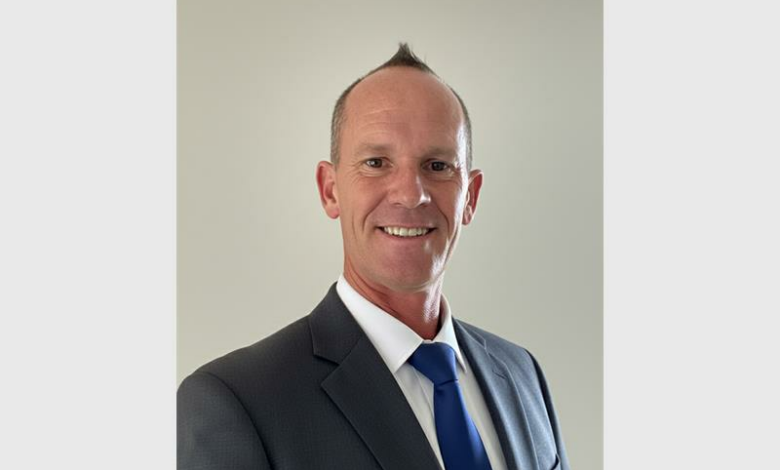
Michael Hume highlights service delivery, crime and homelessness in Ward 37
The Ward 37 candidate outlines his plans to tackle infrastructure problems, improve municipal accountability and support vulnerable residents.
1. What are the three biggest challenges currently facing your ward, and how will you address them?
The three biggest challenges facing our community are poor municipal service delivery and deteriorating infrastructure, crime and community safety, and the growing problem of homelessness.
Firstly, residents are frustrated by recurring service delivery failures, including potholes, water leaks, electricity outages, sewage spills and neglected public spaces. Through my work with the ABOUT Group, I have spent the past four years assisting residents with municipal complaints and following up with the relevant departments. If elected, I will continue this hands-on approach, using the formal mechanisms available to a ward councillor to escalate unresolved issues, demand accountability and monitor progress.
Secondly, crime and the fear of crime are affecting our residents’ quality of life. I will work with SAPS, Community Policing Forums, neighbourhood watches, private security companies, and the municipality to improve coordination, identify crime hotspots, and address contributing factors such as broken streetlights, overgrown public spaces, and neglected properties. Community safety must be a priority, with prevention, visible policing, and cooperation between residents and law enforcement all playing a role.
Thirdly, homelessness is an increasingly visible challenge that requires a compassionate but practical response. We need to work with municipal departments, social services, and non-profit organisations to identify the underlying causes, connect vulnerable people with available assistance, and address the impact of homelessness on public spaces and surrounding communities. This must include lawful and humane interventions rather than simply moving the problem from one street to another.
My approach will focus on practical solutions, consistent follow-ups, and measurable progress. Residents deserve a councillor who listens, takes action and holds the relevant authorities accountable.
2. How will you improve basic service delivery such as water, electricity, refuse removal and road maintenance?
My approach will be based on active monitoring, consistent follow-ups and accountability. A councillor should not simply forward a complaint and consider the job done. Residents need someone who will keep pushing until there is a meaningful outcome.
Having assisted residents with thousands of municipal service complaints over the past four years, I understand how frustrating it is when people report problems and receive little or no feedback.
If elected, I will establish a structured system to record complaints, allocate reference numbers where applicable, track progress, identify recurring problems and escalate unresolved issues to the relevant departments and senior officials. I will regularly engage municipal departments to establish realistic time frames and obtain feedback on outstanding matters.
I will also advocate for preventative maintenance instead of relying on reactive repairs. Water leaks, electricity faults, refuse collection failures and deteriorating roads must be addressed before they become bigger and more expensive problems.
Although a ward councillor cannot personally control every municipal department or guarantee immediate repairs, I can ensure that problems are documented, communicated, escalated and monitored. Residents deserve transparency about what is being done, what is delayed and why.
3. What specific plans do you have to improve community safety and reduce crime in the ward?
Community safety requires cooperation between residents, law enforcement, security organisations and the municipality. No single organisation can solve crime on its own.
My plan would focus on strengthening partnerships between neighbourhood watch groups, Community Policing Forums, private security companies, SAPS and other relevant stakeholders. I encourage better communication, coordinated reporting of crime trends and the identification of vulnerable areas.
At municipal level, I would push for the maintenance of streetlights, the removal of overgrown vegetation that creates hiding places, action against abandoned properties that pose safety risks, and improved maintenance of parks and other public spaces.
I would also support initiatives that give young people constructive alternatives through sport, skills development, mentorship and community involvement. Prevention must form part of our long-term approach to reducing crime.
I would work with residents to identify crime hotspots and raise their concerns with the relevant authorities, while ensuring that any safety initiatives respect the law and residents’ rights.
My objective is to help build a community where people feel safe walking in their neighbourhoods, where public spaces are properly maintained and where residents know that their safety concerns are taken seriously.
4. How will you ensure that residents are kept informed and involved in decisions affecting the community?
Communication and public participation are fundamental responsibilities of an effective ward councillor. Residents should never have to wonder what is happening in their own ward or struggle to get answers from their elected representative.
Through my work with the ABOUT Group, I have seen the value of community networks in bringing residents together, identifying problems and ensuring that concerns reach the relevant authorities.
If elected, I will establish accessible communication channels through community meetings, digital platforms, regular updates and direct engagement with residents. I will provide feedback on service delivery complaints, municipal projects, budget priorities and matters raised with council, while respecting privacy and confidentiality.
I will also encourage residents to participate in ward committee processes, public consultations and municipal Integrated Development Plan and budget consultations. Their input must be considered before decisions are made, not merely requested as a formality.
I want residents to understand what is happening, why decisions are being taken and what progress is being made. Where the municipality fails to deliver, I will communicate that honestly rather than make excuses or create unrealistic expectations.
A ward councillor should be a conduit between residents and the municipality, not a barrier.
5. What will you do to support local businesses, informal traders and job creation in the ward?
Local businesses are essential to Alberton’s economic well-being. They create employment, support families and contribute to the local economy. Small businesses and informal traders must be treated as important economic participants, not as an afterthought.
I will work to improve communication between local businesses and the municipality, help business owners navigate the relevant municipal processes, and raise unnecessary administrative delays and obstacles with the appropriate departments.
I will advocate for fair, transparent and lawful processes for informal trading, including appropriate trading locations, clear requirements, access to facilities where feasible, and consistent enforcement of municipal regulations.
I will also encourage local procurement opportunities where legally permitted, promote engagement between businesses and community organisations, and support initiatives that connect job seekers with employers, training opportunities and entrepreneurship programmes.
A ward councillor cannot create jobs by decree or promise employment that the municipality cannot guarantee. However, we can help create an environment where businesses can operate, investment is encouraged, and residents have better access to economic opportunities.2
My focus will be on practical partnerships that help local businesses grow and enable more residents to participate in the local economy.
6. How will you improve conditions in informal settlements and underserved areas within the ward?
Every person deserves dignity and access to basic services, but development must also respect property rights, municipal planning requirements and the law. We need a sustainable approach that addresses housing needs while protecting private property owners and the interests of established communities.
Where informal settlements have developed on privately owned land without the necessary authorisation, I would engage the relevant municipal departments and landowners to establish the legal status of the occupation and pursue an appropriate, lawful resolution.
Where removal is legally justified, it must follow due process, respect court orders and constitutional protections, and be handled humanely. Simply allowing unauthorised settlements to expand without a plan is not a sustainable solution for either the occupants or surrounding communities.
At the same time, we must address the underlying need for suitable land and housing rather than merely relocate the problem. I would push the municipality to identify suitable municipally owned land that could be made available for properly planned and serviced housing or settlement development. This would require assessments of land ownership, zoning, environmental suitability, access to water and sanitation, electricity, roads and other essential infrastructure.
I would also engage the municipality to establish what land is available, what upgrading or development programmes are planned, and what realistic time frames can be communicated to affected residents. Any proposed relocation or development would need to comply with applicable legislation, planning requirements and the rights of all parties involved.
My objective would be to work towards a balanced solution: protecting lawful property rights, preventing the uncontrolled expansion of informal settlements, improving living conditions where appropriate, and encouraging the municipality to take responsibility for identifying and servicing suitable land for people who need accommodation.
This is not a challenge that a ward councillor can resolve alone. Still, I would use the position to demand a clear municipal plan, promote cooperation between stakeholders and ensure that residents are kept informed throughout the process.
7. What is your plan to address infrastructure problems such as potholes, sewage spills, streetlights and illegal dumping?
I plan to move from a cycle of repeated complaints and temporary fixes towards a structured system of identification, prioritisation, escalation and monitoring.
Through my community work, I have seen how problems such as potholes, sewage spills, broken streetlights and illegal dumping affect residents’ safety, property values, health and quality of life.
If elected, I will prioritise issues by urgency and impact. Sewage spills and other public health hazards, dangerous road defects and electrical safety risks require urgent escalation. Other maintenance matters must be recorded and followed up within appropriate timeframes.
I will engage the responsible departments, monitor complaint reference numbers, request progress reports and communicate delays to affected residents. I will also push for recurring problems to be investigated so that underlying causes are addressed rather than repeatedly treating the symptoms.
Illegal dumping requires a combination of enforcement, reliable waste services, appropriate disposal options, public education and cooperation with residents. I would support identifying recurring dumping sites and pursuing practical interventions to prevent repeat dumping.
I will also advocate for regular infrastructure inspections and better preventative maintenance.
I cannot promise that every fault will be repaired overnight. Still, I can promise to pursue a transparent process in which complaints are tracked, priorities are clear, and the municipality is pressed to account for its performance.
8. How will you ensure municipal funds allocated to the ward are spent transparently and effectively?
Residents have a right to know how public money is spent and whether it delivers the promised results. Municipal funds are public resources and must be managed responsibly, transparently, and in accordance with the law.
A ward councillor does not personally control the municipal budget or independently authorise expenditure. However, the position provides important opportunities to scrutinise proposed spending, participate in budget and Integrated Development Plan consultations, raise residents’ priorities and question delays or poor performance.
If elected, I will advocate for clear communication about projects affecting Ward 37, including their approved budgets where available, intended outcomes, responsible departments and expected completion dates. I will seek progress reports and raise concerns when projects are delayed, costs appear unjustified, or the delivered work does not meet required standards.
I will encourage residents to participate in public budget consultations and use the appropriate municipal oversight and reporting mechanisms to raise concerns about possible irregularities.
Where credible evidence of wrongdoing emerges, it should be referred to the appropriate oversight or investigative bodies rather than handled through political accusations.
My commitment is to transparency, responsible oversight and value for money. Residents should be able to see what was planned, what was spent, what was delivered and what action is being taken when things go wrong.
9. What programmes or initiatives would you introduce for young people, women and vulnerable residents in the community?
A strong community creates opportunities for people to improve their circumstances while ensuring vulnerable residents are not left behind.
Through the ABOUT Group, I have been involved in community-focused initiatives and social upliftment efforts. I want to build on that experience by encouraging practical programmes that bring residents, businesses, civil society and relevant government departments together.
For young people, I prioritise career guidance, skills development, mentorship, access to information about learnerships and employment opportunities, and partnerships that support sport, recreation and constructive after-school activities.
For women, I would encourage access to entrepreneurship support, business development opportunities, skills training and information about available support services. I would also support partnerships that assist women affected by domestic violence and other forms of abuse.
For vulnerable residents, including older adults, people with disabilities, unemployed households and families facing food insecurity, I would work with established community organisations and social services to connect people with appropriate assistance. Community food and essential-items drives can also play a role where needs are identified.
I would seek to develop partnerships with local businesses, churches, non-profit organisations and training providers to make these initiatives sustainable.
The goal is not to create programmes that exist only on paper. It is to connect residents with real opportunities, measure participation and outcomes, and build a community that is more resilient, inclusive and self-reliant.
10. If elected, how will residents be able to hold you accountable and measure your progress over the next five years?
I believe accountability starts with being accessible, honest and willing to answer difficult questions. A councillor is elected to serve residents, not to disappear after election day.
Over the next five years, I aim to establish a clear and measurable framework through which residents can assess my performance.
This would include:
• Regular public feedback: Providing updates on municipal complaints, recurring service delivery problems, projects and matters raised with council.
• Complaint tracking: Maintaining an organised record of issues raised, their reference numbers where applicable, follow-ups, escalations and outcomes.
• Community engagement: Holding regular opportunities for residents to raise concerns, ask questions and discuss priorities.
• Progress reporting: Reporting on achievements, outstanding problems, departmental delays and matters requiring further intervention.
• Budget and project oversight: Keeping residents informed about relevant municipal plans, approved projects and progress where information is available.
• Honest communication: Explaining what has been achieved, what remains outstanding, and what falls outside my direct authority as a ward councillor.
I also encourage residents to question me, challenge my decisions and assess my performance against the commitments I make. I will not pretend every municipal problem can be solved immediately or that one councillor controls every department.
Over the past four years, I have worked with residents through the ABOUT Group to raise concerns and pursue solutions, including thousands of municipal service complaints. That experience has taught me that persistence, follow-through and communication matter.
My commitment to Ward 37 is simple: I will listen, act, follow up, and report back. Residents should judge me not only by what I say during an election campaign, but by the work I do and the results I pursue throughout my term.
Local government must return to its most basic responsibility: serving the people who pay for it.
My community involvement over the past four years has shown me both the scale of the challenges facing Alberton and the difference that persistent, hands-on engagement can make. Residents should not have to fight endlessly to receive the services they are entitled to expect.
I will bring that experience, energy and commitment into the role of ward councillor. My focus will be on service delivery, accountable governance, safer and cleaner neighbourhoods, meaningful community participation and opportunities for our residents.
I cannot promise perfection, nor can I promise to solve every problem alone. I can commit to being present, accessible, persistent and transparent, and to using every appropriate channel available to pursue better outcomes for Ward 37.
Alberton deserves a councillor who works for the community, listens to residents and holds the municipality accountable. That is the responsibility I am prepared to take on.