Joburg woman celebrates a decade with transplanted lungs
Fawn Kruger is one of only 22 patients in SA who have survived a lung transplant for 10 or more years. Every year, Kruger celebrates her ‘lungaversary’ and this year is no different.
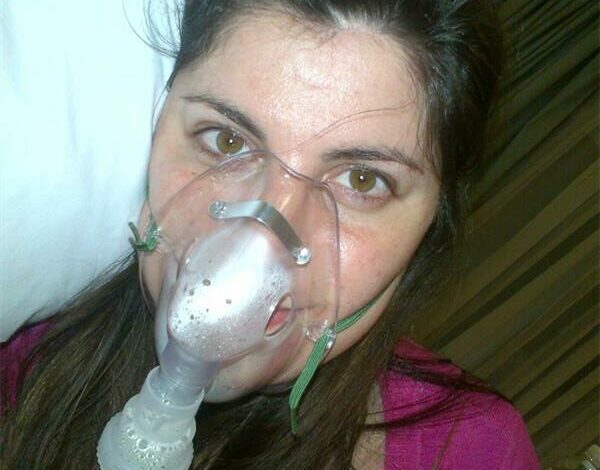
Fawn Kruger is a 35-year-old woman living in Johannesburg. She is married, has four pets, owns her own business and frequently socialises with her friends.
What is different about Kruger is that 10 years ago her lungs were removed and replaced with a stranger’s lungs to save her life. She was born with the genetic disease cystic fibrosis (CF). This degenerative illness is a lifelong burden that requires non-stop invasive treatment.
It affects various organs, but the most life-threatening is the lungs. They are filled with thick, sticky mucus that slowly kills the lungs until the patient cannot breathe anymore.
Kruger said it’s like having a bronchitis infection every day of your life – it’s exhausting and painful.
The F508del CF mutation affects 86.4%, and the G542X affects 4.6% of all mutations.
Most patients have two F508del genes, but Kruger has one F508del and one G542X gene, which is a more severe mutation.
Kruger was born in Zimbabwe and was diagnosed with CF when she was one year old. Her daily treatments involved digestive enzymes with every meal and nebulising twice daily with chest physio. By the time she was 13, she spent two weeks every three months in the hospital having intravenous antibiotics.
This was disrupting her life, and her lungs were only getting worse. She spent over 700 days in the hospital before her transplant.
“I couldn’t plan anything with my friends because I never knew how I would feel on the date. I missed many special occasions because I was in hospital or not well enough to attend,” she said.
Over time, her lungs deteriorated to where she could not breathe without being connected to an oxygen machine 24 hours a day.
“I’d take the oxygen tubing off to wash my face, and my lips would immediately start turning blue and I felt light-headed,” she said.
She had a nasal oxygen tube, a feeding tube in her stomach, an insulin machine attached and a port-a-cath in her neck for vein access for medication. This was when she listed for a double lung transplant.

What is a lung transplant?
It’s a (long) surgery to replace a diseased or failing lung with a healthy lung, normally from a dead donor. A lung transplant is for people who have tried medications or other treatments, but whose conditions did not sufficiently improve. Depending on your medical condition, a lung transplant may involve replacing one or both of your lungs.
Who can get a lung transplant?
A lung transplant is not for everyone. Certain factors may mean you’re not a suitable candidate for a transplant. A full evaluation is done beforehand and, essentially, you need to be ‘healthy’ enough to survive the surgery. With lung transplants, you are only considered when the transplant team estimates you have less than two years to live. This is scary, considering that some patients wait four or more years for lungs.
How long do transplanted lungs last?
The survival rate for one year is 79.5%, up to five years is 50.6%, and a decade is 30.4%.
Why do lung transplants fail?
Risk of rejection: Your immune system defends your body against foreign substances. Even with the best match between you and the donor, your immune system will try to reject your new lungs. The drug regimen after transplant includes medications to suppress your immune system (immunosuppressants) to prevent rejection. These drugs must be taken (on time) for the rest of your life and, unfortunately, have a host of side effects.
Risk of infection: Anti-rejection drugs suppress your immune system, making your body more susceptible to infections, particularly in your lungs. These infections can be life-threatening and can also cause rejection.
Found a match
In March 2013, Kruger was told they had found a match for her, and she could have surgery to replace her lungs. The eight-hour procedure left her in the hospital for three months while she recovered from several complications.

Once discharged, it took Kruger about a year to build up the mental and physical strength she had lost. From there, it was up and up because she enjoyed doing things she could never do with her ‘original’ lungs.
“I’ve had so many firsts over the last decade. I’m so grateful to my donor for the chance to truly experience life for the first time,” she emphasised.
Kruger is one of only 22 patients in South Africa who have survived a lung transplant for 10 or more years. Every year she celebrates her ‘lungaversary’, and this year is no different. She plans to invite her friends, family and some of her medical team to join her when she celebrates the occasion.
Kruger co-founded Transplant Education for Living Legacies (TELL), a non-profit organisation, to increase the number of transplants in SA.
“One of the hardest parts of this disease is losing friends who didn’t get a transplant in time,” she said.
She has asked her guests to donate to TELL instead of bringing gifts to her 10-year ‘lungaversary’ party. Her goal is to raise R100 000 to help TELL educate the public and medical professionals about organ donation and to support patients.
Visit the TELL website if you want to become involved.
If you want to donate, click HERE.
Or the banking detail below:
Name: TELL NPO
Bank: First National Bank (FNB)
Account type: Cheque
Account no: 62818725775
Branch code: 250655
Reference: 10YOURNAME
Swift code: FIRNZAJJ