National Assembly accepts sign language as 12th official language in South Africa
To advance the rights of people who are deaf and hard of hearing, the National Assembly has officially approved sign language to be added as a 12th official language in South Africa.
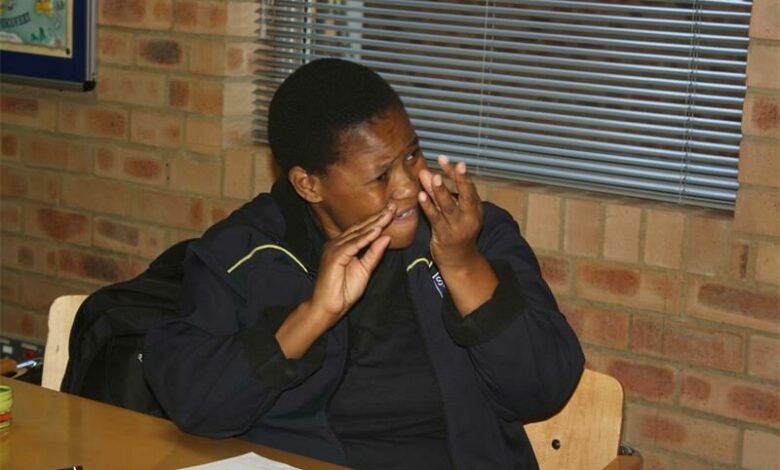
The National Assembly (NA) accepted the report of the portfolio committee on justice and constitutional development on the Constitution Eighteenth Amendment Bill [B1 – 2023] to amend section 6 of the Constitution of the Republic of South Africa, 1996 during its plenary session on May 2.
The change was to make South African Sign Language (SASL) an official language in order to advance the rights of people who are deaf and hard of hearing.
Up until recently, the South African Constitution recognised Sepedi, Sesotho, Setswana, siSwati, Tshivenda, Xitsonga, Afrikaans, English, isiNdebele, isiXhosa, and isiZulu as the country’s official languages.
Once the president signs the Bill into law, the number of official languages in South Africa will increase from the current 11 to 12 because of the constitutional amendment that was adopted on the day.
The amendment aims to promote inclusive and substantive equality, prevent or end unfair discrimination on the basis of disability, as guaranteed by section 9 of the Constitution, as well as to ensure the realisation of the rights of people who are deaf and hard of hearing to equal protection and benefit of the law and human dignity.
The Bill was presented and sent to the Committee on January 12, 2023. On January 27, the Department of Justice and Constitutional Development briefed the committee on the details of the Bill.
The committee received 58 written responses from people and organisations in response to the request for public feedback. Most of the submissions supported the Bill.
Although the committee took note of some commentators’ opposing viewpoints, it contends that the designation of SASL as a 12th official language is a significant step towards the realisation of the rights of people who are deaf and hard of hearing.
The committee also accepted that there are numerous sign languages used in different nations and that different regions have their own dialects, but it asserted that in South Africa, the promotion and growth of SASL also recognises the many dialects.
In terms of section 74(4) of the Constitution of the Republic of South Africa, 1996, a Bill that amends the Constitution may not include provisions other than constitutional amendments and matters connected with the amendments.
The Committee noted that the use of South African Sign Language is mentioned in legislation such as the Use of Official Languages Act 12 of 2012, the South African Schools Act 84 of 1996, and the Pan South African Language Board Act 59 of 1995.
The scope and intent of the reference to sign language in such law may change if the Bill is adopted. The appropriate departments in charge of carrying out those and related laws should be aware of the constitutional amendment recognising SASL as an official language under Section 6 of the Constitution and consider whether adopting the Bill might necessitate amending related laws to make clear SASL’s status as stated in the Constitution.
The amendment was adopted without opposition in the NA.
ALSO READ: Better qualifications for deaf learners