Meyersdal Eco Estate launches free wildlife learning for local schools
From zebras to giraffes, young learners from Rosemarie Nursery School got their first real glimpse of the wild.
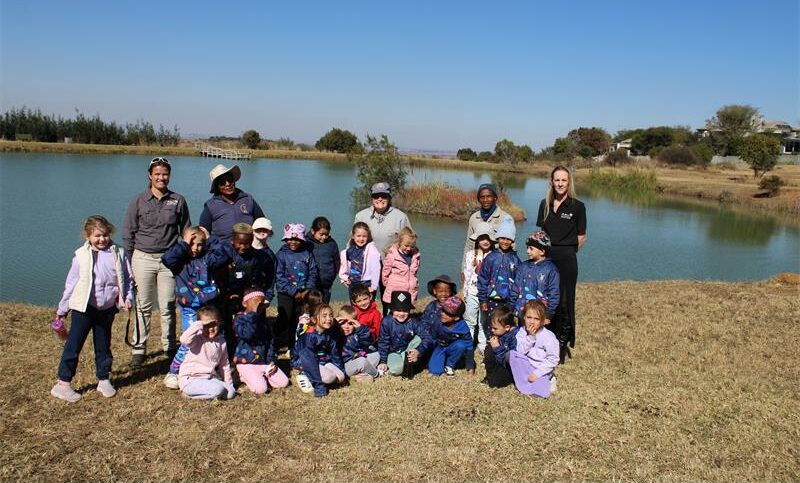
A group of 23 Grade R learners from Rosemarie Nursery School were treated to an unforgettable experience at Meyersdal Eco Estate on June 19.
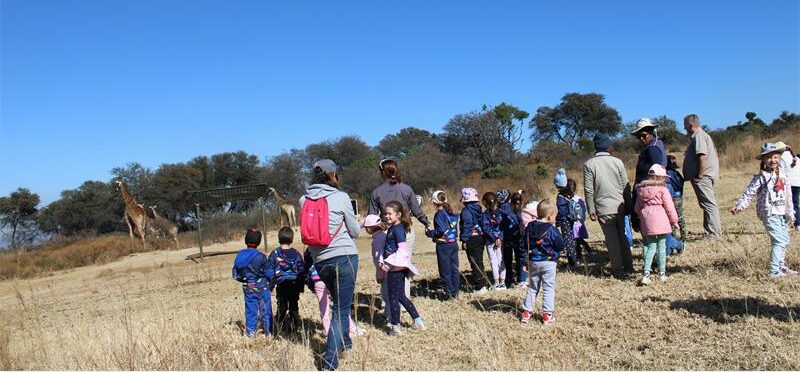
The children took part in an immersive game drive from 09:00 to 12:00, where many saw wild animals for the first time. Sightings included giraffes, zebras, eland and springbok in their natural surroundings.
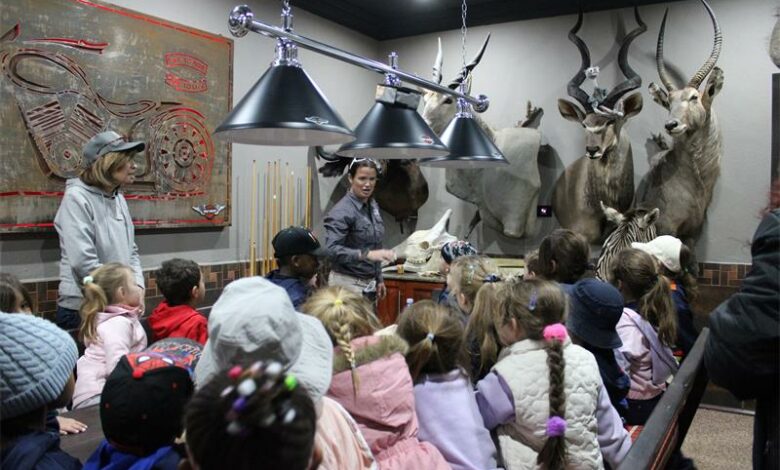
They also visited the estate’s main dam and historic house, where they were shown animal skeletons from the area’s past hunting days to help them better understand animal anatomy.
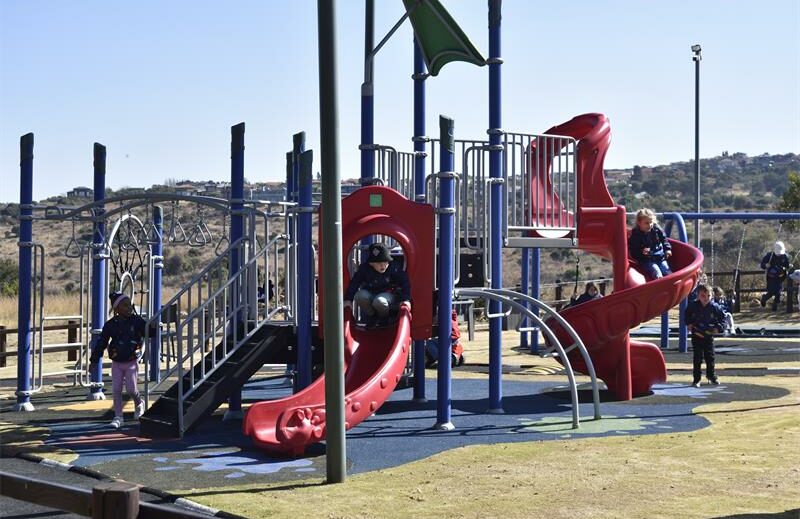
After the drive, the group enjoyed time at the jungle gyms and were treated to lunch at the estate’s clubhouse. Out of the 23 learners, 14 said it was their first time seeing a giraffe in real life.
A growing educational initiative
For the past two years, the estate has partnered with Rosemarie Nursery School for wildlife education week. Due to its success, the initiative is now being extended to more schools in the Alberton area.
“With 14 out of 23 children never having seen a giraffe, it’s a powerful reminder of the importance of offering these experiences, especially to those who may not otherwise have the opportunity,” said the estate.
The programme aims to foster conservation values in young children, particularly those growing up in urban or suburban settings with limited exposure to wildlife.
Starting this year, the estate will host one school per month, accommodating up to 30 learners per visit, aged five to seven. Children with disabilities are welcome, with each group limited to four special needs learners to ensure individual attention and safety.
Schools only need to arrange their own transport. All other elements – including guided drives, lunch and activities – are provided free of charge as part of the estate’s community outreach.
There are also plans to involve young residents of the estate in future educational programmes.
“Our hope is that more schools in Alberton and the surrounding areas will take up this opportunity. We want to help shape the next generation of conservation-conscious citizens.”
Linking conservation with education
Each visit is carefully coordinated by the estate’s environmental team, who plan routes based on their knowledge of animal movement to maximise sightings and safety.
The estate’s security team ensures safe movement throughout the area, including during road crossings. Playtime at the dam, along with pizza and cold drinks, helps round off the experience with a balance of learning and fun.
There are also plans to introduce talks on animal tracks, droppings and broader conservation topics to further enrich the programme.
A long-term commitment to conservation
Beyond education, Meyersdal Eco Estate is actively working to restore and sustain its natural environment.
In 2024, residents approved a dedicated rehabilitation budget aimed at improving biodiversity. Progress over the past eight months has focused on supporting grazers such as eland and blesbok, while a tree-planting initiative is underway to sustain browsing species like giraffes.
“This project will continue for at least another five years. Our goal is to improve conditions for grazers, and for browsers, the planting of trees will ensure sustainable foraging,” said the estate.
The estate also supports academic research in partnership with local universities, with honours and master’s students conducting fieldwork on site.
Looking ahead, the estate plans to introduce more environmental walks, community-led conservation events, and educational talks to promote sustainability and awareness among residents and visitors alike.
How to get involved
Principals and teachers interested in bringing their learners to Meyersdal Eco Estate can email environmental@meyersdaleco.co.za or manager@meyersdaleco.co.za