CoE urges residents to report illegal dumping as it steps up clean-up efforts
The CoE will intensify education and awareness programmes to inform residents about the health, environmental and economic dangers of illegal dumping.
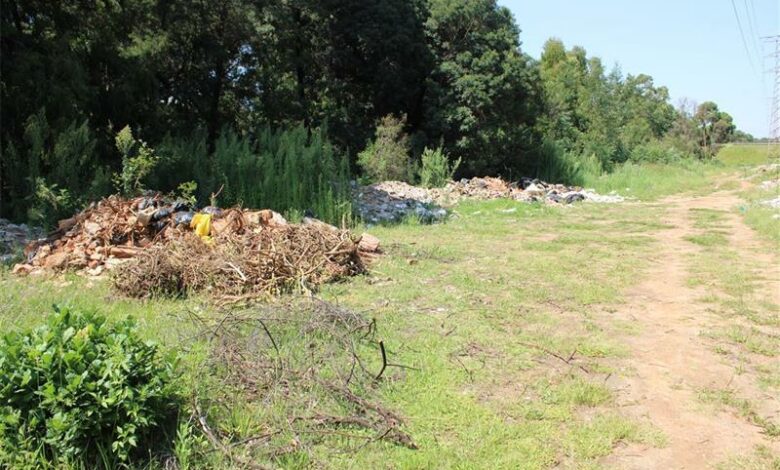
Residents across the CoE are encouraged to report illegal dumping following the discovery of waste and debris dumped in an open space in Alrode.
The Alberton Record recently identified the illegal site, where building rubble, household waste and other debris had been discarded.
The matter was reported to the city, which reiterated its stance against illegal dumping and appealed to residents to play their part in protecting the environment.
According to CoE spokesperson Zweli Dlamini, the city has implemented a mop-up campaign. It identifies and cleans up illegal dumping hotspots.
“We do mop-up campaigns. Illegal dumping spots are identified and cleared, especially after the festive season. However, we have limited resources, and do not encourage people to dump everywhere and anywhere,” Dlamini said.
He emphasised that waste management services do not close during the festive season and that residents should continue using designated waste removal services rather than resorting to illegal dumping.
Dlamini explained that illegal dumping strains the city’s budget and negatively affects service delivery.
“Illegal dumping hinders other important projects because funds that could have been used for development have to be redirected to clean-up operations. These resources are meant to ensure that all inhabitants live in a clean and healthy environment,” he said.
Health, safety and socio-economic effects of illegal dumping
The city warned that illegal dumping poses health, safety and environmental risks to communities.
Illegally dumped waste creates breeding grounds for bacteria, viruses and pests, such as rodents, mosquitoes and cockroaches, increasing the risk of disease outbreaks, including Dengue fever.
Hazardous and chemical waste can contaminate soil and drinking water sources, while sharp objects and toxic materials are a threat to residents, particularly children playing in or near dump sites.
Illegal dumping also has severe environmental consequences.
Toxic substances can seep into the soil and groundwater, while burning waste contributes to air pollution. Wildlife is often harmed after ingesting or becoming trapped in debris, and blocked drains caused by dumped waste can lead to flooding and contamination of nearby water systems.
From an economic and social perspective, the city noted that significant taxpayer funds are diverted to clean illegal dump sites, costs that far exceed proper waste management.
These sites reduce property values, discourage tourism and contribute to the overall decline of affected communities.
Visual pollution and persistent dumping can lower community morale and attract further criminal activity, making areas feel unsafe.
There are also increased safety risks, including fire hazards, as accumulated waste is highly flammable and can ignite. Illegal dumping areas might become hotspots for other unlawful activities.
City to strengthen education and awareness
In response, the city will place greater emphasis on educational and awareness programmes aimed at informing residents about how illegal dumping affects their health, safety, environment and livelihoods.
The CoE believes that improved public understanding, combined with stricter law enforcement, will be critical to reducing illegal dumping and protecting communities.
“After cleaning an identified hotspot, we ensure that we put up a ‘Strictly no dumping’ sign, only to find it removed weeks later or stolen,” Dlamini said.
Heavy fines and jail time for offenders
The city reminded residents that illegal dumping is a criminal offence, following the implementation of stricter penalties last March.
Under the CoE’s integrated waste management by-law, offenders could face a spot fine of R10 000 or, upon conviction, depending on the severity of the offence, a fine of up to R100 000 or imprisonment for up to three years.
“The city will effectively implement these punitive measures so that we win the battle against illegal dumping. Such fines and sentences are key in discouraging people from illegal dumping because an individual will think about the punishment before they dump illegally,” Dlamini explained.
The by-law outlines penalties for related offences, including transporting waste without proper accreditation, damaging municipal waste receptacles and the improper disposal of waste tyres.
Call to action
The city urged residents to report illegal dumping through official municipal channels, stressing that community co-operation is vital in keeping neighbourhoods clean and safe.
Residents are also encouraged to familiarise themselves with the Integrated Waste Management By-Law, available on the CoE’s website and at customer care centres.
“Keeping Ekurhuleni clean is a shared responsibility. By reporting illegal dumping and using approved waste services, residents help protect the environment and support sustainable service delivery,” Dlamini concluded.