Stepping Stone Hospice goes paperless with R50k tablet donation
Eleven donated tablets will help the Stepping Stone Hospice reduce its environmental footprint and improve patient care accuracy and efficiency.
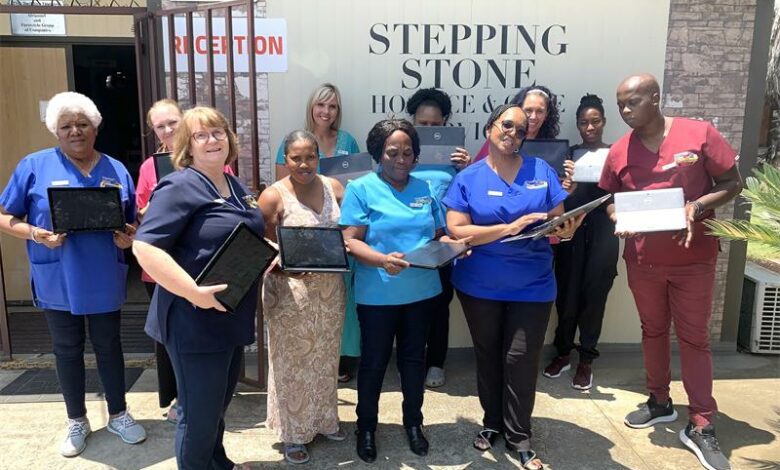
The Stepping Stone Hospice took a big step towards modernisation when it received 11 tablets donated by the Support Teacher Empowerment Trust (STET).
The tablets, valued at R50 000, were handed over on February 4 and will have a key role in the Hospice’s transition towards a mostly paperless system, set to begin in March.
Care services manager Sister Margi Bollman said the Hospice had reviewed its paper use, particularly regarding patient records, and realised the volume was unsustainable.
“We have monitored the amount of paper we use with our patient notes and other records, and realised we were using far more than was environmentally responsible. We then investigated alternatives and found a system where we can record all our information directly on tablets,” she said.
Bollman explained that digitising patient records would improve accuracy and accessibility, as staff would no longer rely on handwritten notes.
“It’s always readable and accurate. It provides time stamps and all the information we need to deliver excellent patient care using technology. Technology will never replace person-to-person interaction. It simply enhances the care we already provide,” Bollman said.
If the rollout is successful, the Hospice expects to be about 75% paperless by March.
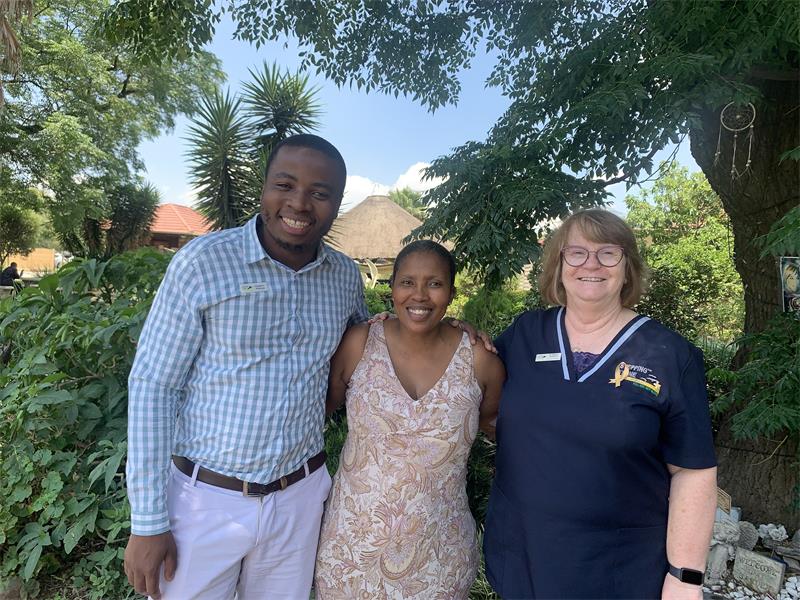
Support Teacher Empowerment Trust founder Ursula Leboso said the donation aligned with the trust’s mission and values.
“I have a soft spot for children and the elderly, so this was a natural fit. We work in the education stream, empowering teachers and students in science, technology, coding and robotics. Supporting the Stepping Stone Hospice’s move to go paperless created real synergy,” said Leboso.
The trust was established 10 years ago and is based in Krugersdorp.
The organisation continues to support initiatives aimed at creating sustainable change within communities.
“You have helped us in more ways than you will ever know,” Bollman added.