Dignity in Every Home Campaign urges fair treatment for domestic workers
The Dignity in Every Home campaign is asking employers to treat domestic workers with respect, pay them fairly and follow the law.
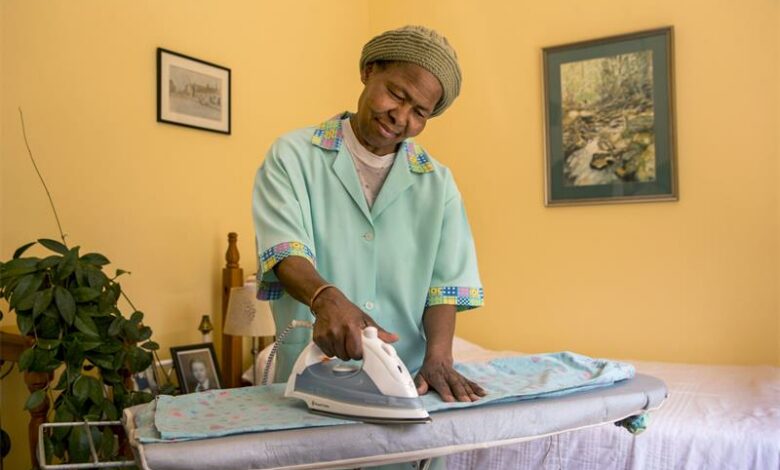
The Dignity in Every Home campaign is calling on employers of domestic workers to promote safe, fair, lawful and respectful working conditions in private households across South Africa.
The campaign aims to raise awareness of the rights of domestic workers while also guiding employers on how to create dignified, professional home-work environments. It is led by Izwi Domestic Workers Alliance, the Socio-Economic Rights Institute of South Africa, the United Domestic Workers of South Africa and the South African Domestic Service and Allied Workers Union.
The initiative seeks to change how domestic work is understood and managed. It emphasises that employing a domestic worker is not an informal arrangement, but a legal responsibility that requires compliance with labour laws.
The campaign introduces three key resources: Are You A Fair Employer?, Code of Good Conduct for Accommodating Live-In Domestic Workers and Employing a Domestic Worker – A Legal and Practical Guide.

These materials provide guidance on issues such as fair pay, working hours, leave, dismissal procedures, and mandatory registration for the Unemployment Insurance Fund (UIF) and Compensation for Occupational Injuries and Diseases (COIDA).
According to Amy Tekie, co-founder of Izwi Domestic Workers Alliance, many domestic workers face harsh realities behind closed doors. She says some workers are subjected to long working hours, low wages, and even abuse or discrimination.
“As employers, we must understand the responsibility we take on when inviting someone to work in our homes. Domestic workers deserve the same labour rights we expect from our own employers,” Tekie said.

The campaign highlights that many workers are often paid below the national minimum wage, currently set at R30.23 per hour. At this rate, a full-time domestic worker earns just over R5 200 a month, which must cover essential living costs such as transport, food, rent, and school expenses.
To support better wages, the campaign offers a Living Wage calculator on its website, helping employers determine whether they are paying enough for a worker to meet basic needs.
The campaign addresses the treatment of live-in domestic workers. It points out that some residential estates and households enforce discriminatory rules, such as restricting movement, limiting access to shared spaces, or controlling personal choices. The Code of Good Conduct sets clear standards for accommodation, privacy, and freedom, ensuring workers’ constitutional rights are respected.

The campaign also features a checklist and quiz titled: Are You a Fair Employer?, to help households assess whether they are meeting legal and ethical standards. It encourages practices such as registering workers for UIF, limiting working hours to 45 hours per week and treating workers with respect at all times.
By improving working conditions and ensuring compliance with labour laws, the campaign hopes to contribute to a more equal society for more than one million domestic workers in South Africa.
For more information and access to guidelines, community members are encouraged to visit www.dignityineveryhome.org.za