Fuel price hike strains Alberton CPF patrols
Rising fuel prices are forcing Alberton CPF patrollers to cut back on patrols and meetings, raising concerns over community safety and slower response times.
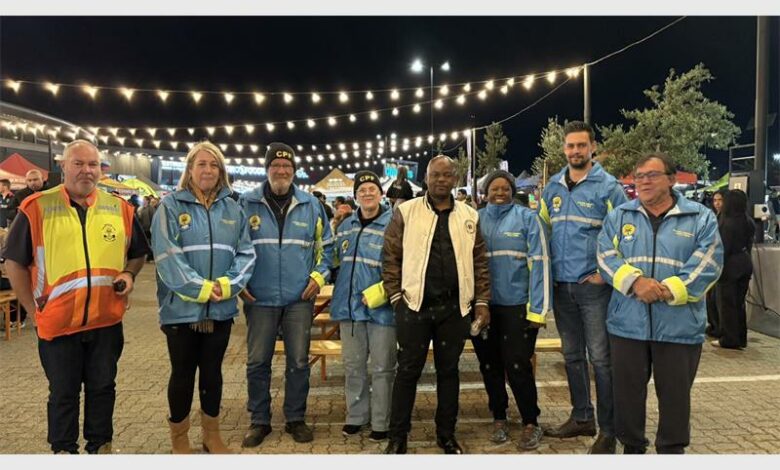
Alberton’s community safety network is facing growing pressure as a steep rise in fuel prices forces CPF patrollers to scale back their operations, raising concerns about reduced visibility and slower response times across affected neighbourhoods.
The latest fuel price adjustment, which took effect on May 6, has delivered a significant blow to motorists.
Petrol has increased by R3.27 per litre, while diesel has surged by R6.19 per litre.
Other fuels, including illuminating paraffin and LPGas, have also seen sharp increases, compounding the financial strain on households and volunteer organisations alike.
For CPF patrollers, who receive no financial compensation, these increases are particularly difficult to absorb.
Many rely on their own vehicles and personal funds to conduct patrols, attend meetings and respond to incidents.
As a result, the rising cost of fuel is now directly impacting their ability to maintain consistent coverage.
The Alberton Record spoke to a member of Alberton, Deidre de Carvalho.
She explained that the effects are already visible on the ground. Patrol frequency has declined in certain areas, and attendance at strategic planning meetings has dropped as volunteers are forced to prioritise essential personal expenses.
“Patrollers are still committed to serving their communities, but the reality is that fuel costs are becoming unaffordable. We are seeing fewer vehicles on patrol and reduced participation in coordination meetings, which inevitably affects how effectively we can operate,” she said.
The Alberton SAPS precinct spans a large and diverse area, making consistent patrol coverage essential in deterring crime and ensuring rapid response.
With fewer patrollers able to remain active, gaps are beginning to emerge, particularly in outlying or less densely populated areas.
The challenge extends beyond Alberton.
Other community safety structures are reporting similar difficulties.
Kathorus Crime Watch has also warned residents that they will scale down operations, particularly for non-urgent incidents, due to the rising cost of petrol.
The group emphasised that its members fund their activities out of their own pockets, leaving them highly vulnerable to economic pressures.
Residents have been encouraged to adapt by reporting incidents as early as possible, reserving emergency lines strictly for life-threatening situations, and remaining vigilant.
While serious incidents will continue to be prioritised, delays in responding to less urgent cases are becoming increasingly likely.
The fuel price hike is largely attributed to global factors.
The average price of Brent crude oil has risen from approximately R1 750 ($93.67) to around R1 890 ($101) per barrel during the review period, driven by ongoing geopolitical tensions, including conflict involving the United States and Iran, as well as disruptions to key supply routes such as the Strait of Hormuz.
Increased demand for diesel and constrained supply from the Persian Gulf have further pushed up prices.
Although the government has introduced a temporary reduction in the general fuel levy to provide short-term relief, the measure has not been sufficient to offset the overall increases.
Additional cost pressures, such as the implementation of the slate levy, have also contributed to higher prices at the pump.
Community leaders warn that if the situation persists, the long-term sustainability of volunteer-led policing initiatives could be at risk.
CPF structures play a vital role in supporting law enforcement, bridging gaps in resources and strengthening relationships between police and residents.
Calls are now growing for greater support from local businesses, municipal stakeholders and the broader community.
“Proposed solutions include sponsorships, fuel donations, shared transport initiatives and partnerships aimed at easing the financial burden on volunteers,” de Carvalho said.
ALSO READ: Fuel shock hits SA: Petrol up R3.27, diesel surges past R30/litre
Without such interventions, there are fears that reduced patrol activity could embolden criminal elements and reverse gains made in community safety over recent years.
Stay informed and never miss a story. Join our Joburg South WhatsApp channel for breaking news, community updates, and more: Join here.